

By Sophia Anderson
In Nashville, the conversation around mobility and public infrastructure has been gathering pace—and the “Choose How You Move” (CHYM) initiative, approved by voters, is increasingly putting real projects into motion. I’ve been following the rollout closely, and while there’s still a lot to do, there are concrete wins worth celebrating and key challenges that need attention.
What’s been achieved so far
Sidewalks, signals and safety upgrades
One of the early victories for CHYM has been closing critical sidewalk gaps. Some neighborhoods saw previously disconnected sidewalks finally connected, improving access to schools, jobs, and transit stops. Smart traffic signals are being installed across busy corridors to reduce peak commute delays. Safety features—like raised crosswalks and better protected crossings—have also begun to appear in parts of town that needed them most. These are peeks into what a walkable, connected Nashville could look like.
Service reliability and infrastructure investment
CHYM’s reach isn’t just about sidewalks. It’s investing in larger infrastructure—Complete Streets, All-Access Corridors, and transit-service enhancements. A dedicated program team, backed by a governance structure including a transportation advisory committee, is helping deliver projects efficiently and transparently.
Where gaps still show
Transit frequency, speed, and reliability
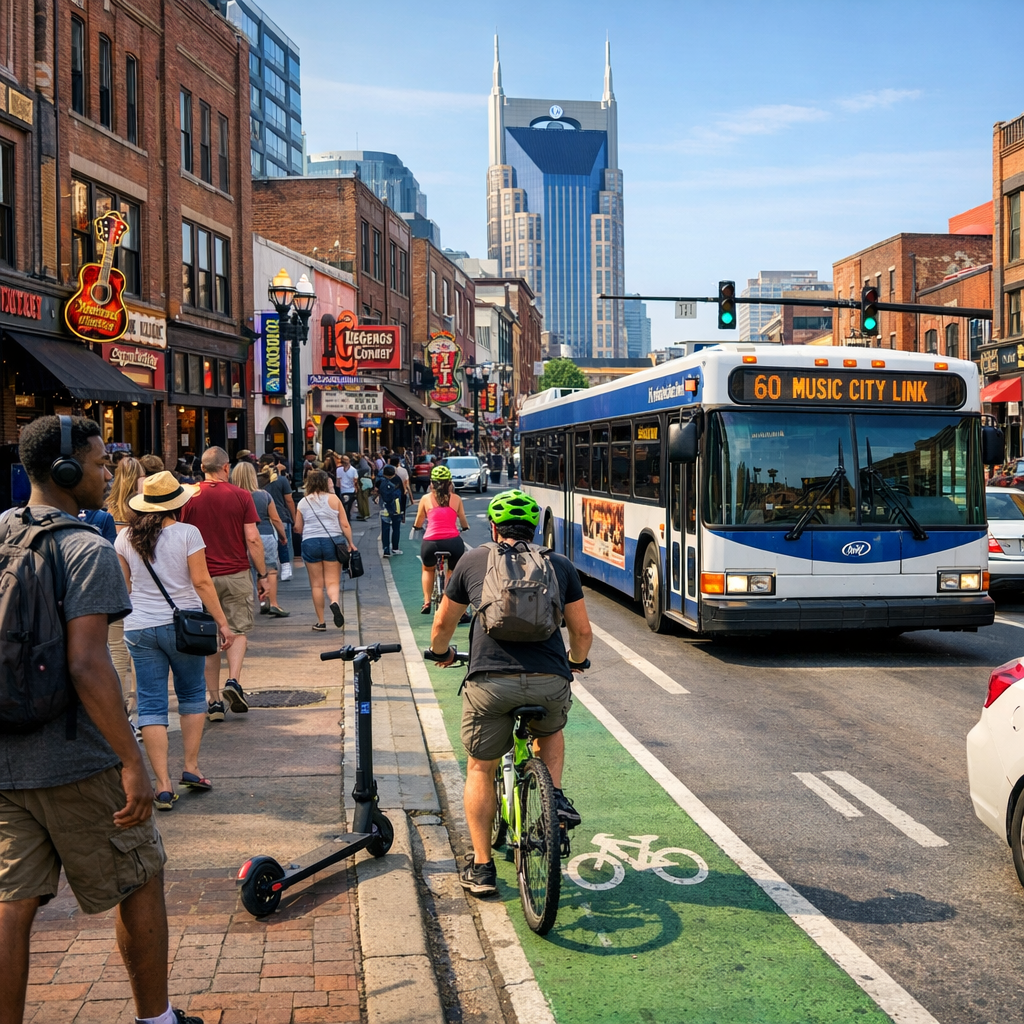
Many Nashvillians still report that buses are too infrequent and slow, especially when buses share congested roads without priority lanes. For downtown melting-pot zones where traffic snarls are common, delays interrupt reliability and make transit less competitive with driving.
Equity, access, and connections
Some underserved neighborhoods haven’t felt the improvements yet. Whether in terms of transit service hours, sidewalk access, or safety improvements, several communities still report that planned enhancements are too slow or too unevenly distributed. For people who rely on transit or walking as their only option, infrastructure gaps translate into real barriers. Area voices continue calling for better multi‐modal connections to support those who can’t drive.
What to watch in the months ahead
New legislation on data centers and zoning
City leaders are considering zoning and permit moratoriums for large data center development, alongside tighter standards for future projects. These curveballs in land use policy reflect concern about high‐energy use and community impacts, and they may shift how infrastructure funding is balanced.
Acceleration of project delivery & transparency
There’s pressure—understandably—in neighborhoods waiting for improvements. Keeping momentum will depend on enhancing project tracking, community engagement, and better communication of timelines. The City has rolled out interactive maps and dashboards to show progress, but more visibility will help sustain support.
Why we all benefit
When infrastructure investments make walking, rolling, biking, and transit reliable, every Nashvillian sees gains. Reduced traffic congestion, safer streets, cleaner air, and more equitable access to jobs and opportunities follow. Even those who mainly drive will see improvements if roads move better and fewer cars are on the street during peak times.
With Choose How You Move, Nashville is moving from promises to pavement. The path isn’t perfectly straight, but for many in our community, the direction is increasingly clear.