

By Sophia Anderson
Nashville is in the thick of implementing one of its most ambitious transportation plans in recent memory: Choose How You Move (CHYM). Approved by voters in late 2024, CHYM aims to reshape how people travel across Davidson County—from walking, rolling, or biking to using transit or driving. Here’s what’s happening now, what’s coming up, and how residents can expect the city to look and feel over the next few years.
What’s already in motion
Smart signals, sidewalks, and safety improvements
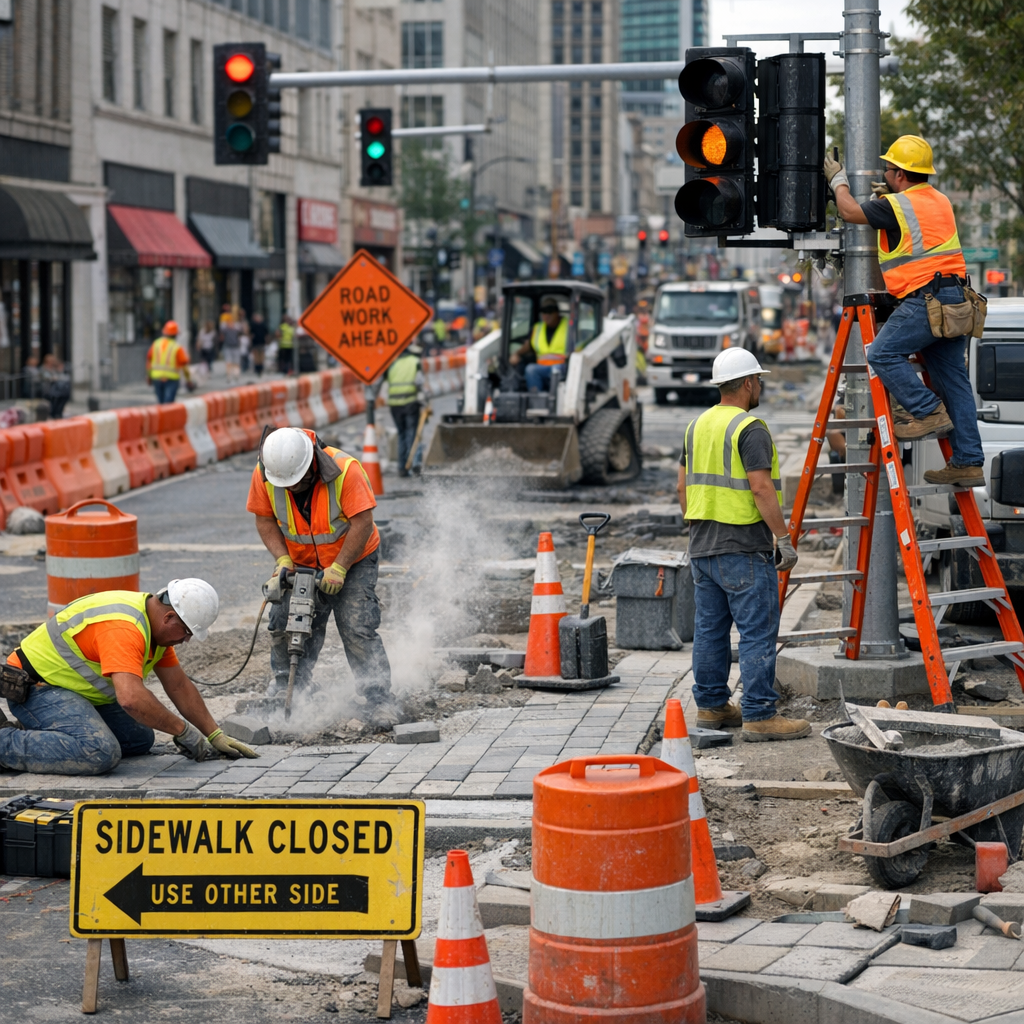
Investments are underway to modernize traffic signals on major corridors like Gallatin Pike, Hillsboro Pike, Edgehill Avenue, and others. Those are paired with expanded sidewalks, protected bike lanes, and safer crossings. These changes are part of CHYM’s “Complete Streets” and signal modernization efforts—designed to reduce delays, improve safety, and better connect neighborhoods.
Transit enhancements and All-Access corridors
Transit upgrades include the construction of new transit centers (such as Donelson) and an expanded fleet, including more paratransit vehicles. Also, All-Access Corridors focused on Nolensville Pike and Gallatin Pike/Main Street are moving through planning and design phases. These aim to integrate frequent transit, improved crossings, and more reliable transit options in the busiest travel corridors.
What’s coming next
Major capital projects on the horizon
Several large-scale efforts are in progress or entering construction. Projects listed under NDOT’s capital portfolio include Church Street’s Complete Street redesign, sidewalk enhancements along Dickerson Pike and East Thompson Lane, and intersection upgrades like Hillsboro Pike at Crestmoor Road.
Supporting growth through infrastructure
The city has allocated funds toward often overlooked systems: stormwater management is funded to handle extreme weather challenges, and the East Bank’s infrastructure (streets, utilities, layout) is being redesigned in preparation for increased development density. Emergency response systems are also being upgraded, including a new communications center.
Challenges & community impact
Affordability, equity, and preservation
As Nashville pushes forward on updates, community concerns remain strong around affordable housing, displacement, and keeping everyday travel accessible to all. Budget hearings heard requests for funding toward social housing, rental protections, and mental health response alternatives to policing.
Delivering results where they matter most
One tension point is making visible progress in historically underserved neighborhoods. Sidewalks, safer intersections, and other localized infrastructure are just as essential to improving quality of life as the major corridors. CHYM plans signal-upgrades, “quick build” pedestrian safety fixes, and intersection improvements in a range of neighborhoods.
What residents can do
- Track NDOT’s project map and attend public hearings or community feedback sessions—these are especially frequent when major corridor or sidewalk projects are being designed.
- Report issues like unsafe crossings or signal malfunctions through Metro’s 311 or department websites—localized reports often help prioritize smaller but urgent fixes.
- Stay informed about the budget process. Since CHYM depends on voter-approved tax revenues, budget cycles affect when funds get distributed to projects.
- Engage with local council members or neighborhood associations to push for equity in which areas get improvements first, and to serve broader community priorities.
Choose How You Move is more than a plan—it’s Nashville growing thoughtfully. The visible signs may be new sidewalks, smarter signals, or safer crossings, but what residents are building together is a more connected and livable city.