

By William Thompson
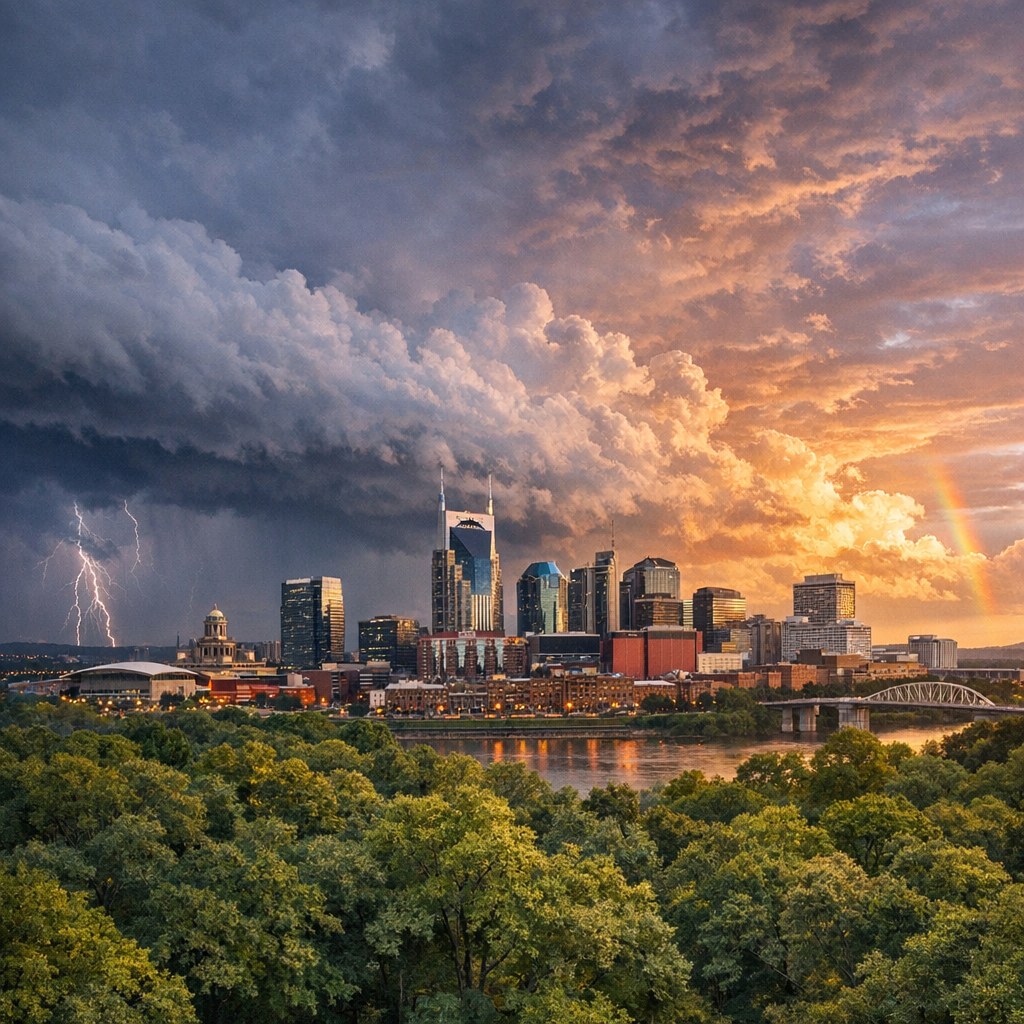
The climate in Nashville isn’t what it used to be. As seasonal patterns shift, heat waves grow more intense, and development presses into natural areas, we all feel the effects in daily life. But local plans are underway to help the city adapt and protect what makes it special.
Shifting Seasons: What’s Changing
Over the past few decades, spring is getting warmer earlier. Bloom times are arriving sooner, and allergy seasons stretching out. Summer heat waves are more frequent and longer, stressing power, health, and comfort. Winters have softened—days with freezing lows are fewer, though sudden cold snaps still catch residents off guard. Precipitation patterns are shifting too, with heavier storms in some months and longer dry spells in others. These trends match statewide projections that suggest modest temperature increases in all seasons and more rainfall variability.
Environmental Impacts for Nashville’s Ecosystems
Forests, Streams, and Wildlife
Trees and forests near town provide much-needed cooling and stormwater buffering, but extreme heat, drought, and heavy rain can damage sensitive species, shift growing seasons, and disrupt habitat. Aquatic ecosystems are especially vulnerable—flash floods or higher runoff can lead to erosion and poorer water quality.
Air Quality and Human Health
Warmer days increase ground-level ozone formation, especially during the traditional ozone season from early spring through fall. Fine particles (PM2.5) remain a concern year-round, especially during dry months, wildfires in the region, or after heavy pollution events. Nashville’s air quality forecasts provide color-coded warnings to help sensitive groups make choices about outdoor activity.
Planning for Resilience: How Nashville is Responding
To stay ahead of the climate curve, Metro Nashville is pursuing multiple strategies:
- Climate Adaptation & Resilience Plan: A citywide roadmap to anticipate hazards like heat waves, storms, and flooding, evaluate vulnerabilities, and guide future infrastructure and policy investment.
- Ecological Conservation Strategy: An effort to protect green space—forests, waterways, ridge lines—while managing urban growth in ways that preserve landscape connectivity and equitable access to natural areas.
- Sustainability Initiatives: Programs aimed at reducing the city’s carbon footprint, improving walkability, boosting tree canopy, and strengthening public health responses for extreme weather.
What You Can Do
Residents play an important role in helping Nashville build climate resilience:
- Plant and protect trees in your yard or neighborhood to shade homes and reduce heat islands.
- Choose native plants—they tend to be more resilient to changing rainfall and pests.
- Track daily air quality and avoid outdoor workouts when the index is unhealthy.
- Support local policies that protect open space and invest in green infrastructure—things like rain gardens, permeable pavements, and stormwater control.
The seasons will continue to change, but with thoughtful planning and everyday effort, Nashville can adapt. Taking steps now helps protect our health, our landscapes, and our way of life for years to come.