

Nashville’s dedication to environmental stewardship is evident through a series of initiatives aimed at preserving natural resources and promoting sustainability. These efforts encompass park expansions, sustainability programs, and active community engagement.
Expanding Green Spaces
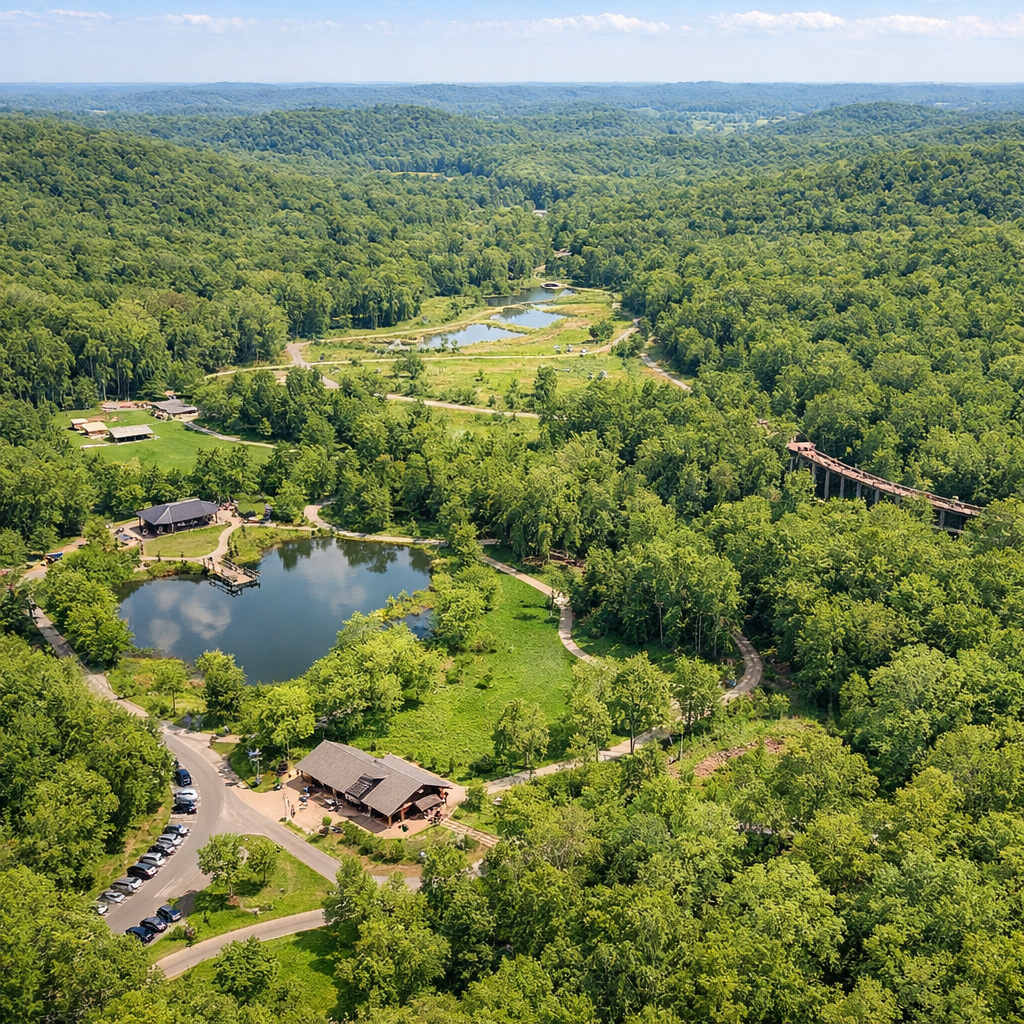
In a significant move to enhance urban green spaces, Metro Nashville recently acquired 300 acres of forest to expand Beaman Park. This acquisition, finalized on July 10 for $3.2 million, marks one of the largest land preservation deals in the city’s history. Mayor Freddie O’Connell emphasized the ecological value of the forest, highlighting its role in climate resilience, water purification, and air quality. Beaman Park, known for its untouched wilderness and proximity to downtown Nashville, was originally established in 1996 with support from donor Sally Beaman. The recent expansion is seen as a major conservation success, particularly for the Highland Rim Forest, a critical ecosystem in the Southeast.
Investing in Parks and Greenways
Metro Parks has updated its “Plan to Play” document, serving as a framework for evaluating Nashville’s investment in its parks system. Initially launched in 2017, the plan has been revised to reflect current conditions, including a significant deferred maintenance backlog of $127.6 million as of 2025. It offers three tiered funding options:
- Tier 1: Focuses on flat funding to stabilize maintenance and deliver on previously promised projects.
- Tier 2: Includes new investments to keep pace with population growth while addressing maintenance.
- Tier 3: Aims to realize the broader, more aspirational goals set out in the original 2017 plan.
Mayor O’Connell highlights the plan as a strategic tool to guide community discussions and track progress versus peer cities. Since taking office, he has reduced maintenance debt and opened new parks in underserved neighborhoods like Mariposa Park. The Plan to Play update is positioned to engage the public and local leaders in decision-making around sustainable investment in Nashville’s beloved parks.
Community Engagement and Education
Organizations like Urban Green Lab play a pivotal role in educating communities on sustainable living. As a 501(c)(3) nonprofit, Urban Green Lab teaches communities how to live sustainably in Nashville and its surrounding counties. They envision a Nashville where everyone has access to opportunities for learning about sustainable living.
Additionally, the Nashville Earth Day festival, managed by the Centennial Park Conservancy since 2020, has donated a total of $208,000 to support environmental initiatives across the city. These funds have been used to underwrite local environmental projects via a grant program primarily focused on bees, trees, water, pollinator gardens, sustainability, and education.
Climate Resilience and Sustainability
Metro Nashville is actively working to enhance climate resilience by preparing and adapting communities, built assets, systems, and the environment to withstand severe weather. This includes initiatives to decarbonize the electrical grid, improve energy efficiency, and promote sustainable practices across the city.
Furthermore, the city has established formal targets for climate action, such as transitioning the metro general government fleet to 100% zero emissions by 2050 and developing a strategic energy management plan to reduce energy and water use across metro-owned buildings.
Through these concerted efforts, Nashville continues to demonstrate a strong commitment to environmental stewardship, ensuring a sustainable and resilient future for its residents.