

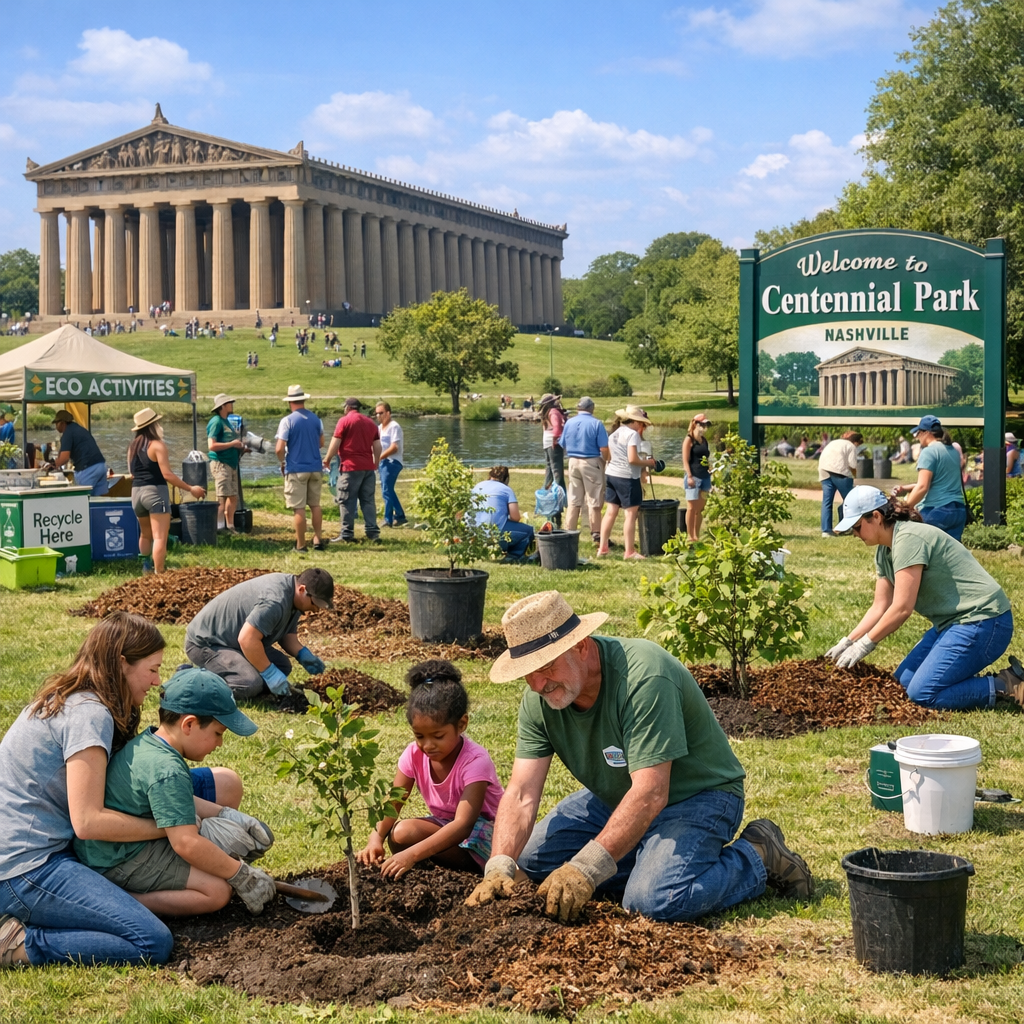
Nashville is actively pursuing environmental sustainability through a combination of government initiatives, community programs, and educational efforts. These endeavors aim to preserve the city’s natural resources, reduce its environmental footprint, and enhance the quality of life for its residents.
Government Initiatives
The Mayor’s Office has established a comprehensive approach to sustainability, focusing on three key areas:
- Sustainability: Implementing practices to minimize resource consumption and ensure future generations thrive.
- Resilience: Preparing communities and infrastructure to withstand severe weather events.
- Environmental Stewardship: Protecting and expanding green spaces, tree canopies, and waterways.
These efforts are guided by the 2021 Climate Action Plan, which sets aggressive goals for reducing greenhouse gas emissions and promoting sustainable growth.
Community Programs
Organizations like Urban Green Lab play a pivotal role in educating communities on sustainable living. Their programs have reached nearly half of Davidson County’s zip codes, training educators and engaging organizations to promote environmental stewardship.
Additionally, the Nashville Earth Day festival, managed by the Centennial Park Conservancy, has become a significant event promoting environmental awareness. Since 2020, proceeds from the festival have funded various environmental projects, including the planting of over 380 trees in local parks and schools.
Educational Efforts
Metro Nashville Public Schools (MNPS) are committed to sustainability through initiatives like the MNPS Energy Program. This program has achieved a 20% annual reduction in energy consumption and incorporates energy-efficient designs in new buildings, aiming for LEED Silver or Gold certifications.
Furthermore, the Nashville Public Library’s Donelson Branch exemplifies green building practices. Opened in June 2024, the facility earned LEED Gold Certification, featuring geothermal wells, solar power, and native landscaping.
Challenges and Future Directions
Despite these efforts, challenges remain. The Nashville Zoo recently opposed the construction of a large data center adjacent to its grounds, citing concerns over potential threats to animal welfare and environmental impact. This situation underscores the need for careful consideration of development projects in relation to environmental conservation.
Looking ahead, the city is developing the Ecological Conservation Strategy, a countywide plan to balance growth with the preservation of natural landscapes and ecosystems. This 18-month initiative aims to assess the health of natural resources and develop actionable plans for conservation.
Nashville’s commitment to environmental sustainability is evident through its multifaceted approach, involving government policies, community engagement, and educational initiatives. Continued collaboration and innovation will be essential in addressing future environmental challenges and ensuring a sustainable future for the city.