

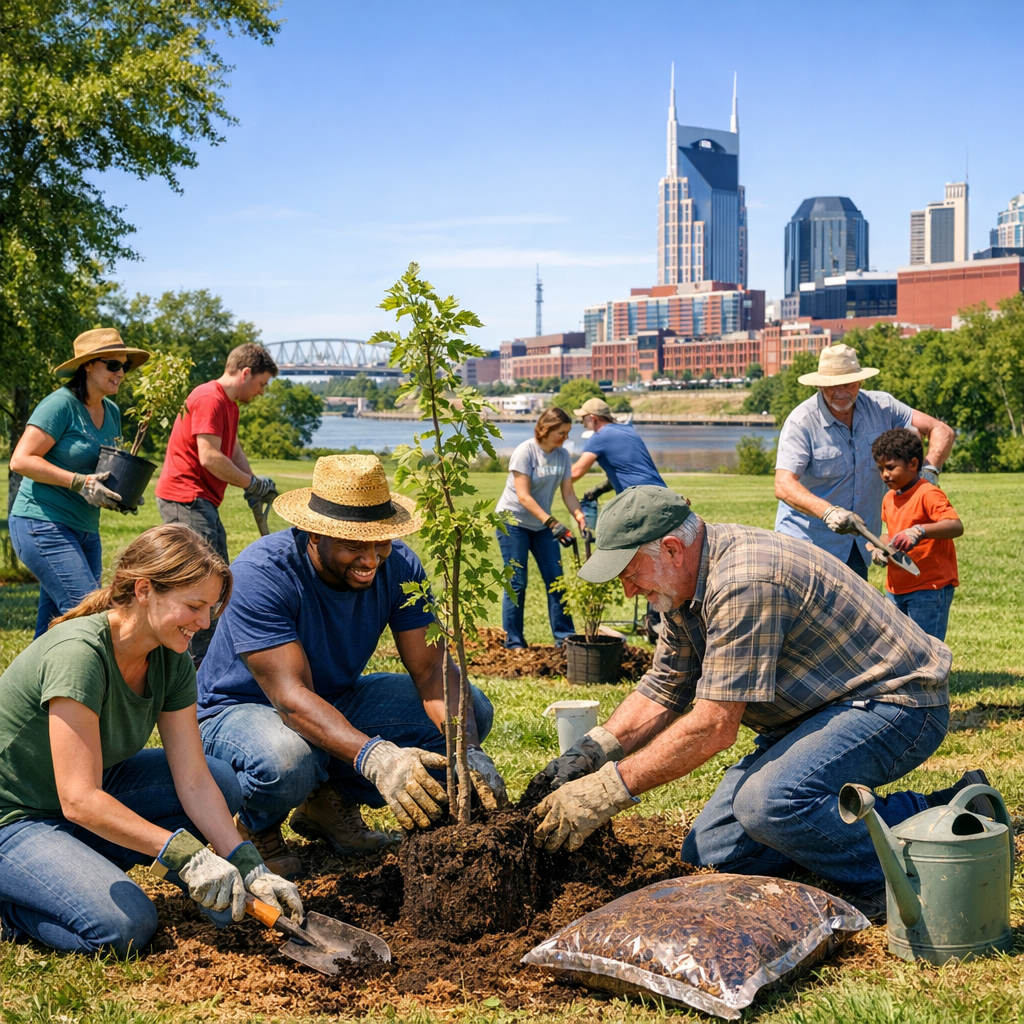
Nashville’s dedication to environmental sustainability is evident through various community-driven initiatives and city-led programs. These efforts aim to preserve the city’s natural resources, promote sustainable practices, and enhance the quality of life for all residents.
City-Led Sustainability Initiatives
The Mayor’s Office has outlined a comprehensive approach to sustainability, focusing on equitable growth, resource conservation, and climate change mitigation. Key initiatives include:
- Fleet Electrification Program: Aiming for a 100% zero-emissions Metro government fleet by 2050, excluding emergency response vehicles.
- Strategic Energy Management Plan: Developing strategies to reduce energy and water usage across Metro-owned buildings.
Additionally, the city has launched the Ecological Conservation Strategy to balance urban development with the preservation of natural landscapes, ecosystems, and the unique character of Nashville. This plan involves assessing the health of natural resources and formulating action plans that may include conservation priorities and policy recommendations.
Community Engagement and Education
Nonprofit organizations play a crucial role in promoting sustainability within the community. Urban Green Lab, for instance, educates residents on sustainable living practices, reaching nearly half of Davidson County’s zip codes and training hundreds of educators in sustainability education.
Furthermore, the Metropolitan Nashville Public Schools (MNPS) have implemented several green initiatives, such as:
- Energy Efficiency Programs: Achieving a 20% annual reduction in energy consumption over three years.
- Green Infrastructure Projects: Installing green roofs and solar energy systems in various schools to promote energy efficiency and provide unique learning environments.
Environmental Stewardship and Community Projects
The Centennial Park Conservancy has been instrumental in supporting local environmental projects. Since 2020, proceeds from the Nashville Earth Day festival have funded initiatives like tree planting in multiple parks and the introduction of bee hives to promote pollination and biodiversity.
In 2025, the Conservancy awarded $48,000 in grants to 17 organizations, underscoring its commitment to grassroots environmental programs. These projects range from planting trees to establishing pollinator gardens, all contributing to the city’s sustainability goals.
Zero Waste and Recycling Efforts
Nashville is also striving for zero waste by implementing a Solid Waste Master Plan aimed at diverting 90% of waste from landfills through reduction, reuse, recycling, and composting. This plan emphasizes increasing recycling programs, reducing food waste, and strengthening public education on sustainable waste management practices.
Corporate partnerships further bolster these efforts. For example, Coca-Cola Consolidated has introduced the “Refresh. Recycle. Renew.” initiative, collaborating with local organizations to enhance recycling accessibility and promote a circular economy.
Looking Ahead
As Nashville continues to grow, the collective efforts of city officials, nonprofit organizations, educational institutions, and residents are vital in fostering a sustainable and resilient community. By embracing these initiatives, Nashville sets a commendable example of environmental stewardship for other cities to follow.