

In recent months, Nashville has become a focal point for discussions surrounding the development of data centers within city limits. These facilities, essential for housing vast amounts of digital information, have raised questions about their placement and the broader implications for the community.
Proposed Data Centers Near Key Landmarks
Two significant proposals have drawn public attention:
- Near the Nashville Zoo: A data center project adjacent to the Nashville Zoo has faced opposition from both the community and local officials. Concerns center on potential disruptions to the zoo’s environment and the surrounding residential areas. In response, Mayor Freddie O’Connell has initiated steps to potentially acquire the land through eminent domain, aiming to halt the project’s progression.
- At Fisk University: Another proposed data center at Fisk University has also been met with apprehension. The university community and local residents have expressed worries about the facility’s impact on the historic campus and its neighborhood.
Legislative Actions and Community Response
In light of these developments, the Metro Council has taken proactive measures. A temporary moratorium on new data center approvals has been proposed, allowing time to assess the potential effects of such facilities on Nashville’s urban landscape. This pause aims to ensure that future developments align with the city’s growth plans and community interests.
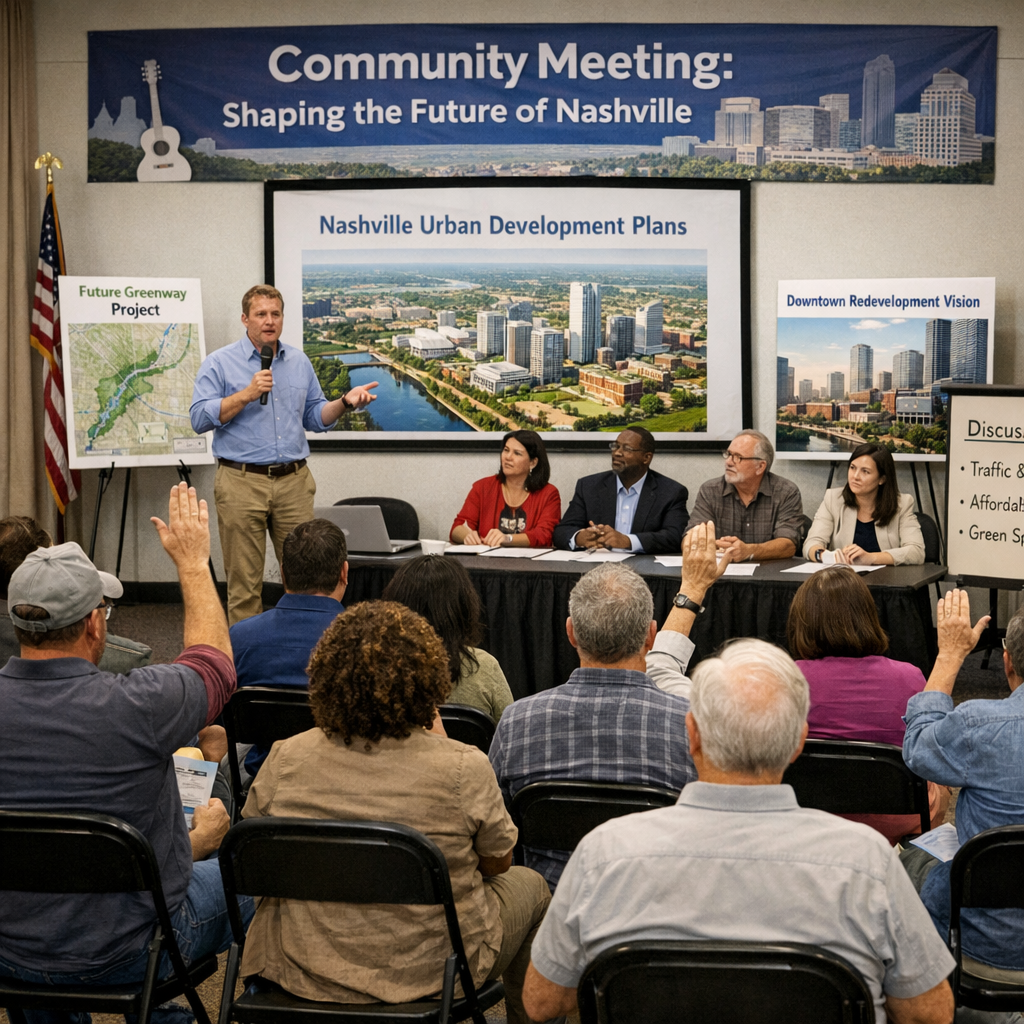
Community members have actively participated in discussions, emphasizing the need for thoughtful consideration of data center locations. The balance between technological advancement and preserving Nashville’s cultural and environmental integrity remains a central theme in these conversations.
Looking Ahead
As Nashville continues to evolve as a hub for technology and innovation, the city faces the challenge of integrating modern infrastructure without compromising its unique character. Ongoing dialogues between developers, city officials, and residents will be crucial in shaping a future that honors both progress and heritage.