

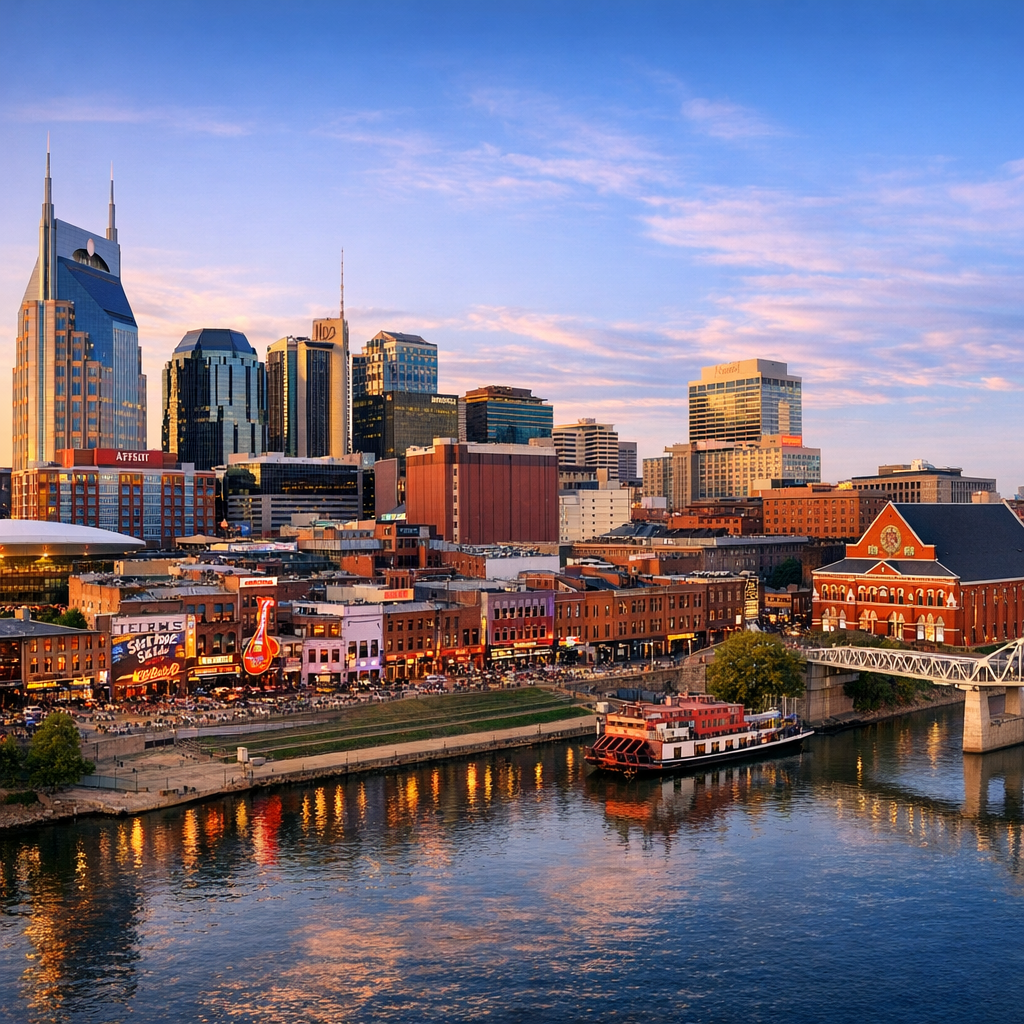
Nashville, long celebrated as the heart of country music, has undergone a remarkable transformation into a burgeoning business hub. This evolution is marked by significant population growth, economic diversification, and strategic investments that have reshaped the city’s identity.
Population Growth and Economic Impact
In recent years, Nashville has experienced substantial population increases. In 2025, Davidson County added nearly 9,300 residents, leading Tennessee’s counties in growth. This surge has brought both challenges and opportunities, including rising home prices, increased traffic, and a vibrant job market.
Educational Attainment and Income
Education plays a pivotal role in Nashville’s economic landscape. Data from 2024 indicates that adults aged 25 or older without a college education earned a median income of $41,393. This underscores the importance of higher education in achieving economic prosperity. Programs like Tennessee Reconnect aim to bridge this gap by offering tuition-free community or technical college education to residents aged 25 and older.
Housing Market Dynamics
The COVID-19 pandemic significantly impacted Nashville’s housing market. Historically low borrowing costs and the rise of remote work led to a homebuying boom, causing home prices to soar. Middle Tennessee, in particular, saw sharp price increases, making homeownership less attainable for many residents.
Infrastructure and Transportation Initiatives
To address the challenges of rapid growth, Nashville launched the ‘Choose How You Move’ program. By October 2025, the city announced $104 million in funding for transit projects, including sidewalk improvements, smart traffic signals, and enhancements to public transportation. These initiatives aim to improve mobility and accommodate the city’s expanding population.
Major Events and Economic Projections
Looking ahead, Nashville is set to host Super Bowl LXIV in 2030. The city plans to invest $60 million into the event, anticipating a significant return on investment. Projections estimate $386 million in direct spending and a total economic impact of $706 million. While such events promise substantial economic benefits, some economists caution that actual returns may vary.
Conclusion
Nashville’s journey from a music-centric city to a multifaceted economic powerhouse reflects its adaptability and forward-thinking strategies. As the city continues to grow and diversify, it remains a compelling example of urban transformation in the United States.