

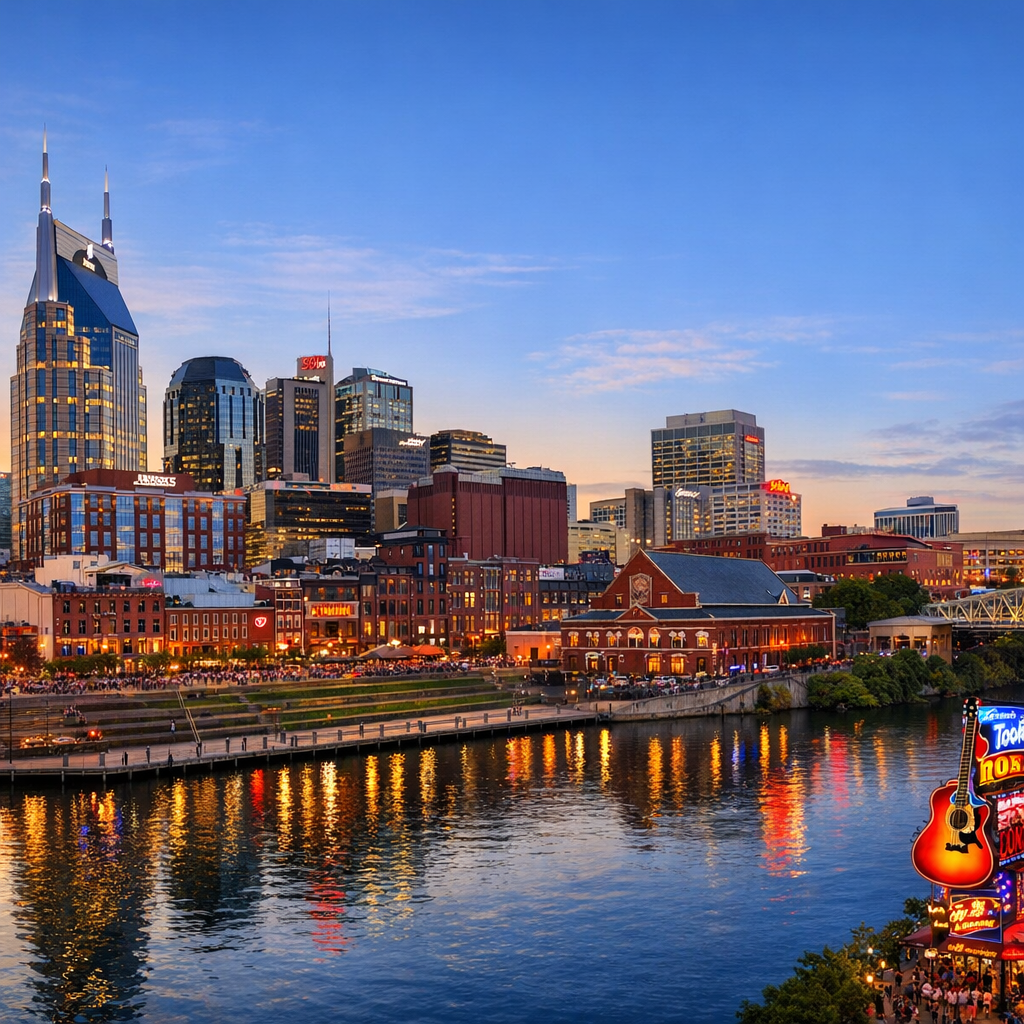
Nashville, long celebrated as the heart of country music, has undergone a remarkable transformation into a burgeoning business hub. This evolution is marked by significant population growth, economic diversification, and strategic investments that have reshaped the city’s identity.
Population Growth and Economic Impact
Between 2020 and 2024, the Nashville metropolitan area experienced a population increase of over 136,000 residents, a 6.4% growth rate that outpaces the national average. This surge is largely attributed to domestic migration, as individuals and families are drawn to the city’s vibrant economy and quality of life.
Vanderbilt University and Vanderbilt University Medical Center have been pivotal in this economic expansion. Together, they contributed approximately $22.13 billion to Tennessee’s economy between 2019 and 2024, underscoring their role as major economic drivers and community partners.
Infrastructure and Development
To accommodate and sustain this growth, Nashville has embarked on substantial infrastructure projects. The ‘Choose How You Move’ initiative, launched in 2025, allocated $104 million toward transit improvements, including sidewalk enhancements, smart traffic signals, and expanded public transportation options. These efforts aim to improve mobility and support the city’s expanding population.
Tourism and Major Events
Tourism remains a cornerstone of Nashville’s economy. The city is preparing to host Super Bowl LXIV in 2030, with an anticipated investment of $60 million. Projections suggest this event could generate $386 million in direct spending and a total economic impact of $706 million, highlighting the city’s capacity to host large-scale events and attract global attention.
Challenges and Considerations
Despite these positive developments, Nashville faces challenges. The housing market has become increasingly competitive, with home prices rising sharply due to high demand and limited supply. Additionally, while the city has seen a decline in violent crime rates, discussions around public safety and resource allocation continue to be pertinent.
In conclusion, Nashville’s journey from a music-centric city to a dynamic business hub reflects its adaptability and strategic vision. By leveraging its cultural heritage while embracing economic diversification and infrastructure development, Nashville stands as a model for cities navigating growth and transformation.