

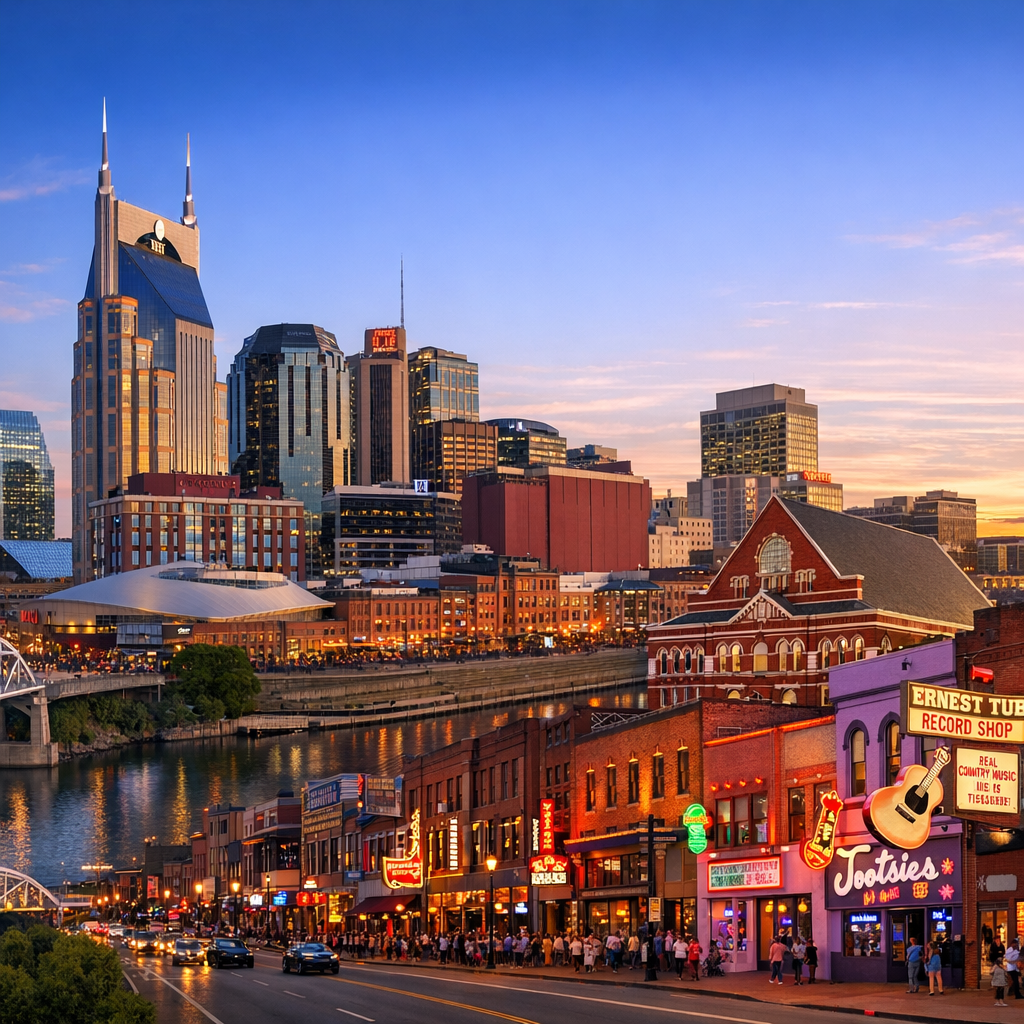
Nashville, long celebrated as the heart of country music, has undergone a remarkable transformation into a dynamic business hub. This evolution mirrors broader national economic trends and underscores the city’s adaptability and resilience.
Population Growth and Economic Expansion
In recent years, Nashville has experienced significant population growth, with Davidson County adding nearly 9,300 residents in 2025 alone. This surge has been driven by domestic migration and a burgeoning job market, particularly in sectors like healthcare and technology. The influx of new residents has spurred demand for housing, services, and infrastructure, contributing to the city’s economic vitality.
Educational Attainment and Income Levels
Data indicates a strong correlation between higher education and income levels in Nashville. Adults aged 25 or older without a college degree earned a median income of $41,393, highlighting the economic advantages of higher education. Initiatives like Tennessee Reconnect aim to make college more accessible, offering tuition-free community or technical college education to residents aged 25 and older. Such programs are crucial in equipping the workforce with skills aligned with the evolving job market.
Impact of National Policies on Local Economy
National policies, including trade tariffs and immigration enforcement, have had tangible effects on Nashville’s economy. For instance, trade tensions with Canada have led to a decline in Canadian visitors, impacting the tourism sector. Additionally, federal immigration crackdowns have prompted local leaders to establish support funds for affected communities, reflecting the city’s commitment to inclusivity and economic stability.
Infrastructure and Transportation Initiatives
To accommodate its growing population and economic activity, Nashville has invested in infrastructure and transportation. The ‘Choose How You Move’ program, initiated in 2025, allocated $104 million for transit projects, including sidewalk improvements, smart traffic signals, and enhanced public transportation options. These efforts aim to improve mobility, reduce congestion, and support sustainable growth.
Conclusion
Nashville’s journey from a music-centric city to a thriving business hub exemplifies the interplay between local initiatives and national trends. By investing in education, infrastructure, and inclusive policies, Nashville continues to position itself as a vibrant and resilient city, ready to meet the challenges and opportunities of the future.