

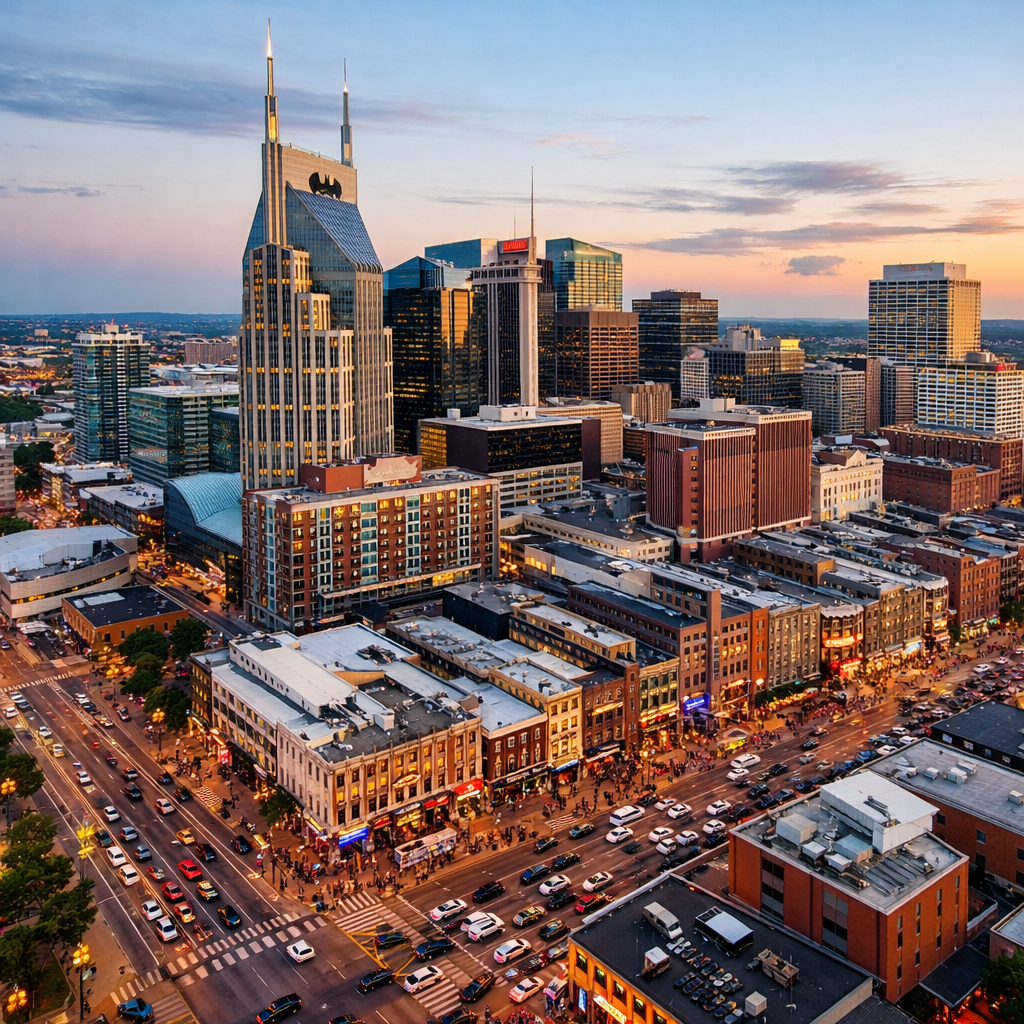
Nashville, long celebrated as the heart of country music, has evolved into a dynamic economic hub, reflecting broader national trends while carving out its unique path. This transformation is evident in various sectors, from population growth to education and housing.
Population Growth and Migration
In recent years, Nashville has experienced significant population growth, positioning itself as a focal point in Tennessee’s demographic expansion. This surge is largely driven by domestic migration, with individuals and families relocating from other states, attracted by the city’s vibrant culture and economic opportunities. However, international migration, which once played a substantial role, has seen a decline due to changes in national immigration policies. This shift underscores the intricate relationship between federal decisions and local demographic patterns.
Education and Income Disparities
The value of higher education remains a pertinent topic both nationally and locally. In Nashville, data indicates a clear correlation between educational attainment and income levels. Adults with college degrees consistently out-earn their peers without such qualifications. This trend highlights the ongoing importance of accessible higher education, especially as national debates question its value amidst rising tuition costs and student debt concerns.
Housing Market Dynamics
The housing market in Nashville has undergone significant changes, mirroring national patterns influenced by the COVID-19 pandemic. Historically low interest rates and the rise of remote work have fueled a homebuying boom, leading to soaring home prices. This surge has made homeownership increasingly challenging for many residents, prompting a shift towards suburban areas in search of affordability. These developments reflect broader national real estate trends and the complex interplay between economic policies and local housing markets.
Economic Contributions and Future Prospects
Institutions like Vanderbilt University and Vanderbilt University Medical Center have been instrumental in Nashville’s economic landscape. Together, they have contributed over $22 billion to the local and state economies, underscoring the significant role of educational and medical institutions in regional development. Looking ahead, Nashville’s plans to host major events, such as the Super Bowl, signal a commitment to leveraging national platforms for local economic growth. While projections are optimistic, it’s essential to approach such forecasts with caution, considering the varying outcomes of similar events in other cities.
In conclusion, Nashville’s economic trajectory offers a microcosm of national trends, illustrating how federal policies and global events resonate at the local level. As the city continues to navigate these dynamics, it remains a testament to resilience and adaptability in an ever-evolving economic landscape.