

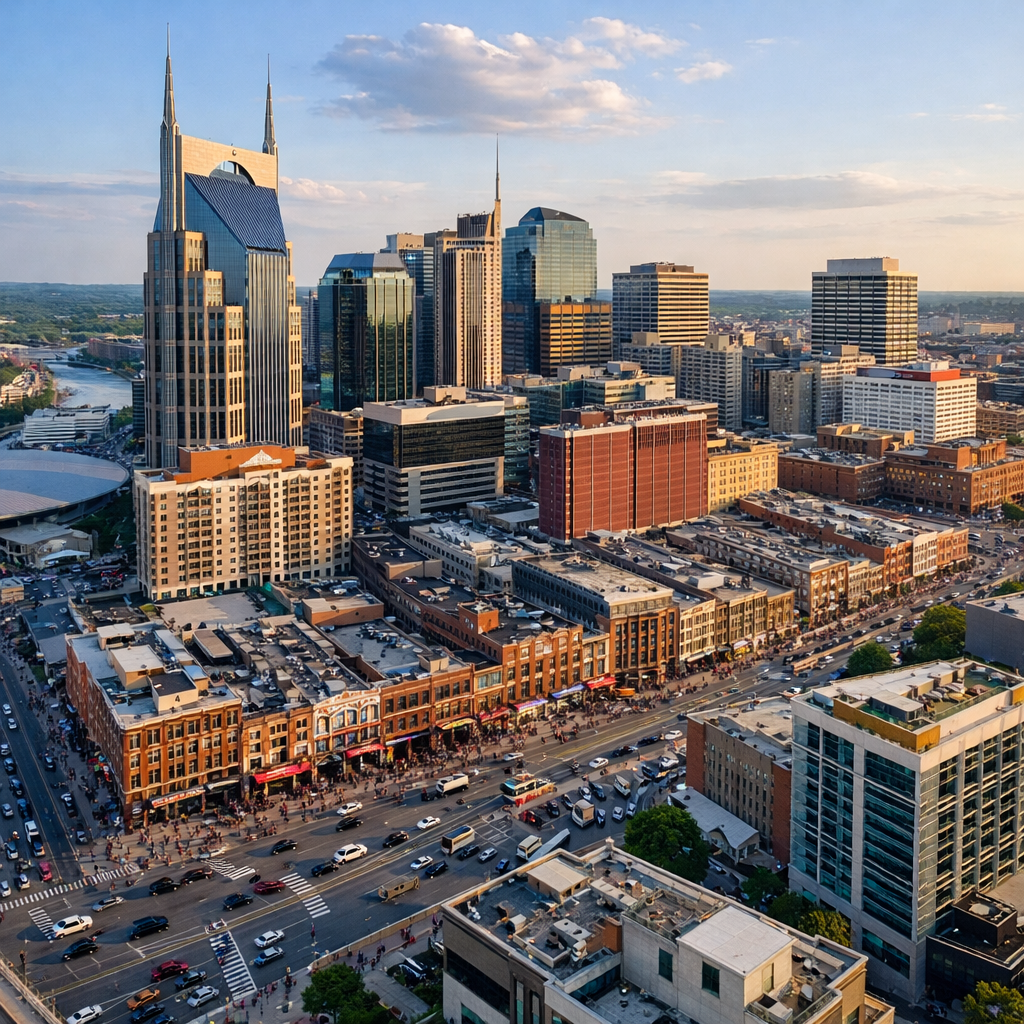
Nashville’s economic landscape has undergone significant transformation in recent years, reflecting broader national trends. The city’s rapid growth, driven by population increases and substantial investments, positions it as a focal point in the U.S. economic narrative.
Population Growth and Economic Implications
In 2025, Davidson County led Tennessee’s population growth, adding nearly 9,300 residents—the highest among the state’s 95 counties. This surge underscores challenges such as rising home prices, increased traffic, and higher tax bills, while also presenting opportunities in innovation and job creation. Notably, domestic migration from other states continues to fuel this expansion, aligning with national patterns of urbanization and economic concentration in metropolitan areas.
Educational Attainment and Income Disparities
Data from 2024 reveals a strong correlation between higher education and income levels in Nashville. Adults aged 25 or older without a college degree earned a median income of $41,393, highlighting the wage gap between high school graduates and those with higher education. This trend mirrors national discussions on the value of higher education and its impact on economic mobility.
Institutional Contributions to Economic Development
Vanderbilt University and Vanderbilt University Medical Center have been pivotal in Nashville’s economic development. Between 2019 and 2024, these institutions contributed $22.13 billion to the city’s and state’s economies. As the largest private employer in the Nashville area, Vanderbilt’s influence extends beyond academia, shaping the region’s economic and social fabric.
Housing Market Dynamics
The COVID-19 pandemic significantly reshaped Nashville’s housing market, leading to soaring home prices due to low borrowing costs and the rise of remote work. This trend, observed nationally, has made homeownership increasingly unattainable for many residents, prompting shifts toward suburban and exurban areas in search of affordability.
Climate Challenges and Urban Resilience
Extreme heat events have become more frequent in Nashville, with heat advisories becoming commonplace. These conditions are part of a broader national trend linked to climate change, emphasizing the need for urban resilience strategies to protect vulnerable populations and infrastructure.
Immigration Policies and Community Responses
Following federal immigration enforcement operations targeting predominantly Hispanic neighborhoods, Nashville leaders established a fund to support affected immigrant communities. This local response reflects national debates on immigration policies and their social implications.
Looking Ahead
Nashville’s economic trajectory offers valuable insights into national trends. The city’s experiences with population growth, education, institutional influence, housing dynamics, climate challenges, and immigration policies provide a microcosm of the broader U.S. economic landscape. As Nashville continues to evolve, it serves as a case study for understanding and addressing the complexities of modern urban development.