

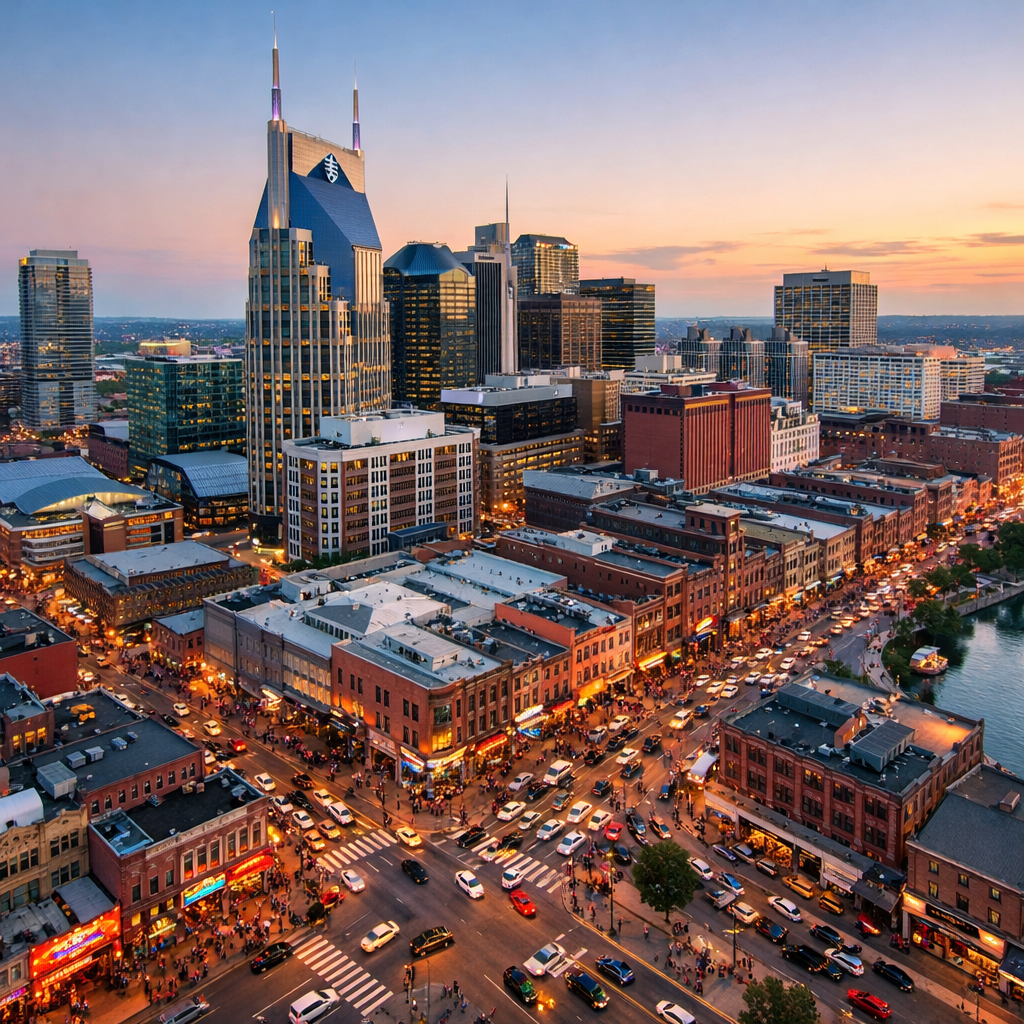
Nashville’s economic trajectory offers a compelling reflection of broader national trends, underscoring the city’s integral role in the U.S. economy.
Population Growth and Economic Implications
In recent years, Nashville has experienced significant population growth, positioning it as a key driver of Tennessee’s demographic expansion. This surge has brought both challenges and opportunities, including rising home prices, increased traffic congestion, and a dynamic job market. Such patterns are emblematic of urban centers nationwide, where rapid growth necessitates strategic planning to balance development with quality of life.
Educational Attainment and Income Disparities
Data indicates a strong correlation between higher education and income levels in Nashville. Adults without a college degree earn a median income notably lower than their degreed counterparts. This trend mirrors national discussions on the value of higher education and the economic disparities linked to educational attainment. Initiatives like Tennessee Reconnect aim to bridge this gap by providing tuition-free community college education to residents aged 25 and older, reflecting a broader movement to enhance workforce competitiveness through education.
Housing Market Dynamics
The COVID-19 pandemic reshaped Nashville’s housing market, leading to soaring home prices driven by low interest rates and the rise of remote work. This phenomenon is not unique to Nashville; cities across the country have witnessed similar trends, prompting debates on housing affordability and urban planning.
Climate Challenges and Urban Resilience
Extreme weather events, such as heatwaves and flooding, have tested Nashville’s infrastructure and emergency response systems. These incidents highlight the city’s vulnerability to climate change—a challenge faced by many urban areas nationwide. Developing resilient infrastructure and effective emergency management strategies is crucial for mitigating the impacts of such events.
Immigration Policies and Community Response
Recent immigration enforcement operations in Nashville have sparked community initiatives to support affected residents. The establishment of funds to assist immigrant communities reflects a broader national discourse on immigration policies and their local implications. Nashville’s proactive approach underscores the importance of community solidarity in addressing complex social issues.
In summary, Nashville’s economic and social developments serve as a microcosm of national trends, offering valuable insights into the challenges and opportunities facing urban centers across the United States.