

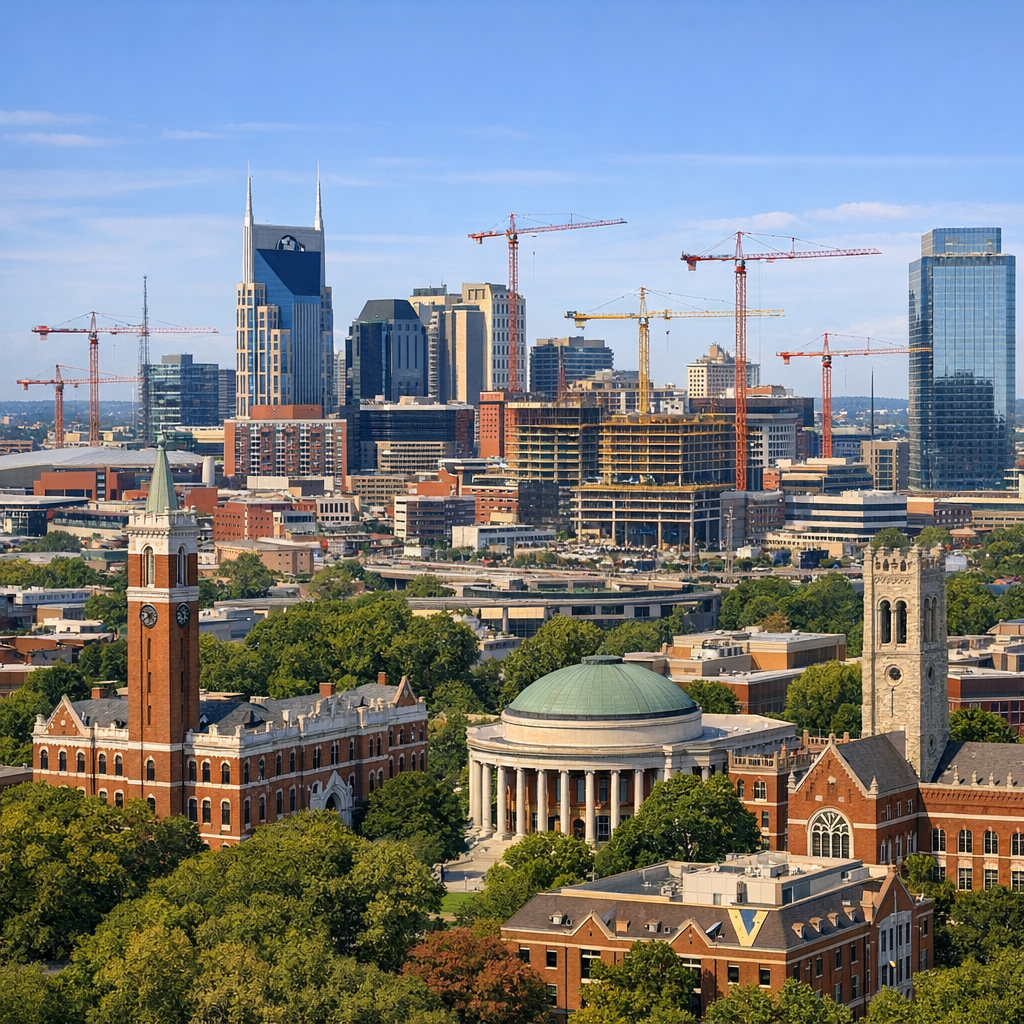
Nashville continues to demonstrate economic resilience and growth, even as the nation faces various challenges. A key contributor to this prosperity is Vanderbilt University and Vanderbilt University Medical Center, which have collectively infused $22.13 billion into Tennessee’s economy since 2019. As the largest private employer in the Nashville area, Vanderbilt’s impact extends beyond employment, encompassing substantial investments in construction, community initiatives, and healthcare services.
Looking ahead, Nashville is set to host Super Bowl LXIV in 2030, an event anticipated to generate significant economic benefits. The city plans to invest $60 million into the event, expecting a return that surpasses any previous event hosted. This investment is primarily sourced from tourism-related tax revenue and public-private partnerships. While projections estimate $386 million in direct spending and a total economic impact of $706 million, some economists caution that such forecasts may not always materialize as expected.
Despite these positive developments, Nashville has not been immune to national challenges. The city experienced severe winter storms in early 2026, leading to widespread power outages and a federal disaster declaration. Over 260,000 residents were without power at the peak of the storm, highlighting the need for robust infrastructure and emergency preparedness.
In the realm of public safety, U.S. Representative Andy Ogles called for the deployment of the National Guard to Nashville in 2025, citing concerns over violent crime. However, data indicated a decline in violent crime rates during that period, suggesting that the city’s existing measures were effectively addressing safety concerns.
Furthermore, Nashville’s housing market has undergone significant transformations since the COVID-19 pandemic. Home prices have surged, driven by low borrowing costs and the rise of remote work. This trend has made homeownership less attainable for many residents, prompting a shift towards suburban areas in search of more affordable housing options.
In summary, Nashville’s economic landscape reflects a dynamic interplay between local initiatives and national trends. The city’s proactive investments in education, healthcare, and major events position it for continued growth, even as it navigates the complexities of broader economic and social challenges.