

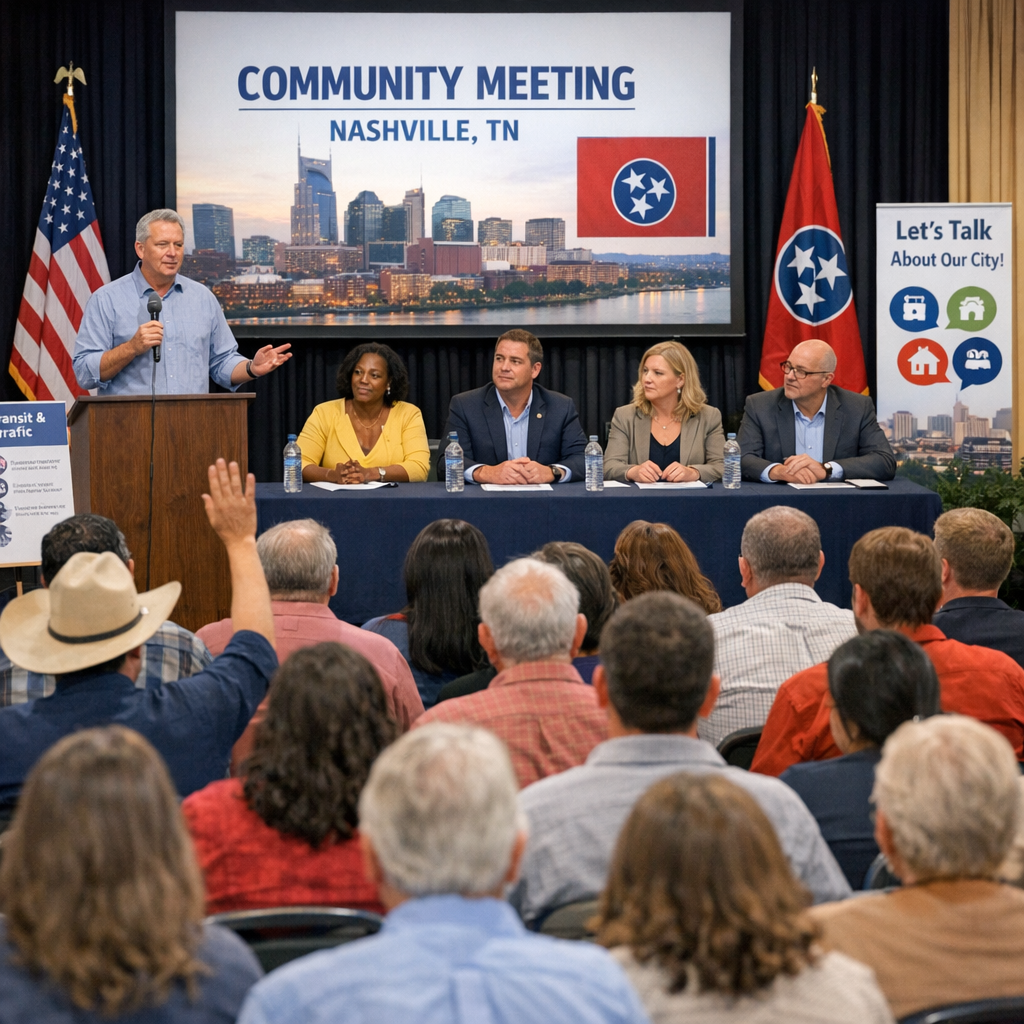
As Nashville continues to evolve, recent reports and community feedback shed light on the city’s financial health and the challenges its residents face.
Financial Overview
Metro Nashville’s finance director, Jenneen Reed, has expressed confidence in the city’s financial stability. Despite modest revenue growth, the city maintains a conservative fiscal policy, requiring reserves of 17% for all operating funds and 50% for debt service obligations. This approach aims to navigate uncertainties in the global economic environment. However, the city’s tax policies have faced criticism, particularly concerning property tax bills impacting homeowners and businesses.
Community Concerns
Residents have voiced growing concerns about housing affordability and the rising cost of living. A significant 82% report that they cannot afford to buy a house in Davidson County, and only 36% plan to purchase a home in the area. These economic strains have led to increased demand for local job creation and have influenced perceptions of the city’s direction and leadership.
Public Sentiment
Following a severe ice storm earlier this year, public approval ratings for city leadership have declined. The Vanderbilt Poll indicates that Mayor Freddie O’Connell’s approval rating dropped by 13 percentage points since 2025, and Metro Council’s approval rating fell below 50% for the first time. Additionally, the Nashville Electric Service faced disapproval due to prolonged outages during the storm.
Community Initiatives
In response to these challenges, various community initiatives have emerged. Residents are finding creative ways to build connections with their neighbors, countering national trends of declining neighborhood interaction. Simple strategies like hosting casual gatherings, organizing group activities, and fostering daily interactions have proven effective in strengthening community bonds.
As Nashville navigates these developments, ongoing dialogue between city officials and residents remains crucial to address concerns and foster a thriving community.