

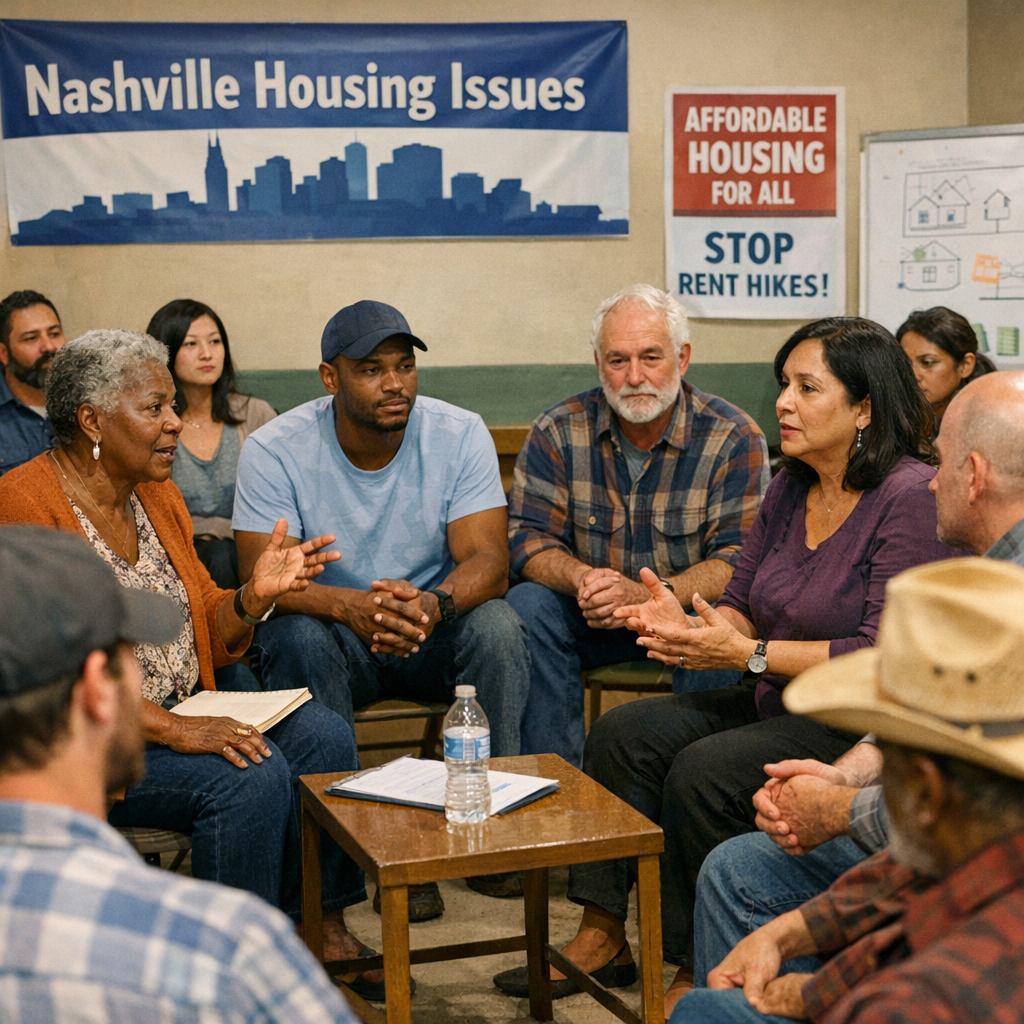
Nashville’s rapid growth has brought prosperity and vibrancy to our city, but it has also intensified challenges, particularly in housing affordability. Recent studies reveal that a significant majority of residents find homeownership increasingly out of reach.
Staggering Statistics
A Vanderbilt University poll indicates that 82% of Nashvillians feel they cannot afford to purchase a home in Davidson County. This sentiment reflects a broader concern about the city’s escalating cost of living and its impact on long-term residents.
Disparities Among Communities
The affordability crisis disproportionately affects African American and Hispanic families. A housing and infrastructure study found that Black families can afford median-valued homes in only 0.8% of Nashville’s neighborhoods, while Hispanic families fare slightly worse at 0.6%. These figures underscore systemic inequities that persist in our housing market.
Community Initiatives and Responses
In response to these challenges, local organizations and government agencies are taking action. Metro Social Services has released interactive maps highlighting areas undergoing gentrification, wage disparities, and poverty concentrations. These tools aim to inform policy decisions and community interventions.
Additionally, the city’s Community Health Improvement Plan outlines strategies to address social determinants of health, including housing stability. Collaborative efforts between public health departments, hospitals, and community organizations seek to create a more inclusive and equitable Nashville.
Looking Ahead
While the statistics are concerning, they also serve as a call to action. By acknowledging these disparities and working collaboratively, Nashville can develop solutions that ensure all residents have access to affordable housing and the opportunity to thrive in our growing city.