

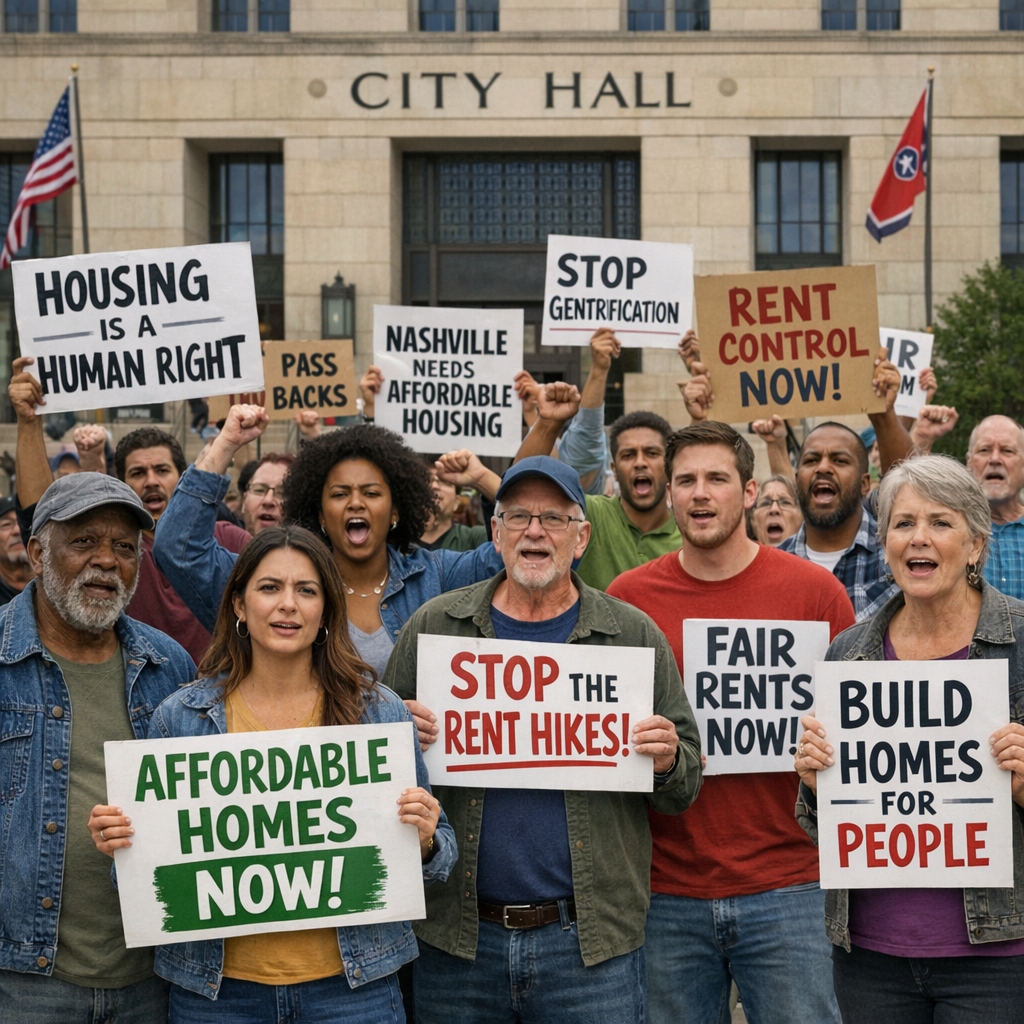
Nashville is grappling with an escalating housing affordability crisis that is reshaping the city’s socio-economic landscape. Recent studies and polls reveal a stark reality: a significant majority of residents find homeownership increasingly out of reach, with minority communities bearing the brunt of this challenge.
Widespread Affordability Concerns
A Vanderbilt University poll indicates that 82% of Nashvillians believe they cannot afford to purchase a home in Davidson County. This sentiment underscores the growing disconnect between housing prices and household incomes in the area.
Disproportionate Impact on Minority Communities
The crisis is particularly acute for Black and Hispanic families. A housing and infrastructure study found that these groups can afford median-valued homes in less than 1% of Nashville’s 481 neighborhoods—specifically, 0.8% for Black families and 0.6% for Hispanic families. This disparity highlights the enduring effects of historical discriminatory practices and the urgent need for equitable housing solutions.
City Initiatives and Community Responses
In response to these challenges, local leaders have launched initiatives like the Unified Housing Strategy, aiming to increase the supply of affordable housing. In fiscal year 2025, city funding supported the construction and preservation of nearly 1,800 affordable housing units. However, public support for multifamily housing, which could improve availability, has waned, making the topic increasingly politically contentious.
Community organizations are also stepping up, advocating for policy changes and providing resources to those affected. Their efforts are crucial in addressing the immediate needs of residents and pushing for systemic reforms.
Looking Ahead
As Nashville continues to grow, addressing the housing affordability crisis remains a pressing priority. Collaborative efforts between government agencies, community organizations, and residents are essential to develop sustainable solutions that ensure all Nashvillians have access to affordable and equitable housing opportunities.