

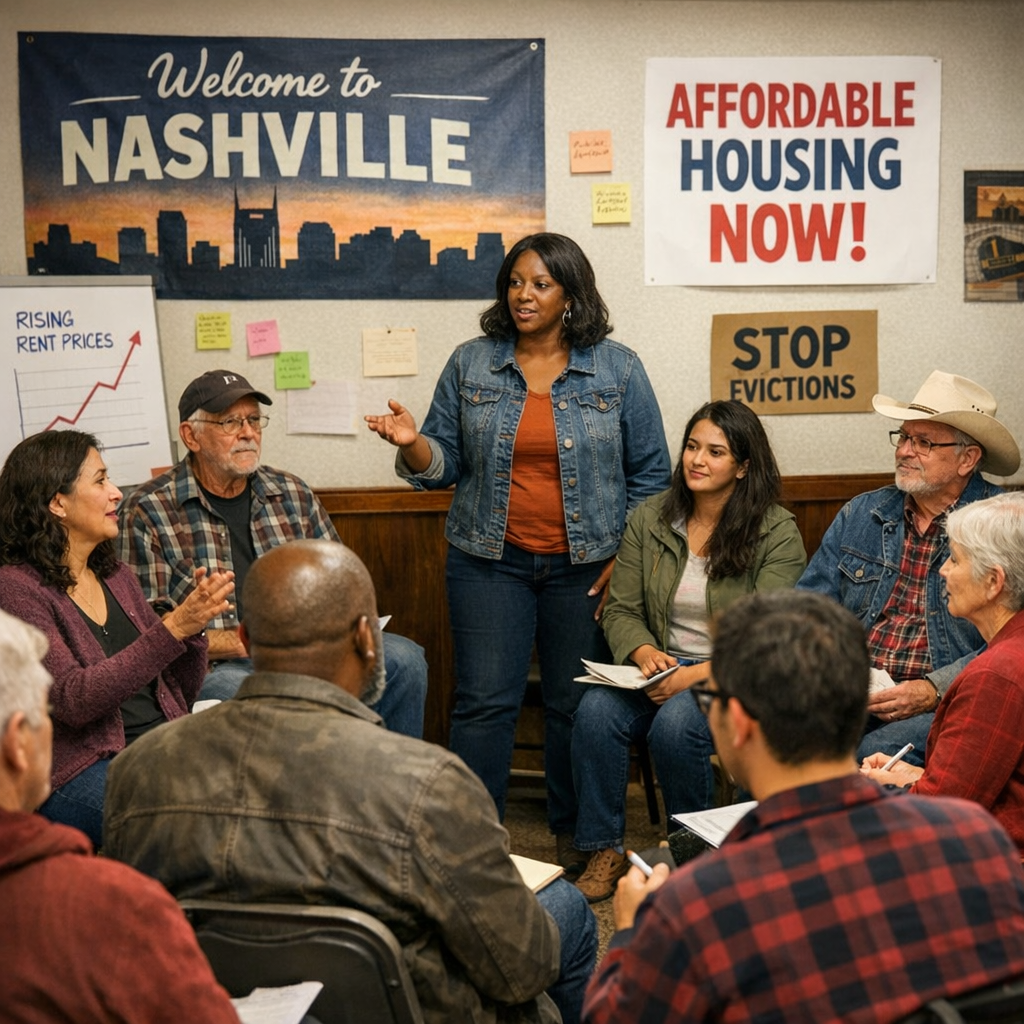
Nashville’s rapid growth has brought prosperity to many, but it has also intensified housing affordability challenges, disproportionately affecting Black and Hispanic families. A recent study revealed that these families can afford median-valued homes in less than 1% of the city’s 481 neighborhoods, highlighting a stark disparity in homeownership opportunities.
Historically, discriminatory practices such as redlining have contributed to this wealth gap. Today, rising property values and escalating taxes further exacerbate the issue. For instance, some downtown properties have seen over 400% increases in value during recent appraisals, leading to significant tax burdens for residents and business owners alike.
In response, local leaders are considering various measures to address these challenges. Proposed solutions include freezing property taxes for certain businesses, implementing specialized appraisals, and offering financial relief to those most affected. Additionally, there is a push for zoning reforms to allow higher-density housing along transit corridors, aiming to increase affordable housing availability.
Community members are also taking action. Grassroots initiatives focus on building stronger neighborhood connections and advocating for policies that promote inclusivity and affordability. These efforts underscore the importance of collective action in addressing systemic issues.
As Nashville continues to grow, it is imperative for policymakers, community leaders, and residents to collaborate on sustainable solutions that ensure all Nashvillians have access to affordable housing and the opportunity to thrive in their city.