

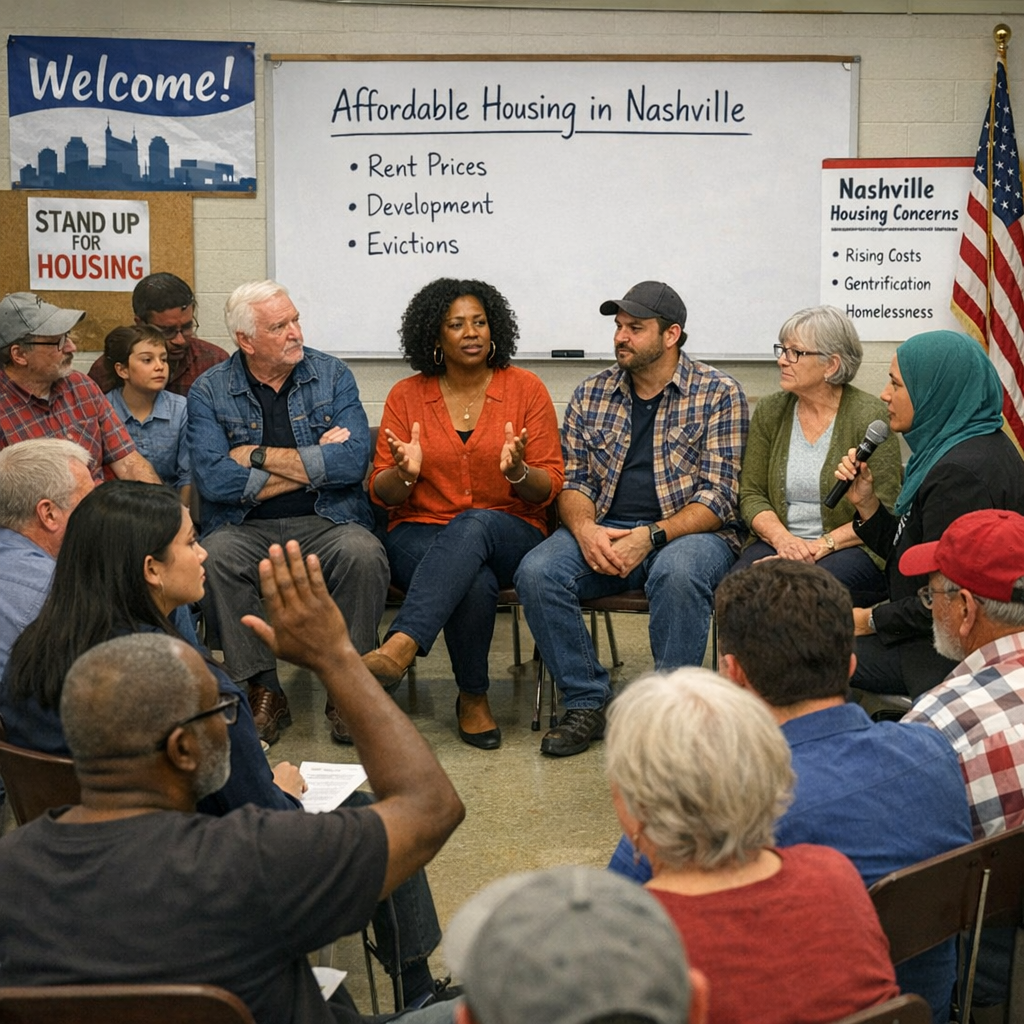
Nashville’s rapid growth has brought prosperity to many, but it has also intensified a housing affordability crisis that threatens the city’s diverse fabric. Recent studies and reports highlight the depth of this issue and its disproportionate impact on minority communities.
Widespread Affordability Concerns
A Vanderbilt University poll reveals that 82% of Nashville residents feel they cannot afford to purchase a home in Davidson County. This sentiment reflects the escalating housing costs that have outpaced income growth for many residents.
Disproportionate Impact on Minority Communities
The Metro Social Services’ annual Community Needs Evaluation underscores the challenges faced by African American residents, who encounter significant affordability issues compared to other Nashvillians. Historical and contemporary factors contribute to this wealth gap, affecting housing accessibility and economic mobility.
Further emphasizing this disparity, a housing and infrastructure study found that Black and Hispanic families can afford median-valued homes in less than 1% of Nashville’s 481 neighborhoods. Specifically, only 0.8% of neighborhoods are affordable for Black families, and 0.6% for Hispanic families. This stark reality points to enduring legacies of discriminatory practices and the urgent need for inclusive housing policies.
Community and Policy Responses
In response to these challenges, local leaders and organizations are advocating for comprehensive strategies to address housing affordability. Recommendations include major zoning reforms, such as permitting higher-density housing along transit corridors, to increase the availability of affordable housing options.
Mayor Freddie O’Connell’s administration has also prioritized transportation improvements through the “Choose How You Move” initiative, aiming to enhance mobility and access to economic opportunities for all residents.
Looking Ahead
As Nashville continues to grow, it is imperative for policymakers, community leaders, and residents to collaborate on sustainable solutions that ensure housing affordability and economic equity. Addressing these challenges is crucial to preserving the city’s rich diversity and fostering a community where all individuals can thrive.