

By Sophia Anderson
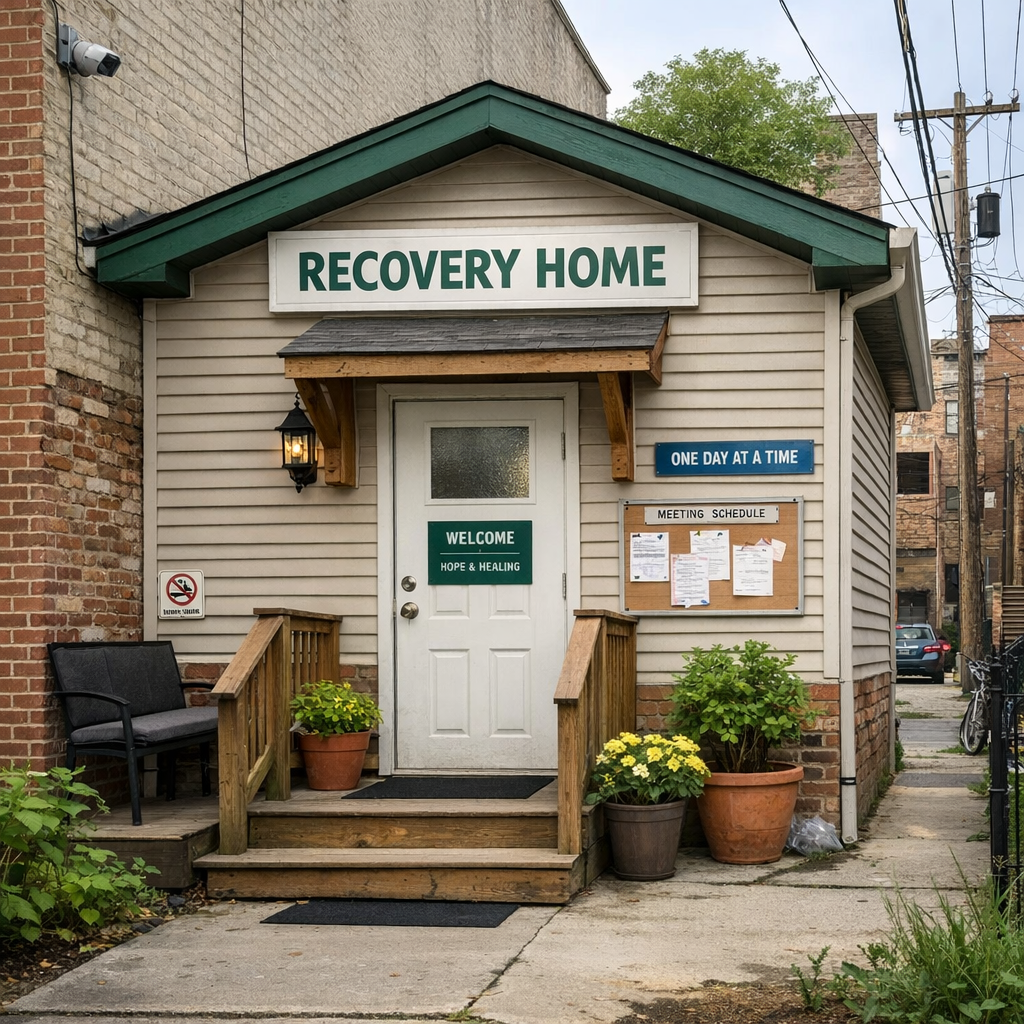
NASHVILLE — A week ago, Thistle Farms, the local nonprofit known for helping women rebuild their lives after addiction or trafficking, opened an eight-bed recovery home to address ongoing needs in our city. The organization, which provides shelter, counseling, and wrap-around support, has long operated with a waiting list capped at 100 women that rarely dips below full capacity. It’s now adding space—but demand remains high.
Why the need persists
The availability of recovery housing for women has fallen short in light of rising substance abuse, mental health struggles, and human trafficking concerns. Despite broader city efforts to increase housing availability and support services, many women are left with few options when seeking recovery environments that feel safe and comprehensive.
Because Thistle Farms combines housing with holistic care—therapy, community, job training—it fills a gap that many recovery programs do not. But the gap is still wide. With dozens more women on the waitlist, each new bed matters, yet they are far from enough.
What the expansion means for the community
From the perspective of survivors, advocates, and local leaders, that new home is more than just shelter—it’s a signal that our city is recognizing interconnected crises: housing, public health, trauma. A recovery house can be a turning point toward stability.
Still, for every new facility, the city must sustain long term funding, staff capacity, and partnerships with public and private agencies. Community awareness and follow-through will shape whether this expansion is a lasting solution or a temporary relief.
Looking ahead
Thistle Farms plans to monitor how quickly new spots are filled and assess whether further housing will be needed. Meanwhile, advocacy continues for affordable housing, better access to mental health services, and streamlined support for women escaping trafficking and addiction.
For Nashvillians, this moment underscores a truth: recovery is more than treatment; it’s about housing, trust, community—and sometimes even a new place to call home.