

By Sophia Anderson
Nashville is in a moment of transformation. Rapid growth, rising costs, and infrastructure strain are prompting tough conversations between residents and city leaders. Three issues in particular are coming into sharper focus: affordable housing, transit improvements, and oversight of new large‐scale development.
Affordable Housing Becomes Central in Budget Debates
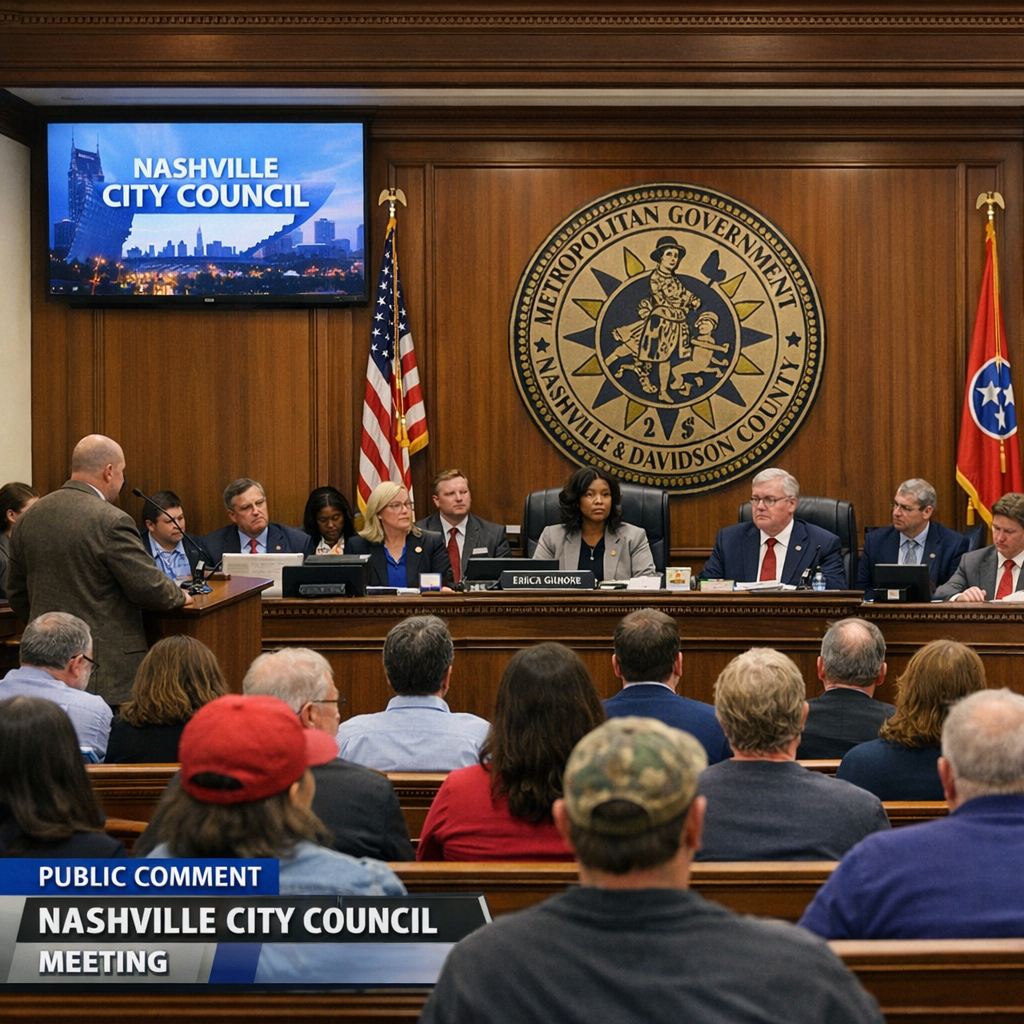
At recent Metro Council public hearings, dozens of Nashvillians made their concerns heard. They urged the city to fully fund the Barnes Housing Trust Fund at $30 million to help address displacement and skyrocketing rent costs. Other top priorities included support for Nashville General Hospital, increased pay for city employees, and preschool childcare programs. These requests reflect deep anxiety about housing stability and access.
In response, the proposed FY2027 substitute budget from Budget & Finance Committee Chair Kyonzté Toombs builds in more funding for housing, community safety, and vulnerable residents. It attempts to balance these priorities with fiscal responsibility, and aims to bridge gaps between what residents are asking for and what the mayor initially proposed.
Transit Upgrades Under ‘‘Choose How You Move’’ Make Visible Change
Since voters approved dedicated transportation funding in late 2024, the Choose How You Move program has rapidly shifted from concept to action. More than $163 million in projects have been launched, including projects to fill sidewalk gaps, upgrade signals, and expand transit service in underserved areas.
Recent milestones include a new queue‐jump lane on Murfreesboro Pike, expanded WeGo fare‐free services in some zones, and the rollout of Complete Street projects to make roads safer for pedestrians and cyclists. The changes are happening in real neighborhoods—people are walking, rolling, and riding where for years they couldn’t without worry.
Data Centers Under Scrutiny
A growing number of proposals for large data centers—some near attractions like the Nashville Zoo or prominent institutions like Fisk University—have sparked concerns throughout the community. Residents and local leaders point to possible negative impacts: strain on water, noise pollution, energy consumption, traffic, and the character of nearby neighborhoods.
Mayor Freddie O’Connell has responded by issuing an executive order directing city departments to study these large facilities and recommend policies for regulating or temporarily pausing new constructions. There is also legislation being considered in the Metro Council to put clearer oversight in place.
What This Means for Residents
- If your housing options feel squeezed, momentum in the budget process could result in new programs or expanded funding aimed at relief.
- Expect to see more transportation projects near you if you’re in neighborhoods currently underserved by transit or lacking pedestrian infrastructure.
- Laws and regulations for data centers may change soon, especially in zones close to residential areas.
These issues—affordability, mobility, sustainable development—don’t just affect parts of Nashville; they shape its future. As leaders roll out new policies, residents’ voices will continue to matter. Nashville is moving fast. The question now is where we want it to lead.