

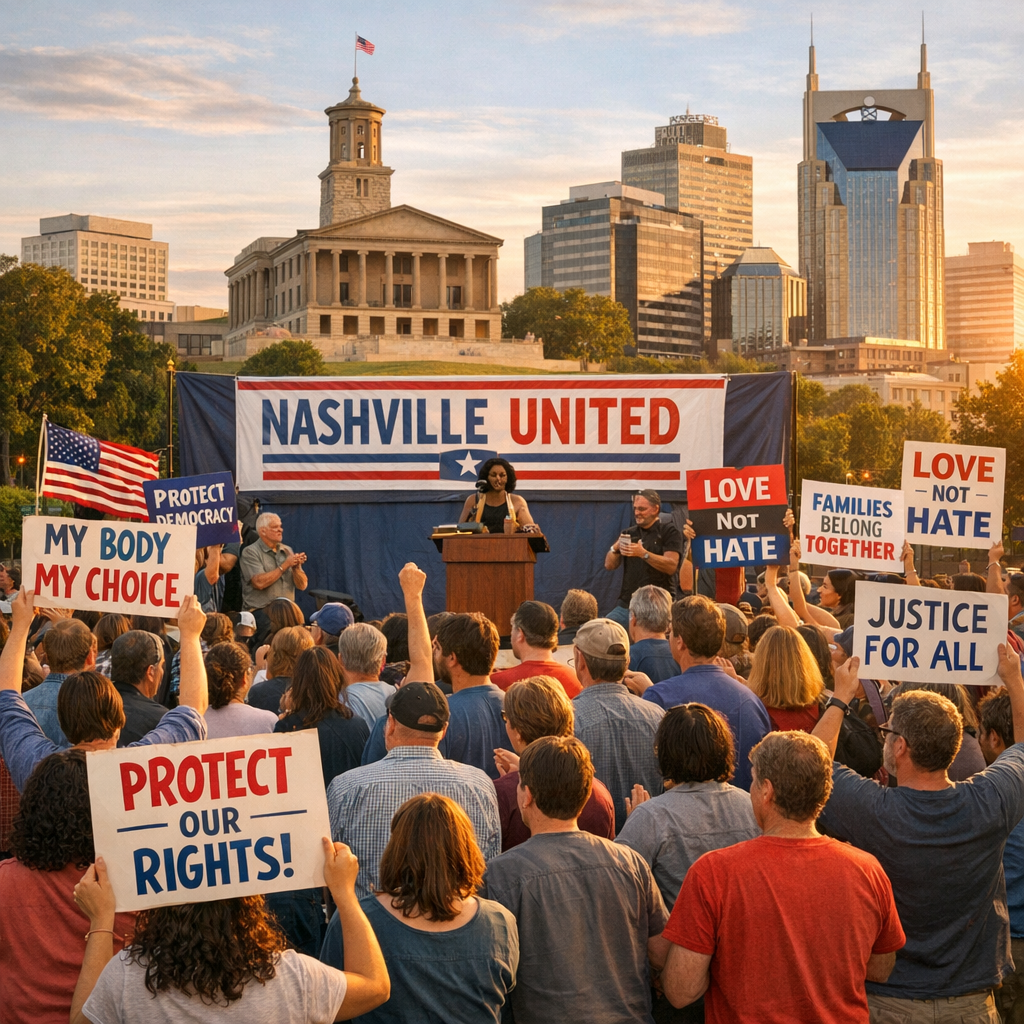
As national policies evolve, their effects ripple through communities across the country. In Nashville, recent federal actions on immigration enforcement, trade tariffs, and public safety have had tangible impacts on the local economy and daily life.
Immigration Enforcement and Community Response
In 2025, intensified immigration enforcement operations led to nearly 200 arrests in Nashville. This surge in activity caused a significant rise in absenteeism among immigrant students, as families feared sending their children to school. Teachers reported increased anxiety and stress among students, affecting their academic performance and well-being.
Local businesses, particularly in South Nashville, experienced a downturn. Restaurant owners reported sales declines of up to 40%, attributing the drop to customers staying home out of fear. Community leaders expressed concerns that such enforcement actions could harm the local economy by deterring residents from participating in daily activities.
Trade Tariffs and Economic Implications
The imposition of tariffs on Canadian goods by the Trump administration had a notable impact on Nashville’s tourism sector. Approximately half of the city’s international visitors come from Canada. However, the tariffs and accompanying diplomatic tensions led to a decrease in Canadian tourists, affecting local businesses reliant on tourism revenue.
City officials and business owners voiced concerns that the trade dispute could have long-term effects on Nashville’s economy, emphasizing the need for stable international relations to support the city’s growth and prosperity.
Public Safety and Policy Debates
In 2025, U.S. Representative Andy Ogles called for the deployment of the National Guard in Nashville, citing concerns over violent crime. However, data from the Metro Nashville Police Department indicated a significant decrease in violent crime during that period. Fatal shootings were down by 30.8%, and overall violent crime had dropped by 12.5%.
This discrepancy between perception and reality sparked debates among local leaders about the appropriate response to crime and the potential implications of involving federal forces in local law enforcement.
These instances underscore the complex interplay between national policies and local realities. As federal decisions continue to shape the landscape, Nashville’s leaders and residents remain vigilant, striving to balance national directives with the unique needs and character of their community.