

By Emily Johnson
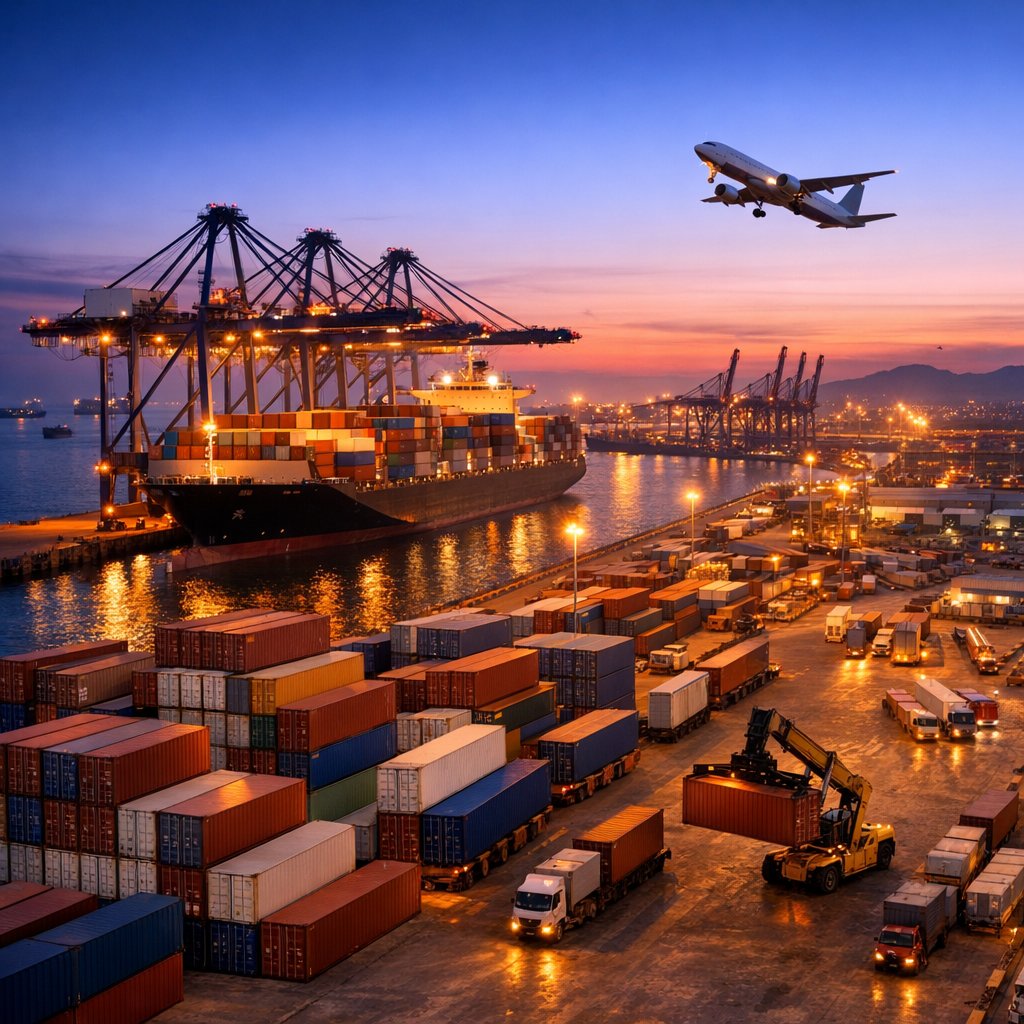
Global Supply Chains in a Time of Heightened Risk
Recent surveys show that supply chains are under persistent strain—not the post-pandemic shock, but a new normal of elevated risk. Ongoing conflicts in the Middle East and Ukraine loom large, disrupting the flow of essential goods like oil, fertilizers, plastics, and electronic components. Procurement experts point out that these geopolitical disruptions are now among the leading causes of supply chain anxiety globally.
More than location-based chokepoints, constraints now come from scarce materials and rising input costs. For instance, demand for semiconductors and memory chips has pushed prices higher, while damage to infrastructure and shipping delays have made timeliness a risky proposition. Companies are building safety stocks earlier and shipping ahead of demand to hedge against uncertainty.
Climate Diplomacy: Agreements, Gaps, and Global Goals
International negotiations under the Paris framework continue to make progress—structures like the Adaptation Fund and technology councils are advancing in their mandates. Key outcomes from recent climate meetings include drafting measurable indicators for adaptation and setting priorities for resilient cities, electrification, and waste management. Yet, crucial elements like goals for climate adaptation measurement remain unresolved.
At the same time, countries are rolling out work to strengthen transparency and track progress toward climate commitments. Innovative finance structures and technology transfer are underway, but many holdouts argue that current pace still falls short of what is needed to curb warming trends.
Conflict and Peacemaking: Moving Toward Sustainable Resolutions
Armed conflicts continue to multiply globally, with recent data showing more state-based wars than at any time since World War II. These conflicts not only displace populations but also weaken global systems—from food production to the security of trade routes.
In parallel, diplomatic efforts are evolving. Mediators are now often found in the Global South, while nontraditional negotiation channels—both between states and within conflict zones—are gaining visibility. However, ceasefire agreements tend to be temporary pauses rather than long-term solutions, and many conflicts lack reinforced frameworks for sustainable peace.
Why This Matters for Communities Like Nashville
Even here in Tennessee, these global trends have ripple effects. Rising input costs in electronics, food, and construction materials affect local businesses and consumers. Weather extremes tied to climate change—such as heatwaves and flooding—translate global climate risks into local hazards. Lastly, instability abroad often leads to migration waves or disruptions in refugee resettlement programs, areas that engage local governments and nonprofits deeply.
Markets, policy, and civil society all have parts to play—whether that means supporting ethical sourcing, demanding climate policy transparency, or advocating for deeper peace initiatives. Understanding these global frames helps us make more resilient decisions at home.