

Nashville’s climate is undergoing noticeable changes, with rising temperatures and increased precipitation patterns. These shifts present challenges that require proactive community engagement and sustainable practices.
Understanding the Climate Trends
Recent data indicates a significant warming trend in Nashville, with average temperatures increasing by approximately 3.4°F over the past century. This warming contributes to more frequent and intense heatwaves, posing health risks, especially to vulnerable populations. Additionally, the city has experienced a 3.3-inch increase in annual precipitation, leading to heightened risks of flooding and stormwater management issues.
Community Initiatives and Environmental Stewardship
In response to these challenges, Nashville has launched several initiatives aimed at enhancing environmental resilience and promoting sustainability:
Tree Canopy Restoration
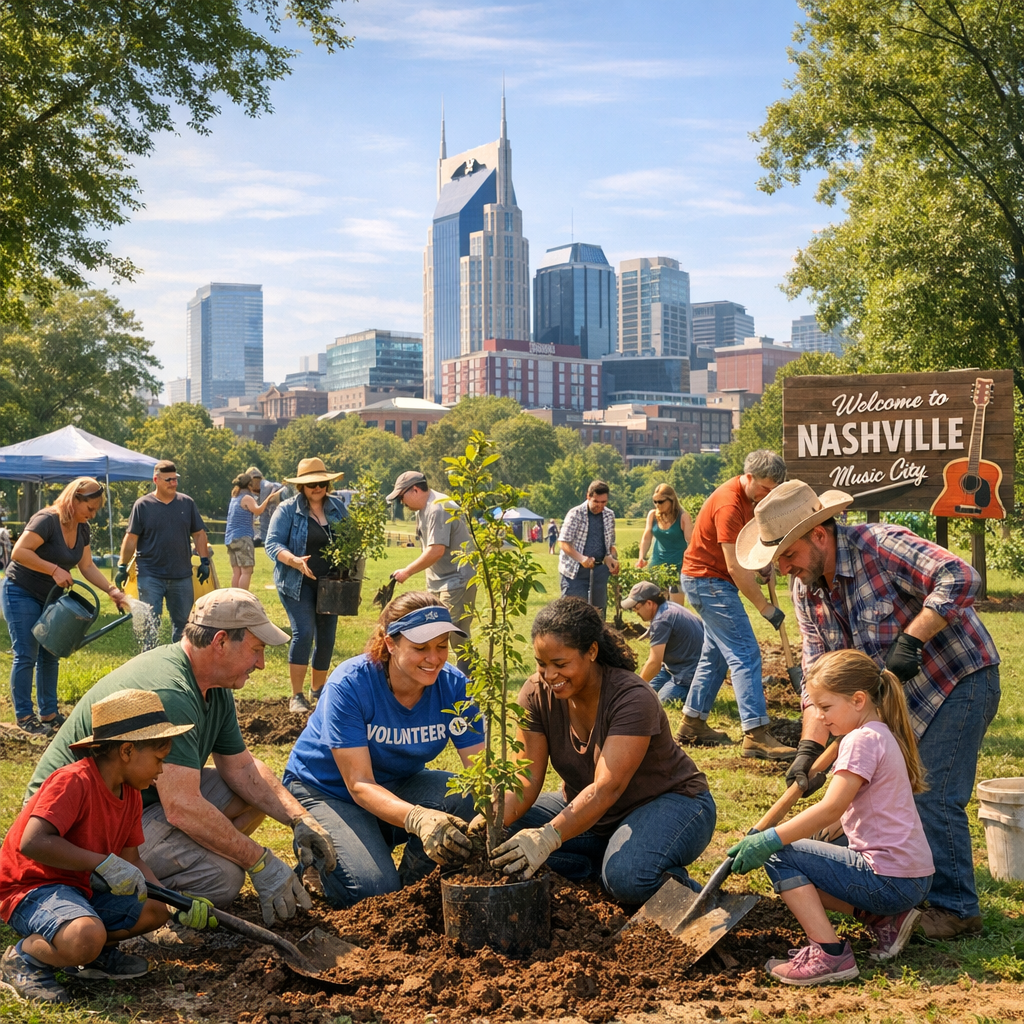
The city has committed to expanding its tree canopy, recognizing the role of trees in mitigating urban heat and improving air quality. Legislation mandates the management of trees on public property as valuable assets, with regular progress reports and stringent replacement standards for any removals. Additionally, a dedicated revenue stream supports tree planting efforts on private properties, contributing to the Root Nashville campaign’s goal of planting 500,000 trees by 2050.
Zero Waste Nashville
Aiming to divert 90% of waste from landfills, the Zero Waste Nashville initiative focuses on reducing, reusing, recycling, and composting. This comprehensive approach addresses the city’s higher-than-average waste generation and promotes sustainable waste management practices.
Climate Resilience Planning
Recognizing the impacts of climate change, Nashville has developed a Climate Resilience Strategy to prepare and adapt communities, infrastructure, and systems to withstand severe weather events. This plan emphasizes the importance of anticipating climate conditions and implementing measures to recover rapidly from climate-driven disruptions.
Community Engagement and Education
Organizations like Urban Green Lab play a pivotal role in educating residents on sustainable living practices. By offering programs that reach educators, businesses, and households, they foster a culture of sustainability across the city.
Furthermore, events such as Nashville Earth Day provide platforms for community members to engage with environmental topics, participate in activities, and support local sustainability efforts. Proceeds from these events have funded numerous environmental projects, including tree plantings and pollinator gardens, enhancing the city’s green spaces and biodiversity.
Looking Ahead
As Nashville continues to grow, integrating sustainable practices into daily life and urban planning becomes increasingly vital. Community involvement, education, and proactive policies are essential in navigating the challenges posed by climate change and ensuring a resilient and thriving city for future generations.