

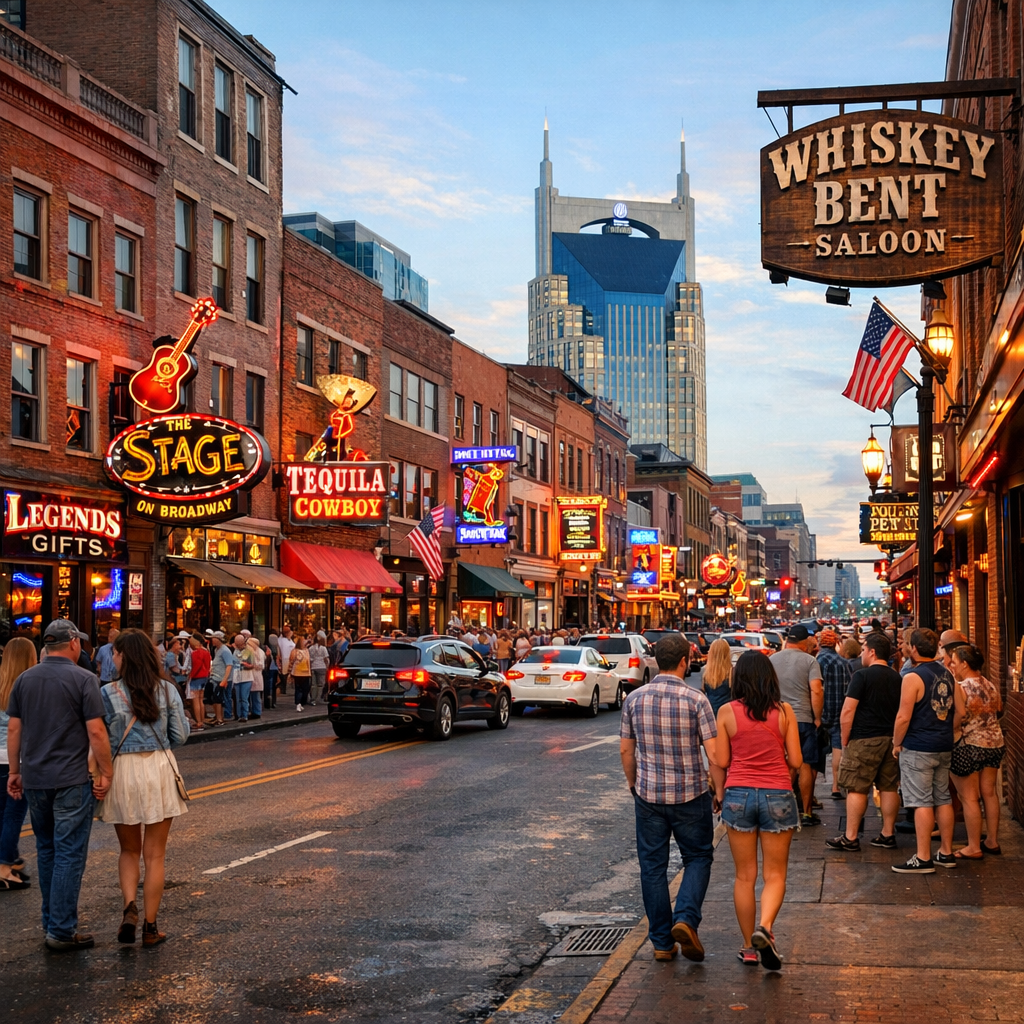
Nashville’s economic landscape has undergone significant transformation over the past two decades. Once primarily recognized for its vibrant music scene, the city has diversified into sectors such as healthcare, technology, and financial services, establishing itself as a dynamic hub for business growth.
Population Growth and Economic Expansion
The Nashville metropolitan area has experienced substantial population growth, adding over 100 residents daily on average in recent years. This influx has propelled the region’s population beyond two million, contributing to a robust economic environment. Factors such as a relatively low cost of living, a business-friendly regulatory climate, and the absence of a state personal income tax have attracted both individuals and businesses to the area.
Support for Entrepreneurs
For those looking to start or grow a business in Nashville, a wealth of resources is available:
- Nashville Entrepreneur Center (NEC): The NEC offers accelerator programs like TakeOff, InFlight, and Project Healthcare, providing mentorship, curriculum, and community support to founders at various stages of their business journey. Notably, the NEC does not take equity in participating companies, focusing instead on fostering growth and success.
- The Wond’ry at Vanderbilt University: This innovation center supports entrepreneurs from early-stage startups to fully developed technologies, offering resources to faculty, students, staff, and alumni interested in building ventures from the ground up.
- Nashville Public Library’s ‘NPL Means Business’: This initiative assists entrepreneurs and small business owners by providing access to business tools, research materials, and resources, including a Small Business Discussion Series led by Small Business Administration staff.
Real Estate and Retail Market Trends
Nashville’s real estate market has seen a cooling trend, leading to a more balanced environment with increased negotiation opportunities for buyers. Home prices are stabilizing after previous surges, though affordability remains a challenge due to steady mortgage rates. In the retail sector, vacancy rates have remained tight, with limited new supply and an aging inventory. This has led to strong absorption rates and heightened competition for quality retail spaces, particularly in affluent suburbs like Cool Springs and Brentwood.
Corporate Investments and Job Creation
Major corporations are recognizing Nashville’s potential. For instance, Starbucks announced a $100 million investment to establish a corporate hub in downtown Nashville, expected to create 2,000 jobs over the next five years. This move underscores the city’s growing appeal as a corporate destination beyond traditional headquarters locations.
Challenges and Considerations
Despite the positive growth, challenges persist. A record number of property appraisal appeals have been filed, driven by significant increases in property values and tax rates. This situation has particularly impacted downtown hospitality and retail businesses, many of which operate under lease agreements that pass on tax increases to tenants. Additionally, the tight labor market, with unemployment rates around 2.7%, presents hiring challenges for businesses seeking skilled workers.
In conclusion, Nashville offers a dynamic and supportive environment for entrepreneurs and businesses. By leveraging available resources and staying informed about market trends, business owners can navigate the evolving landscape and seize opportunities for growth and success.