

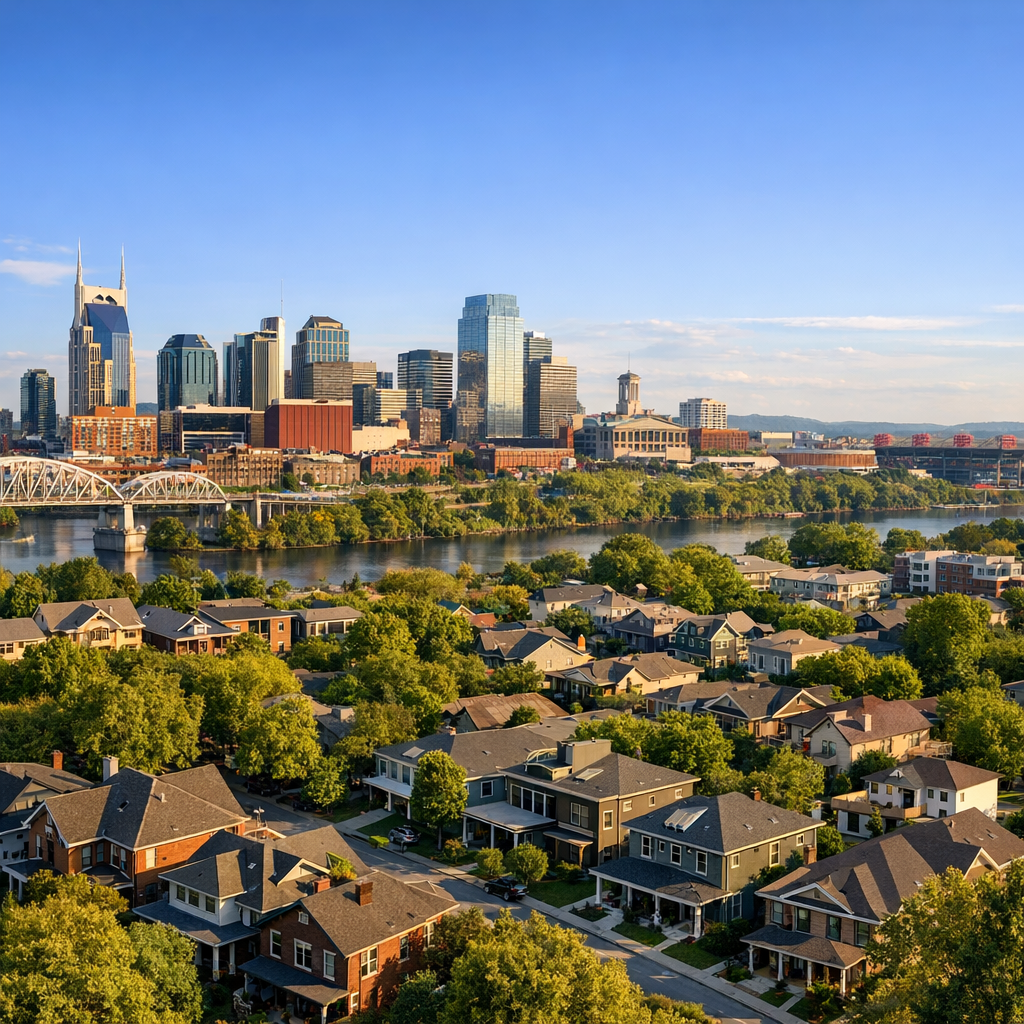
Nashville’s housing market is experiencing notable shifts, presenting both challenges and opportunities for buyers and sellers alike. Recent data indicates a significant increase in housing inventory, providing prospective buyers with more options and greater negotiating power.
Market Trends
As of March 2026, the Greater Nashville Realtors reported 12,315 properties available for sale, marking a 12% rise from the previous year. This surge in inventory, coupled with lower interest rates, has empowered buyers, leading sellers to adopt creative tactics such as offering incentives. Although home prices have decreased slightly—condo prices fell from $350,000 in February 2025 to $338,500 last month—overall prices remain significantly higher than in past years, continuing to price out some buyers. The market, which has been cooling following its post-COVID surge, saw sales totaling 2,133 homes last month, a figure consistent with last year’s data. Notably, Middle Tennessee homes sold at an average of 6.4% below asking last year, but larger price declines were seen in other markets. Despite signs of increased affordability, many prospective buyers still struggle with high costs.
Neighborhood Highlights
Antioch (ZIP code 37013) continues to lead Nashville’s real estate market, recording 1,121 home sales in 2025. This marks the third consecutive year Antioch has topped the list, emphasizing its rapid growth in southeastern Davidson County. Rising home prices in popular areas like East Nashville have pushed buyers toward more affordable destinations like Antioch, which is also benefiting from new amenities such as Tanger Outlets and an upcoming In-N-Out.
Affordability Concerns
A recent Vanderbilt University poll reveals that 82% of Nashville residents feel they cannot afford to buy a home in Davidson County, highlighting the city’s ongoing housing affordability crisis. This widespread concern comes even as local leaders, including Mayor O’Connell, push initiatives like the Unified Housing Strategy to increase affordable housing supply. In fiscal year 2025, city funding supported the construction and preservation of nearly 1,800 affordable housing units. Despite this, residents are growing uneasy, with many shifting their attention toward economic issues—43% now prioritize attracting good jobs, up from 18% the previous year. While affordability is a central issue, public support for multifamily housing, which could improve availability, has waned, making the topic increasingly politically contentious.
Looking Ahead
As Nashville’s housing market continues to evolve, staying informed about these trends is crucial for making well-informed decisions. Whether you’re considering buying, selling, or simply keeping an eye on the market, understanding the current landscape will help you navigate the opportunities and challenges that lie ahead.