

Hey Nashville—it’s Mia Wilson checking in with a look at what’s happening on the ground in our city’s real estate and housing scene. Between changing rent trends, home-sale shifts, and big local development moves, the market is evolving fast. Whether you’re renting, buying or watching from the sidelines, these are the insights you’ll want to keep in mind.
Rents: Slight Relief with Signs of Change
Over the past year, average apartment rents across Nashville slipped a bit—by around 3.6%. This decline reflects higher vacancy rates and rising supply in recent years. But nuances matter: July data show vacancy rates have eased somewhat and month-over-month rent increases are creeping back. In short, the rental market remains tenant-friendly, but it’s drifting toward more balanced territory.
Neighborhood really makes a difference. Urban core areas carry premium prices; suburban neighborhoods like Antioch and Madison offer more affordable options, especially for larger units.
Homebuying Scene: Steady Prices, More Choices
The average sale price of homes in Nashville is right around $480,000, up about 1% year-over-year. Homes are staying on the market a bit longer—about 61 days currently versus less last year—which gives buyers slightly more breathing room.
Zillow figures show typical home values near $434,000, down modestly (~3%) in the last year. That suggests some cooling in high-demand areas while the broader market remains active. Inventory seems to be improving too.
For Renters: What to Watch & Do
- Compare by zip code—not just city averages. Prices vary dramatically depending on location, unit type, and condition. Pull comps locally.
- Negotiate when possible. With longer vacancies or slower lease turnovers, landlords may be more flexible on lease terms, deposits, or move-in costs.
- Set realistic budget thresholds. Even homebuying costs in many parts of the city demand higher income; renting tends to stay under that but still takes a big slice of household income in many markets.
For Buyers & Investors
If you’re buying, patience continues to pay. Longer market times mean offers below list or more negotiation margin—even though in many neighborhoods, multiple offers are still common.
Investors should weigh yield today against expected future appreciation. Nashville’s “cap rates” are moderate—even with low property taxes—meaning cash flow isn’t as high as some earlier boom-era projections, but solid long-term growth potential remains.
Key Local Development & Policy Moves
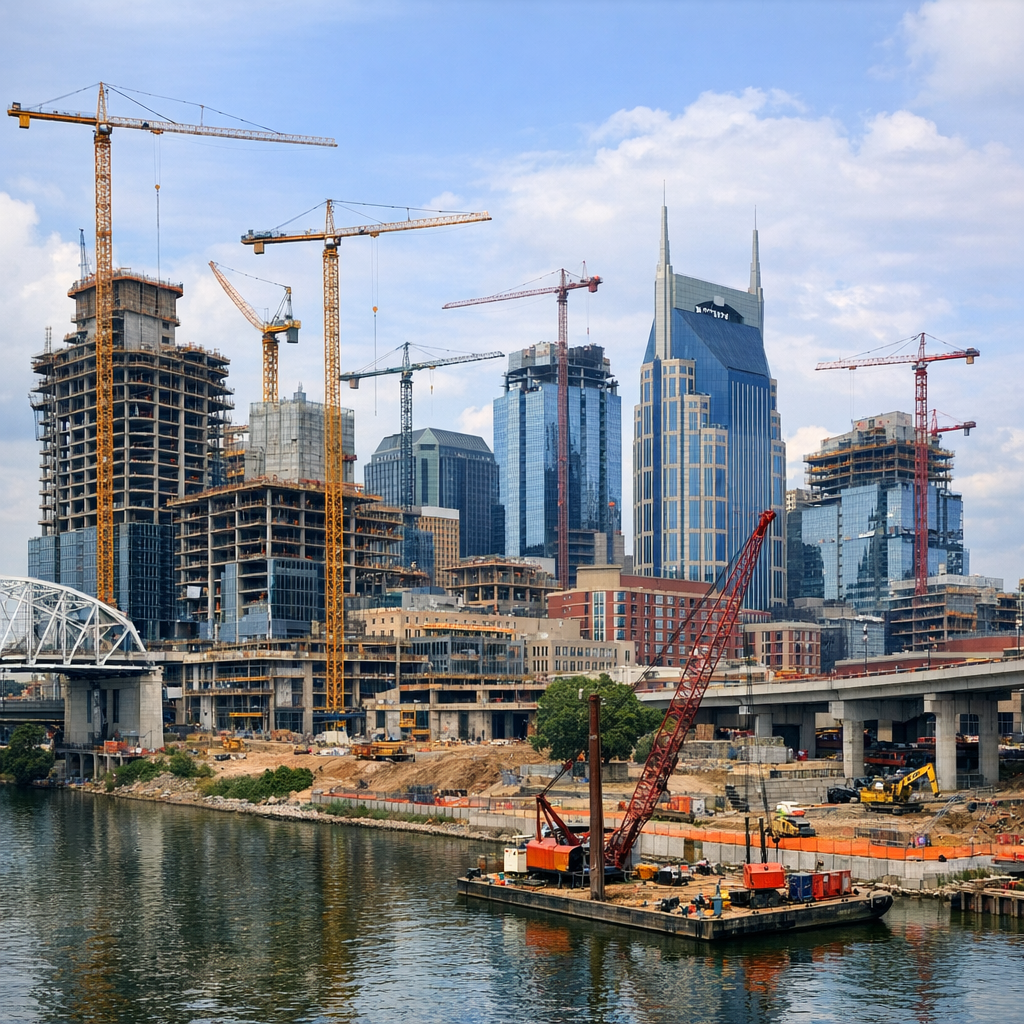
Several large projects are changing Nashville’s skyline and community dynamics. The East Bank area is in flux with mixed-use development, a new Stages of Life arts center, and even a corporate campus emerging, driven in part by redirected convention center funding.
There’s also active debate over zoning and infrastructure, such as the legal controversy surrounding the Cheekwood parking expansion. Such issues signal that as the city grows, so too will the pressure on planning, public transit, traffic, and neighborhood preservation.
Bottom Line
Nashville’s housing market is in a phase of adjustment. Rents are leveling off, home values are mostly steady (with some softening in certain areas), and new development is pushing both opportunity and conflict. If you’re renting, buyer, or investor, keeping one eye on neighborhood-level trends and the other on city planning moves will serve you well. Feel free to reach out if you’re looking for local numbers or comparisons—happy to help you slice through the data.