

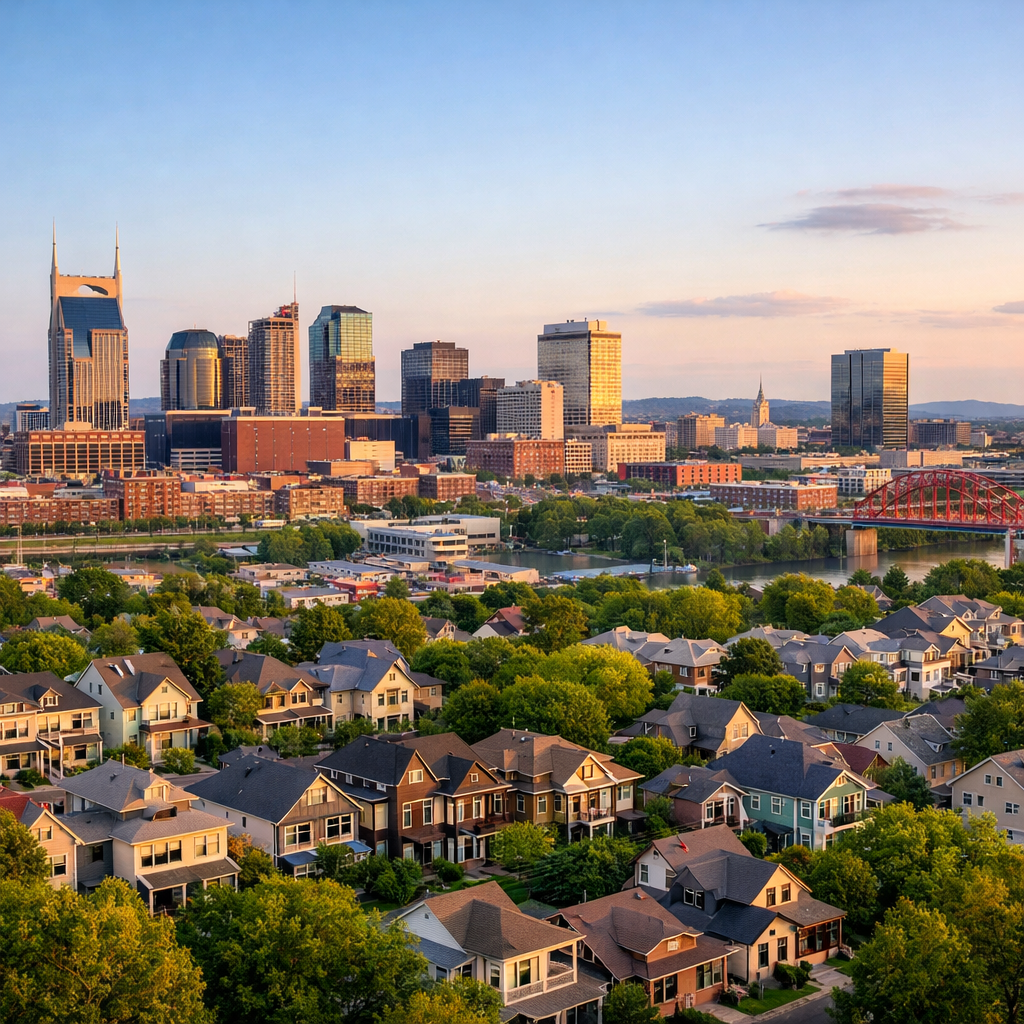
Nashville’s real estate market is undergoing significant changes, presenting both opportunities and challenges for buyers and sellers alike. Recent data indicates a shift toward a more balanced market, characterized by increased inventory and moderated price growth.
Market Trends
Over the past year, Nashville has seen a notable increase in housing inventory. Active listings reached 3,042 homes in April, marking an 11.5% year-over-year rise. This surge in available properties provides buyers with more options and greater negotiating power.
Despite the increase in inventory, home prices have shown resilience. The median sale price in Nashville was $475,000 over the last three months, reflecting a 2.1% increase compared to the same period last year. However, the pace of price growth has slowed, indicating a move toward market stabilization.
Impact on Buyers and Sellers
For prospective buyers, the current market conditions are favorable. The combination of increased inventory and moderated price growth means more choices and less competition. Buyers can take advantage of this environment to find properties that meet their needs without the pressure of rapid price escalations.
Sellers, on the other hand, may need to adjust their strategies. With more properties on the market, it’s essential to price homes competitively and ensure they are in excellent condition to attract discerning buyers. Creative incentives and flexible terms can also make listings more appealing.
Local Development and Affordability
As Nashville continues to grow, local development projects are playing a crucial role in shaping the housing landscape. The city’s Housing Division offers various tools and resources to support the creation and preservation of affordable housing. Programs like the Barnes Housing Trust Fund and the Connecting Housing to Infrastructure Program (CHIP) aim to connect affordable housing developments with enhanced infrastructure investments.
Despite these efforts, affordability remains a pressing concern. A recent poll revealed that 82% of Nashville residents feel they cannot afford to buy a home in Davidson County. This underscores the need for continued focus on affordable housing initiatives to ensure that the city’s growth benefits all residents.
Looking Ahead
Nashville’s real estate market is in a period of transition. While the increase in inventory and moderated price growth offer advantages for buyers, sellers must adapt to a more competitive environment. Staying informed about market trends and leveraging available resources will be key for all parties navigating this evolving landscape.