

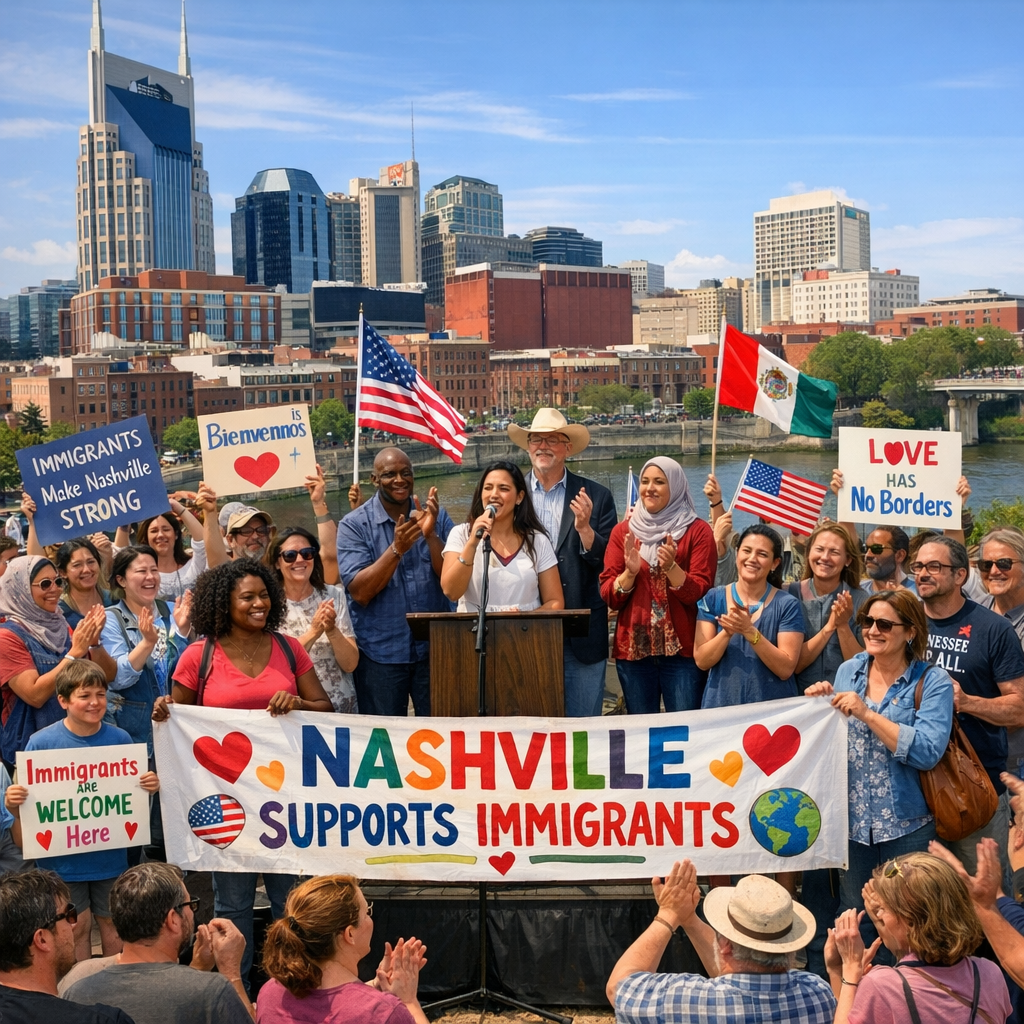
In recent times, Nashville has experienced the direct effects of federal immigration enforcement actions, prompting city leaders and community organizations to implement measures aimed at supporting affected residents and mitigating economic repercussions.
Community and Economic Impact
Following a series of operations by U.S. Immigration and Customs Enforcement (ICE) and the Tennessee Highway Patrol, nearly 200 individuals were detained in Nashville. These actions have instilled fear within immigrant communities, leading to noticeable declines in local business activity. For instance, Francisco Elias, owner of El Cubilete restaurant, reported a 40% drop in sales, attributing the decrease to customers’ apprehension about leaving their homes.
Educational Challenges
The enforcement activities have also disrupted the educational environment. Teachers at Metro Nashville Public Schools have observed increased absenteeism among students from immigrant families, as fears of detention have led some parents to keep their children at home. This trend poses challenges for educators striving to maintain consistent attendance and academic progress.
Policy Responses and Community Support
In response to these developments, Nashville’s leadership has taken proactive steps. Mayor Freddie O’Connell, in collaboration with the Community Foundation of Middle Tennessee, established the “Belonging Fund” to assist affected residents with essential needs such as childcare, transportation, housing, and food security. Additionally, Metro Council members are advocating for policies that include displaying immigrants’ legal rights in government buildings to better inform and protect the community.
These initiatives underscore Nashville’s commitment to supporting its diverse population amidst the challenges posed by federal immigration enforcement. By fostering a sense of belonging and providing tangible assistance, the city aims to mitigate the adverse effects on its residents and local economy.