

In recent months, the United States has witnessed significant shifts in immigration policies, prompting discussions and debates across the nation. These changes encompass various aspects, including visa regulations, enforcement measures, and pathways to citizenship.
Visa Regulations and Employment
One notable development is the judicial ruling against the $100,000 fee imposed on H-1B visa applicants. This fee, introduced to fund domestic workforce development, was deemed unlawful by a federal judge, leading to its suspension. The decision has been met with relief by many employers and prospective employees who rely on the H-1B program to fill specialized positions.
Enforcement Measures
The administration has also intensified efforts to address immigration fraud. A recent initiative aims to revoke the citizenship of individuals found to have obtained it through fraudulent means. This move underscores the government’s commitment to maintaining the integrity of the naturalization process.
Pathways to Citizenship
In a bid to streamline the naturalization process, the government has introduced measures to expedite applications for eligible individuals. These efforts are designed to reduce backlogs and provide a clearer path to citizenship for those who meet the necessary criteria.
Local Implications
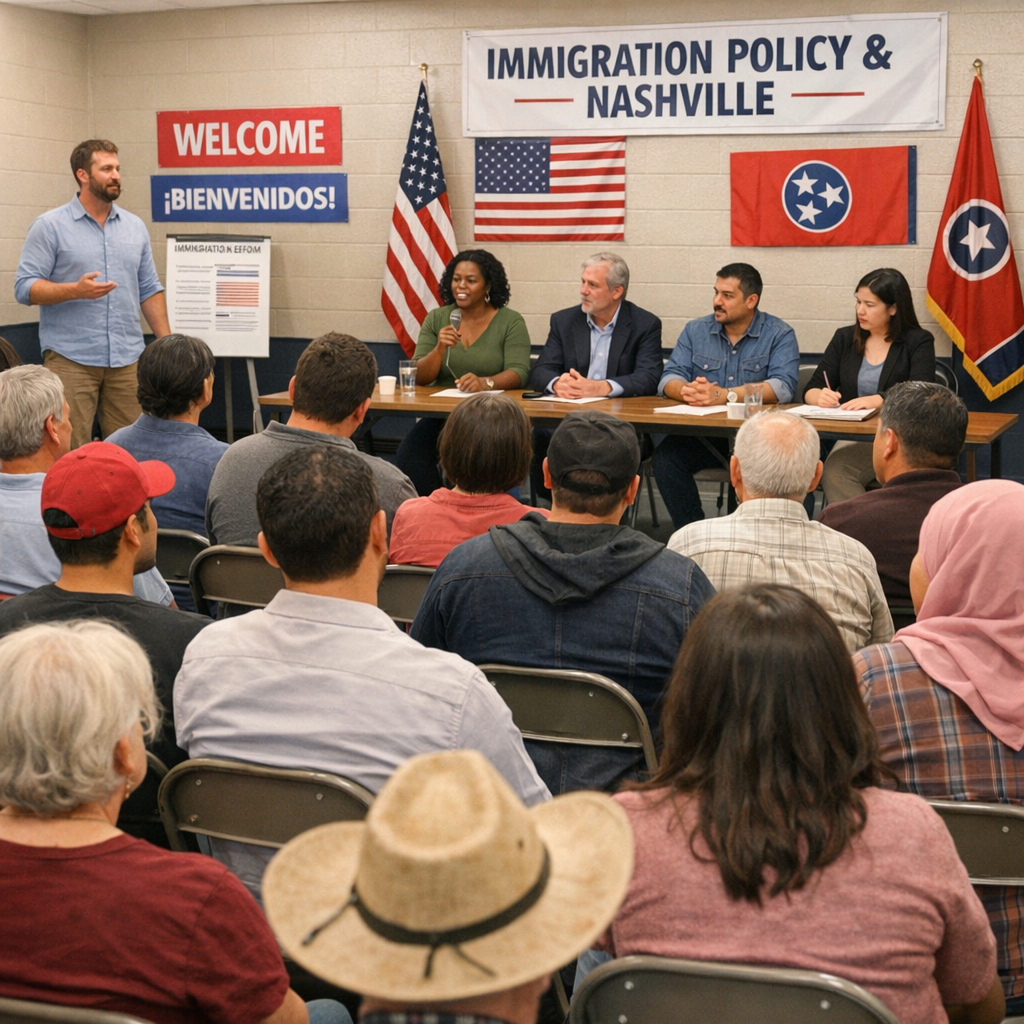
For communities like Nashville, these policy changes have tangible effects. The city, known for its diverse population and vibrant cultural scene, may experience shifts in its workforce dynamics, educational institutions, and social services. Local organizations and advocacy groups are closely monitoring these developments to provide support and resources to affected individuals.
Looking Ahead
As the landscape of U.S. immigration policies continues to evolve, staying informed is crucial. Residents are encouraged to engage with local community organizations, attend informational sessions, and consult official government resources to understand how these changes may impact them and their neighbors.