

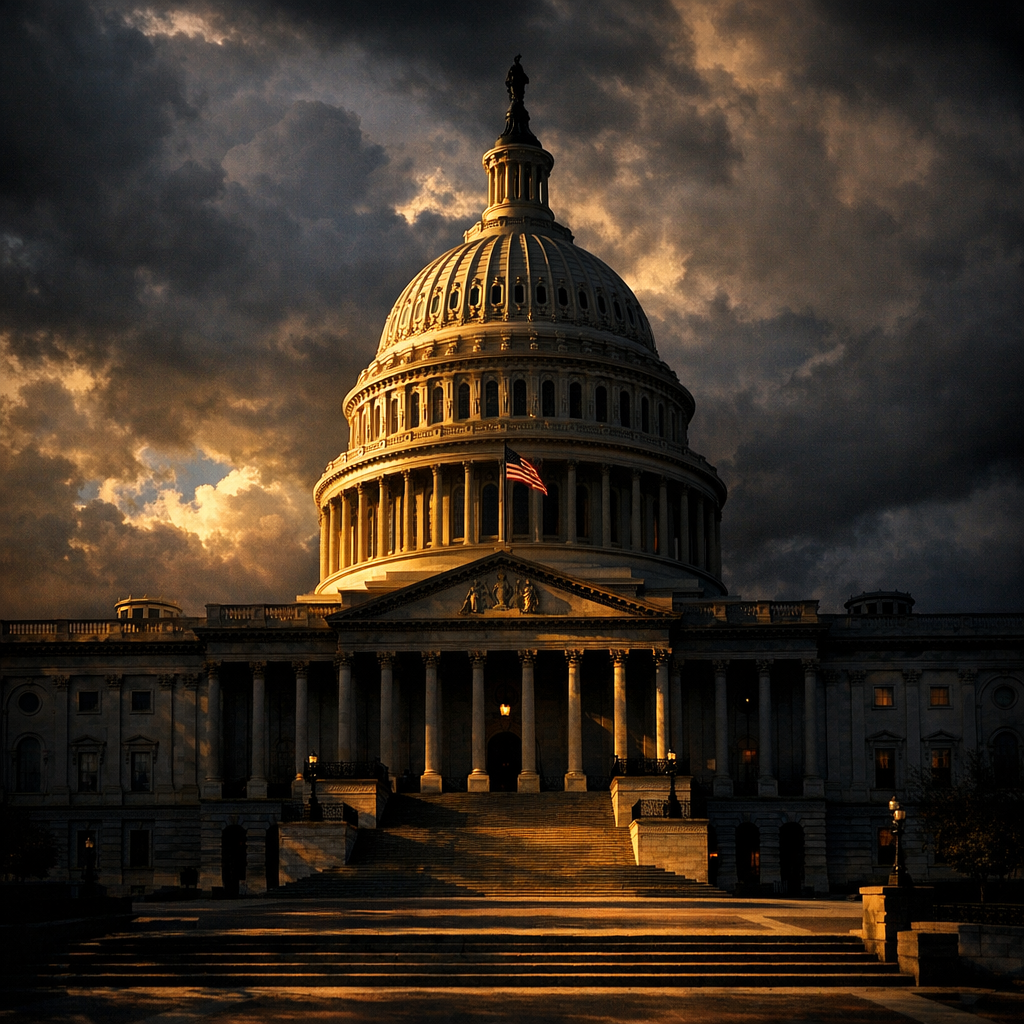
Across the United States, people are confronting a mix of economic stress and political shifts. While some reports show growth and low unemployment, the public’s confidence in tomorrow remains thin—putting pressure on leaders as the next elections near.
Economic Signals: Growth, Frustration, and Risks
Recent reports place U.S. economic growth at a tepid pace—about 1.5% to 2%—which keeps us below long-term trends. Despite that, the labor market has so far held up: unemployment remains near 4.3%, and many sectors continue hiring. But there are cracks forming—wages are lagging, hiring has slowed, and high prices for essentials like gas, food, and rent are a heavy burden for many households. The cost of energy, particularly amid global uncertainty, looms as a risk to both inflation and consumer morale. The Federal Reserve is keeping a close eye on whether inflation will shake out over time or require more aggressive interest rate responses.
Consensus from Tracking Institutions
Elsewhere, organizations like the OECD and international financial bodies forecast that while growth will hover around or just above 2% this year, risks are tilted toward downward pressure. Strong investment—especially in tech and AI—and productivity gains offer some cushion, but tighter immigration policies, higher tariffs, and supply chain headaches work against broad-based economic gains. Public debt as a share of GDP continues to rise, putting long-term pressure on fiscal options.
Politics & Power: Courts, Congress, and the Presidency
On the political front, the balance of power between branches of government is shifting. The Supreme Court has issued rulings expanding presidential authority over independent regulatory agencies, particularly changes that reduce Congress’s ability to shield agency heads from political removal. At the same time, some of the president’s signature policy ambitions—especially related to elections and voter ID—are creating sharp divides in Congress, even among members of the same party.
Midterm Elections in the Shadows
With the next midterms approaching, Republicans are under particular strain. They control both Congress and the White House, but internal disagreements—over legislation, procedure, or priorities—are slowing progress on key bills. For many voters, economic anxiety weighs heavily: surveys show a large share of Americans rate current conditions as fair or poor, even among those generally aligned with the president’s party. That gap between official indicators and everyday experience could have serious political implications.
What to Watch
- Inflation: Will rising energy and commodity prices trigger renewed or persistent inflatonary pressure?
- Legislation slog: Will Congress be able to pass meaningful reforms, especially in areas like voting laws, regulatory oversight, and spending, before the elections?
- Public sentiment: With confidence low, will dissatisfaction translate into voter turnout changes, partially shifting traditional alliances?
In Nashville and beyond, these national currents matter. Whether it’s your home budget, your vote, or your views of government, the tensions between economic uncertainty and political change are shaping what’s next for all of us.