

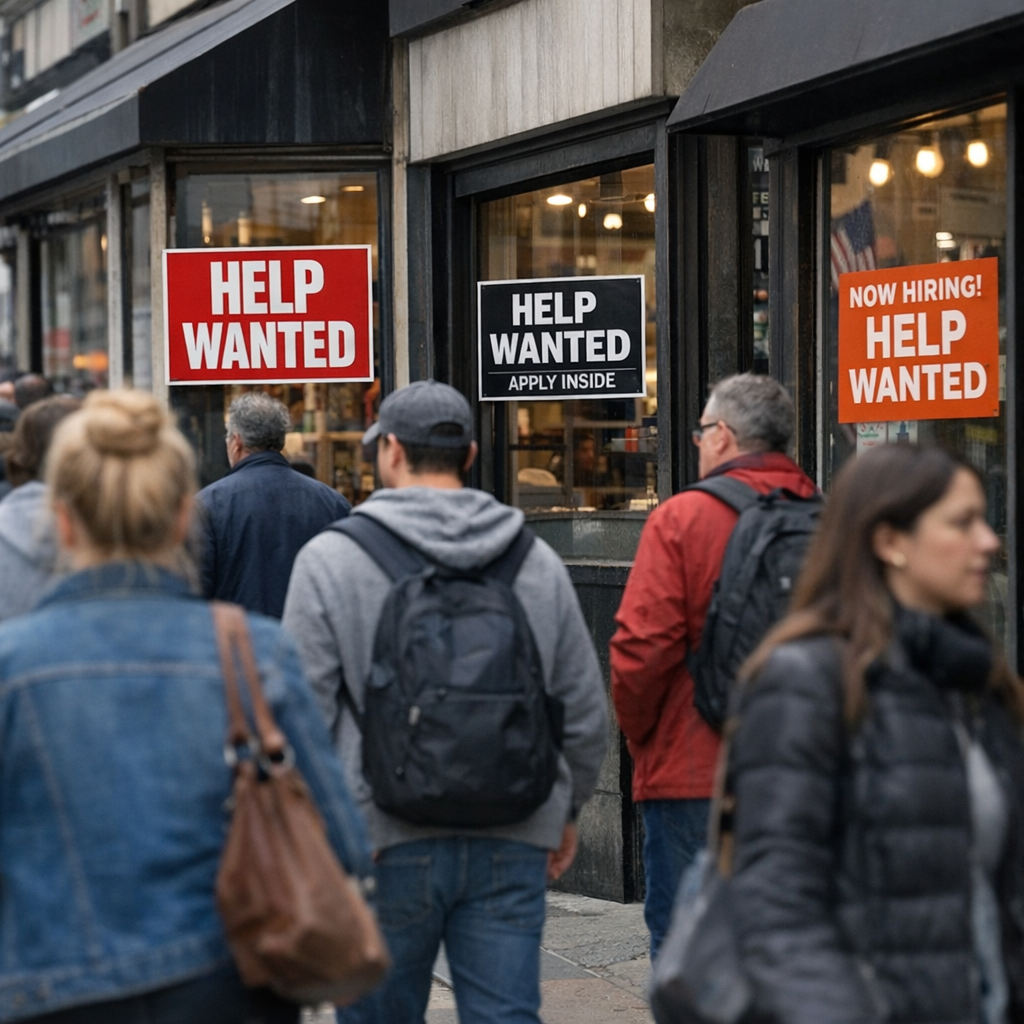
The U.S. economy is currently experiencing a period of significant fluctuation, marked by a combination of promising developments and emerging challenges. Understanding these dynamics is crucial for both policymakers and the general public.
Employment Trends
Recent data indicates a slowdown in job growth. In July, the economy added only 73,000 jobs, a notable decline from previous months. This trend suggests a cooling labor market, raising concerns about future employment opportunities and wage growth.
Inflation and Consumer Prices
Inflation rates have been on the rise, with the personal consumption expenditures price index increasing by 2.6% over the year ending in June. This uptick is partly attributed to new tariffs affecting imported goods, leading to higher prices for consumers. Items such as appliances, furniture, and toys have seen noticeable price hikes, impacting household budgets.
Gross Domestic Product (GDP) Performance
The nation’s GDP growth has also shown signs of deceleration. The first half of the year recorded an annual growth rate of less than 1.3%, a significant drop from the 2.8% growth observed in the previous year. This slowdown reflects broader economic uncertainties and may influence future fiscal policies.
Federal Reserve’s Stance
In response to these economic indicators, the Federal Reserve has maintained its benchmark interest rates. However, there is ongoing debate about potential rate cuts to stimulate growth. The Fed’s cautious approach underscores the complexity of balancing inflation control with economic expansion.
Looking Ahead
As the U.S. navigates these economic challenges, it is essential for stakeholders to stay informed and adaptable. The interplay between employment trends, inflation, and GDP growth will continue to shape the nation’s financial landscape in the coming months.