

By Sophia Anderson
Nashville continues to see major city-level improvements in transportation infrastructure, safety, and neighborhood connectivity through programs that were approved by voters and are now moving from plans into action.
Choose How You Move: Turning Vision Into Action
The voter-approved Choose How You Move initiative is delivering progress on multiple fronts. Sidewalks are being built and completed to close critical gaps, providing safer and more accessible walking routes. Smart signal upgrades are being installed along major thoroughfares and “pikes,” while transit service has expanded with more frequent buses, extended hours, and growth in WeGo Link zones. Safety improvements and Complete Streets projects are also underway.
One signature project is the Nolensville Pike All-Access Corridor, which will stretch roughly nine miles from downtown to South Nashville. Planned features include upgraded pedestrian crossings, bikeway connections, smart traffic signals, and corridor-wide safety enhancements crafted with community feedback.
Focused Corridor and Intersection Enhancements
Another major effort is the Gallatin Pike and Main Street project in East Nashville. It aims to transform a dangerous stretch of roadway—with a high incidence of crashes—into a safer, more complete corridor. Planned upgrades include improved crossings, intersection redesigns such as bulb-outs, refreshed school-zone signage, and optimized striping. Repaving is also expected along portions of the route later this year.
Street Light Retrofit & Capital Projects in Motion
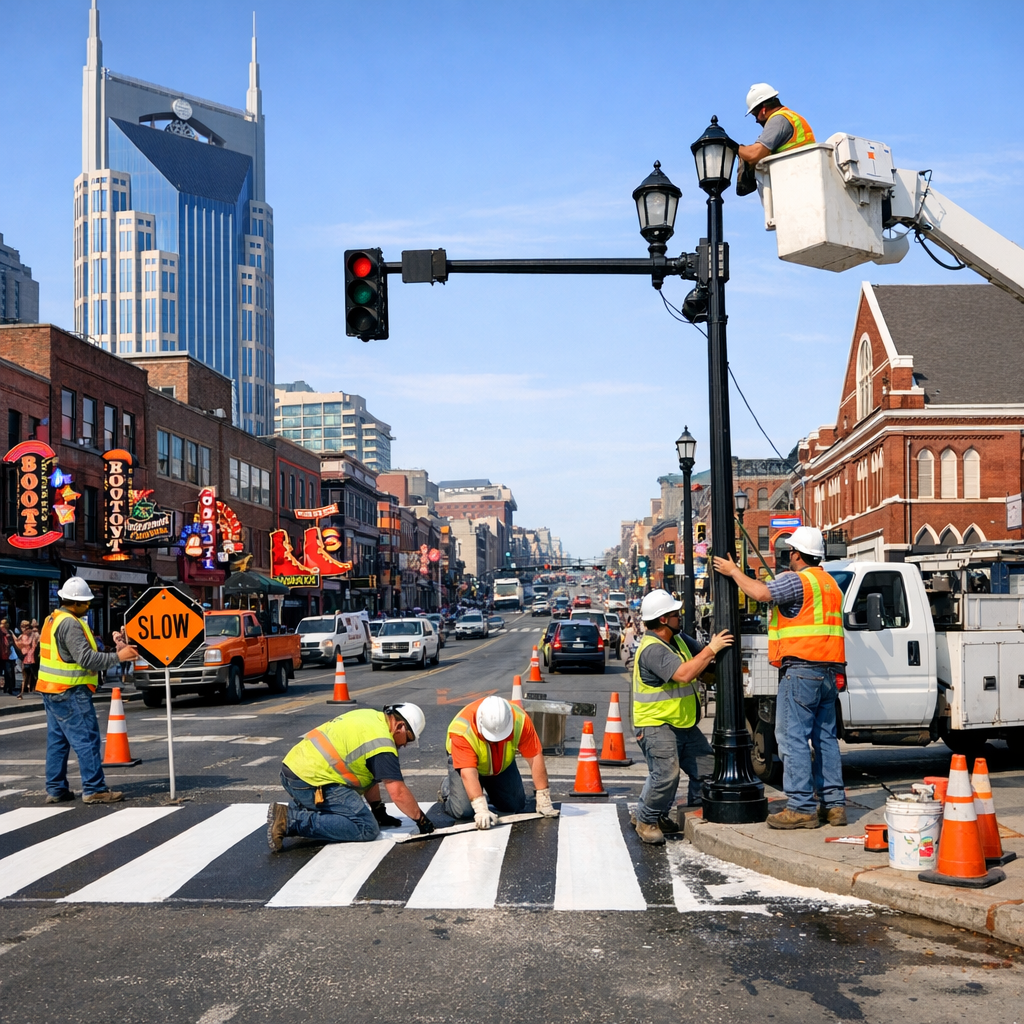
Nashville’s Department of Transportation and Multimodal Infrastructure (NDOT) is pushing forward a Street Light Retrofit Project in partnership with Nashville Electric Service, aiming to swap in LED lights for older fixtures. The project is expected to generate savings of about $20 million in energy costs over time, while reducing greenhouse gas emissions and improving visibility at night.
Capital‐scale projects currently in progress include the Church Street Complete Street Project; multiple sidewalk improvement efforts across busy pikes and residential streets; intersection redesigns; bridge repairs; and enhancements along roadways serving transit, pedestrians, and cyclists alike.
Community Engagement and Safety as Priority Drivers
Across all initiatives, Metro Government is putting special emphasis on involving residents. Public meetings, design input sessions, and interactive tools allow people who live and work near affected areas to share priorities and concerns.
Nashville is also responding to a rise in traffic fatalities, including pedestrian deaths, by implementing raised crosswalks, concrete safety barriers, and redesigning intersections to protect people walking or biking. These safety efforts are tied to broader policy goals that include equity and ensuring that transportation investments serve every neighborhood.
What to Know If You’re Affected
- If you use transit or walk regularly, map out ongoing sidewalk and signal upgrades—you may run into construction or street detours.
- Pay attention to Metro announcements and community meetings so you can share feedback or find alternative routes.
- If you live in dense or fast‐growing corridors, know that safety improvements and upgraded lighting may change traffic patterns, street access, or neighborhood character in ways you’ll notice.
With sustained investment and citywide coordination, these transportation and safety projects are redefining what everyday travel looks like in Nashville—and putting neighborhoods at the center of how the city moves forward.