

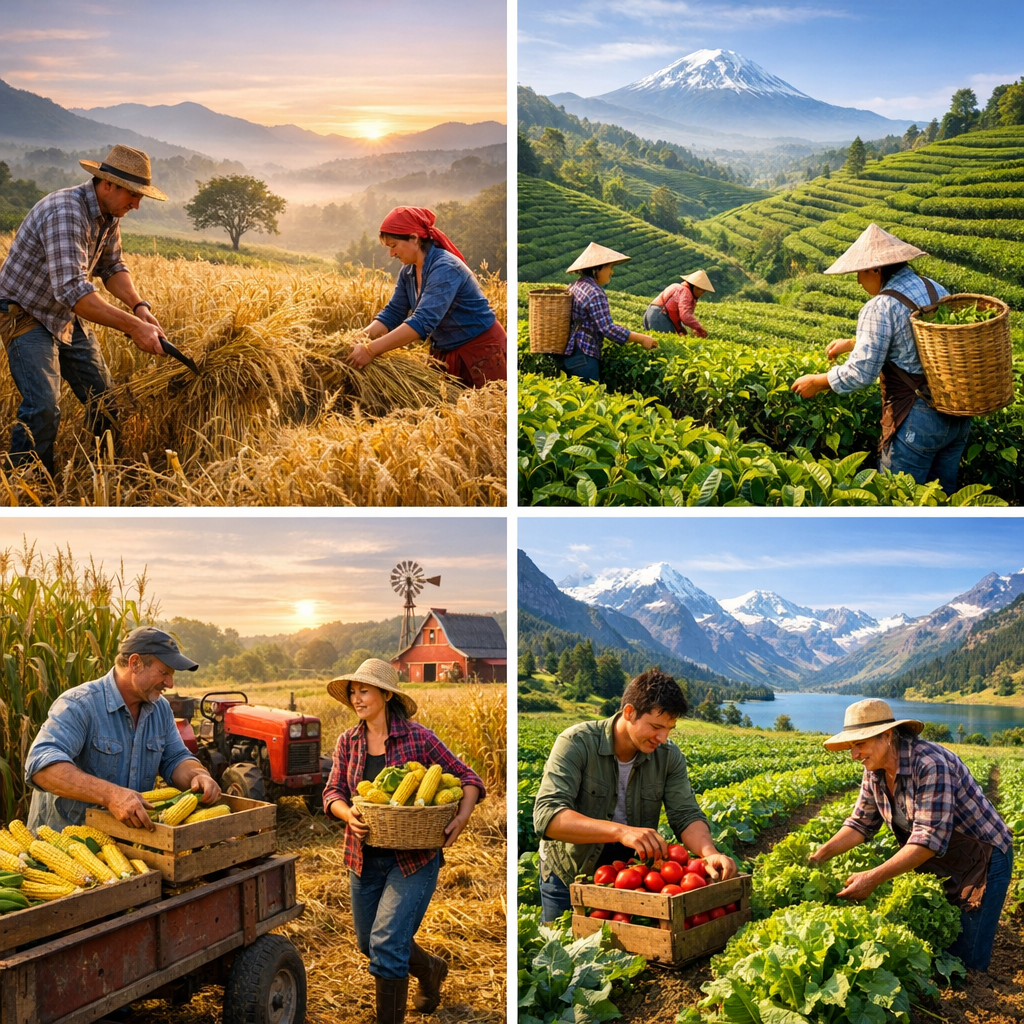
By Emily Johnson — Across the world, new United Nations reports show that global hunger and food insecurity are improving after years of severe strain. Yet while some milestones offer hope, the gap to ending hunger by 2030 remains sizable and under threat from several powerful forces.
What the numbers tell us
In 2025, approximately 7.8% of the global population—about 645 million people—were chronically undernourished, down from 8.1% in 2024 and 8.6% in 2022. This marks the third consecutive year of slight decline in global hunger.
Meanwhile, the share of people experiencing moderate to severe food insecurity dropped from 27.1% in 2024 to around 25.8% in 2025. But even with this progress, billions still struggle with access to nutritious, safe, and affordable food. These gains are fragile and unevenly spread.
Africa now has the highest number of hungry people of any region, and Western Asia is seeing rising levels of hunger even as some other regions show steady improvement.
Women and rural communities are consistently more affected.
Globally, cost remains a major obstacle: in 2025, over three billion people could not afford a healthy diet, with affordability especially poor in Africa.
Healthy diet costs also rose globally compared to previous years.
Drivers slowing progress toward “Zero Hunger”
1. Conflict and instability
Much of the severe food insecurity remains concentrated in countries facing protracted conflict. Wars, civil unrest and political instability disrupt production, displace communities, damage infrastructure, and drive up food prices. Regions already fragile are especially vulnerable.
2. Climate shocks and weather extremes
More frequent droughts, floods, heat waves, and erratic weather, often tied to climate change, are reducing yields in key food-producing regions. Early warning systems emphasize that these shocks are increasingly overlapping with economic stress and conflict, amplifying risk.
3. Affordability and supply chain stressors
Even where food is available, many cannot afford a healthy diet. Inflation, especially in energy, fertilizers, transportation, and post-farmgate sectors (like storage and processing), raises prices. Import dependence and trade disruptions in many low-income regions make people especially vulnerable.
Reductions in development assistance and humanitarian funding add strain to responses where help is needed most.
What strategies are helping—and what still needs action
Some successful interventions include social protection systems that cushion households during shocks; investment in smallholder farmers; support for climate-smart agriculture; and improved infrastructure (like roads, cold chains, and rural electricity) to reduce losses after harvest.
To keep momentum toward 2030 targets, experts say global leaders must:
- Strengthen early warning systems for hunger, especially in fragile states.
- Increase funding for food security and nutrition programs, ensuring aid reaches both emergency and development needs.
- Support policies that reduce the cost of healthy foods (through subsidies, efficient logistics, or reduced waste).
- Promote climate resilience in agriculture, so food systems withstand extreme weather and conflict-induced disruption.
- Address gender-based disparities and prioritize vulnerable populations.
Why it matters in Nashville and beyond
A city like Nashville—far from conflict zones—connects to these global trends in many ways. Local food prices are influenced by global commodity markets. Supply chain disruptions abroad can ripple through imports and affect what ends up on shelves. Displaced people fleeing hunger and violence abroad may come seeking refuge here, carrying complex needs. And beyond that, global food policy choices affect climate change, which in turn affects the weather patterns we live with—storms, heat, drought—even along the Cumberland.
In short: progress is possible, but not inevitable. To make hunger history, the world must hold onto the gains already made—and push harder to build food systems that are fair, resilient, and nourishing for all.