

By Emily Johnson
Food Insecurity: Progress, But Still Miles to Go
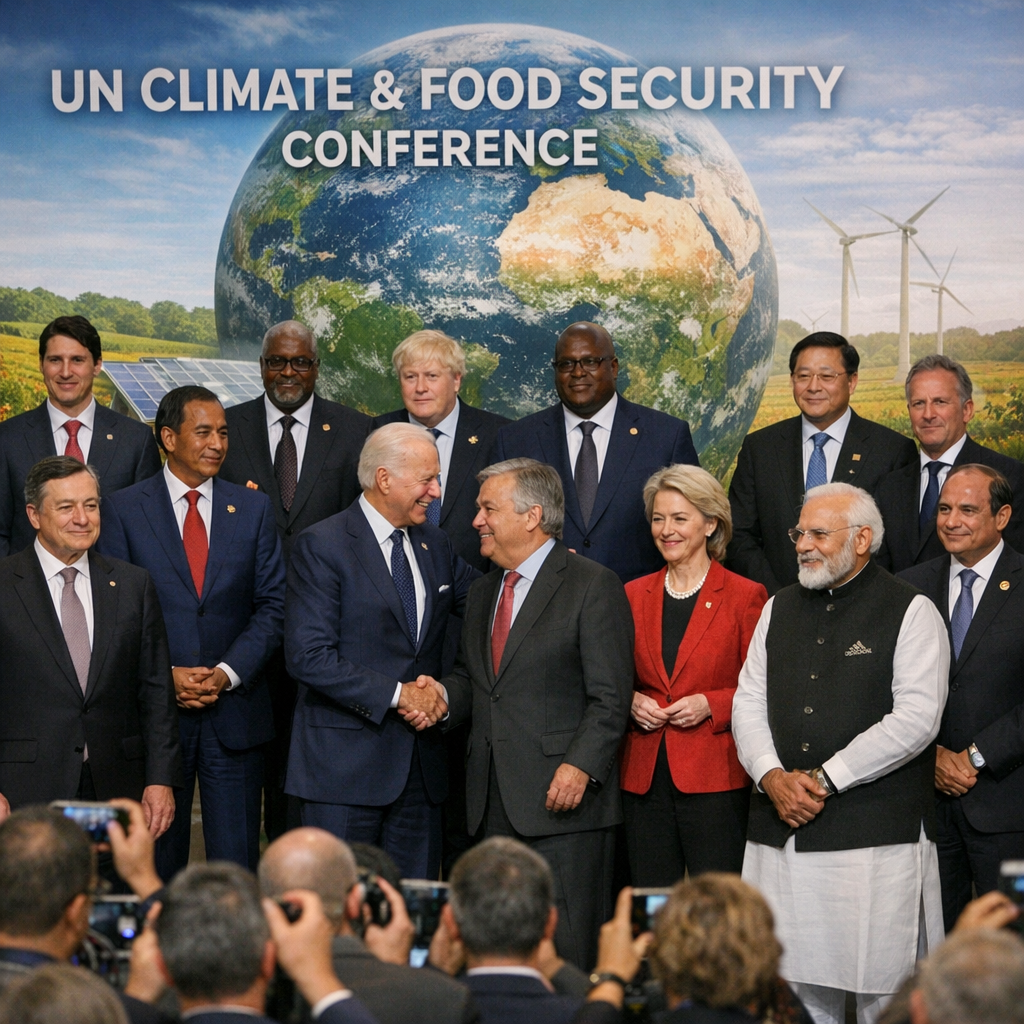
Recent reports from UN agencies and the World Food Programme show modest improvements in global food security, yet the pace is far too slow to meet targets set for 2030. Some key findings: in 2025, hunger affected about 7.8% of the world’s population. More broadly, 2.1 billion people—over a quarter of people globally—experienced moderate or severe food insecurity. The divide is particularly stark across regions, with Africa seeing the greatest challenges. Despite gains, many still cannot access nutritious diets.
Key drivers include escalating costs of healthy food, economic instability, climate-related disruptions, and armed conflict that undermines both food production and supply lines. Knowledge of what policies can work is growing: urgency exists around strengthening food systems, improving governance, and easing affordability barriers.
Climate Diplomacy Is Sharpening: Food at the Center
Food systems—long an afterthought in climate negotiations—are now gaining attention in international agreements. Efforts such as the UAE Declaration on Sustainable Agriculture, and the FAO Global Roadmap tied to the goal of ending hunger without breaching the 1.5°C warming threshold, show that climate, land use, nutrition, and biodiversity issues are being woven together into core policy tracks. These developments reflect growing recognition that environmental health and food security are deeply interconnected.
Still, challenges remain: many nations are not keeping pace with required emissions reductions tied to food systems, and there is tension about how to distribute responsibility fairly—particularly for low-income countries already bearing the brunt of climate impacts.
Migration Policies Evolving Amid Global Pressure
Migration policy is another hotbed of change. In OECD countries especially, policy reforms in 2024–2025 show two big trends: stricter rules in asylum and protection programs, and simultaneous expansion of labour migration pathways designed to match talent to existing labour shortages. Governments are adjusting quotas, tightening requirements, and often narrowing eligibility for asylum and family reunification.
Meanwhile, digitalization is smoothing application and processing systems, and bilateral or regional agreements are increasingly important tools. The intersection of climate change, conflict, and migration is pushing for new frameworks to address displacement caused by disasters, environmental collapse, or political instability.
What This Means for Global Cooperation—and What Nashville Can Watch
These issues are not just distant news—they reflect global pressure points that affect trade, supply chains, and economic stability everywhere, including places like Nashville. As cities and regions respond to inflation, supply disruptions, and climate-related migration, international decisions on trade policy, climate finance, and humanitarian assistance trickle down locally.
Underpinning all this is the need for strong global institutions and transparent, fair governance, which are increasingly being questioned as nationalist pressures rise. The effectiveness of future solutions depends on whether nations can balance sovereignty with shared responsibility, especially when it comes to funding climate mitigation, protecting refugees, and guaranteeing food access.
Looking Ahead
The coming years will test how well countries can work together under pressure. Key signals to watch include how climate-destabilized regions are supported, how agricultural emissions are regulated, and whether migration becomes more responsive to humanitarian need rather than political impulse. Incremental shifts are happening—but the stakes are high.