

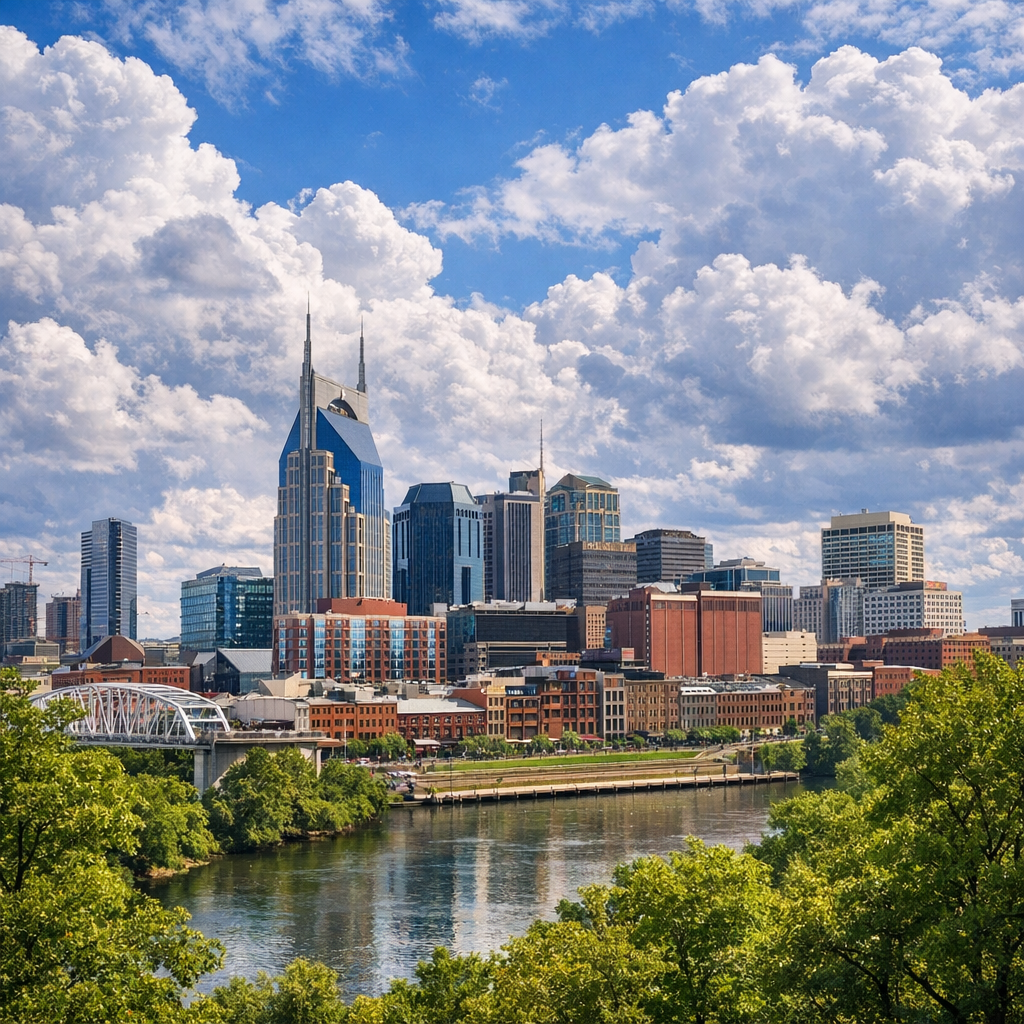
Here in Nashville, environmental changes aren’t just something we read about—they’re what we live. Across temperature, precipitation, and air quality, patterns shifting over decades are starting to alter daily life. We may not notice every cold front or heat wave, but the broader trends are becoming hard to ignore.
Warmer Winters and Fewer Freezing Nights
One of the clearest signs of change is how mild our winters are becoming. Nights that used to drop below freezing are now far less frequent. That’s more than just a comfort issue—it can affect plants, pests, and our local ecosystems in ways that ripple through spring and summer.
Rainfall: Less Often, More Intense
Nashville’s rainwater habits are shifting. We may not be getting wet more often, but when rain comes, it’s heavier. These sudden bursts of precipitation bring flood risks, erode soil, stress stormwater systems, and make leaving home riskier during downpours. At the same time, there are stretches that stay unusually dry, which strains water supply and raises wildfire concerns.
Air Quality: A Seasonal Story
Spring and early fall bring more than just beautiful foliage—they bring allergen spikes too, faster growth of pollutants, and sometimes dangerous levels of fine particles (PM2.5) or ozone. Nashville’s Metro Public Health Department works with state and federal partners to forecast these risks. For people who breathe asthma or heart-stroke risks, this isn’t just background noise—it’s health info that matters.
Urban Heat and Environmental Resilience
Concrete, asphalt, and tightly packed buildings make some neighborhoods significantly hotter—especially during strong summer heat waves. Areas without trees or green space tend to trap and radiate heat, while those with canopy cover stay relatively cooler. Since heat stress hits vulnerable populations hardest, our city is focusing on climate adaptation: improving green infrastructure, preparing for flash floods, and anticipating the strain on public health systems during extreme events.
What You Can Do
- Keep tabs on daily air quality and forecasts—know when to limit outdoor activity.
- Support or participate in local tree planting and green space preservation.
- Prep homes for both severe heat and heavy storms—good insulation, shade, and water drainage can go a long way.
- Stay connected with local climate initiatives—Nashville’s Climate Adaptation and Resilience Plan lays out public infrastructure and policy steps we all can influence.
Nashville’s environment is changing—and so are the stakes. But by understanding what’s shifting beneath the weather radar, we can build a city better equipped for what’s next.