

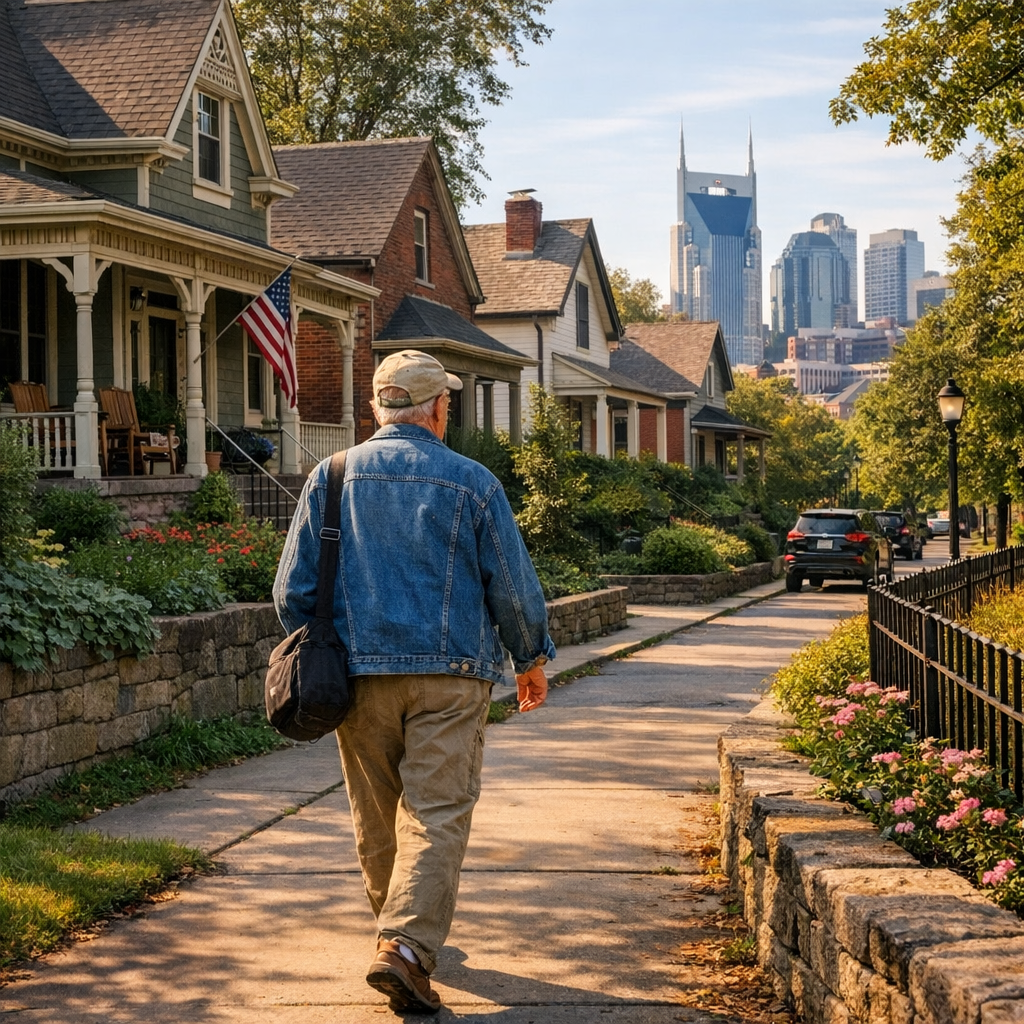
I’ve spent more years here than I can count—walking down 5th Ave, catching a Volunteer State sunset over the Cumberland, knowing the curve of Hillsboro Pike like the back of my hand. Nashville is my kind of city: rich in story, steeped in soul. But lately, I’m asking myself whether there’s still room for folks like me as the city changes fast.
The Rising Cost of Home
To say housing is expensive around here is to understate things. Maybe you’ve had that moment—when you scroll listings in East Nashville or Germantown and realise you’d need a second mortgage just to rent a closet-size apartment. Long-time residents around me are being priced out not just financially, but emotionally—family homes replaced, familiar faces gone, old gathering spots now glass and steel.
I’ve talked to folks who’ve lived here thirty years or more. Some were born here. Others came for community, music, work, love. But all share a sense that the city they know—the wrapped porch evenings, the neighbor-turned-friend kind of kindness—is slipping away. They love this place, but the cost of staying is stacking up: property taxes, rent, commute, childcare, groceries. And the wage growth? It doesn’t feel like enough.
When Belonging is Under Strain
What does it mean to belong? For me, it’s knowing your neighbors, recognizing your street, being known by places—old sanctuaries, favorite bars, local grocery shops. But when shops close, or landlords sell to developers, or run-down homes are torn down, there’s loss that no data point will catch.
Community surveys I’ve seen echo this: people across neighborhoods say they feel a strong sense of community, but they don’t always feel included in the city’s shared gains. It hurts when your voice isn’t heard, when public meetings are scheduled at times people can’t attend, when plans are made in offices without people on the ground. The “belonging” that once came naturally now feels like something to advocate for.
Keeping Roots Strong While Growth Rages
I’m not against building, development, new faces in the city. Nashville is at its best when it’s alive, diverse, dynamic. But growth doesn’t need to erase history—mine or yours. Here are a few things I believe matter:
- Policies that preserve affordable housing without sacrificing safety or dignity.
- Investment in local meeting spaces—parks, community centers, church halls—places where people can reconnect across generations.
- Transparent planning processes that reach beyond civic elites. Let folks on fixed incomes, in retrofit homes, or those shadowed by change help shape what comes next.
- Celebration of local culture—not just in income brackets but in traditions, dialects, favorite musicians, church choirs, community gardens.
No Easy Fixes, but Plenty of Hope
I won’t pretend this is easy. It’s wrenching when someone who raised you to love this city is forced to leave. It’s deflating when “affordable” is redefined upward until it’s no longer possible. But I also see people organizing—neighbors forming coalitions, nonprofits fighting for housing rights, planners beginning to ask, “Who is being left out?”
Belonging may feel elusive these days, but it doesn’t have to be. We can still hold space for our stories, for our birthplaces, and for our futures. Maybe that’s what being a Nashvillian has always meant: making a place that’s changing, still feel like home.