

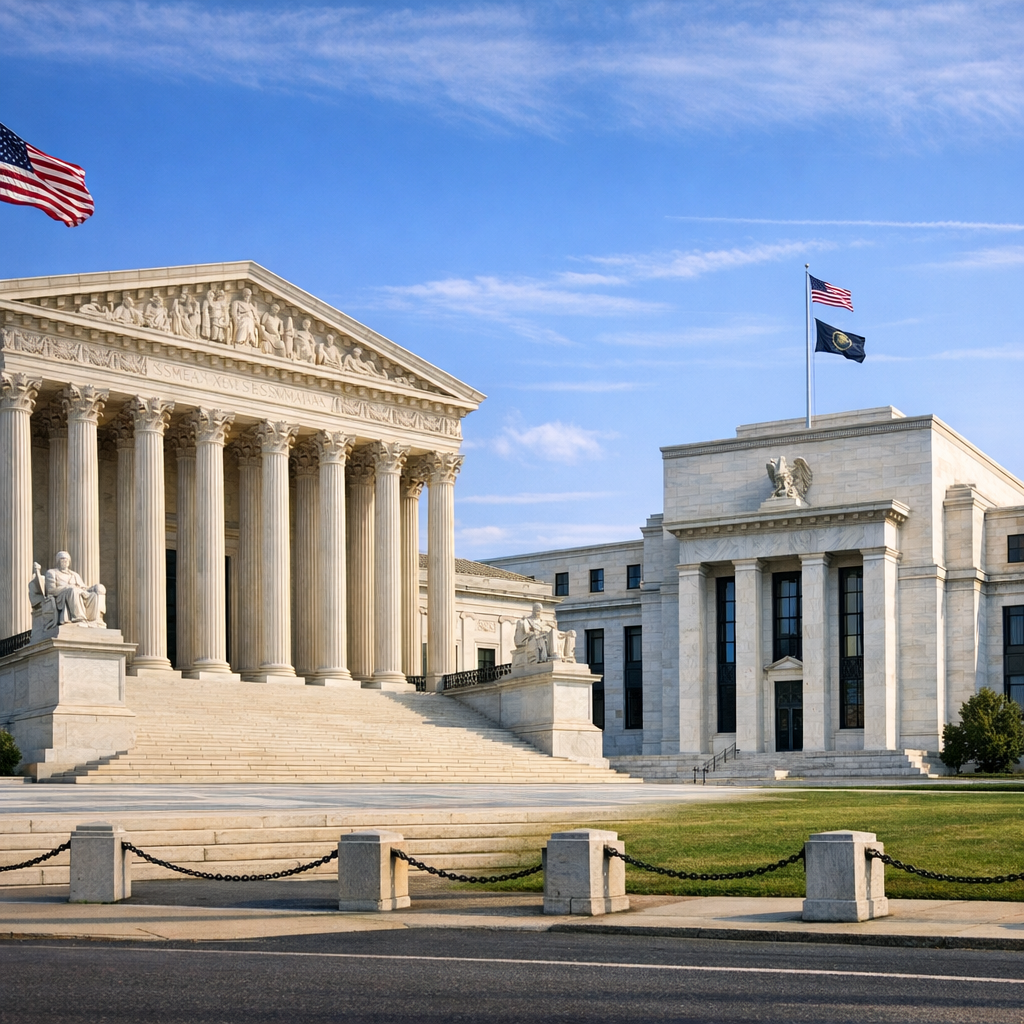
Persistent Inflation and Economic Pressure
The U.S. is grappling with inflation that refuses to fade fast, pushed higher by lingering supply chain disruptions, escalating energy costs, and a surge in investment tied to artificial intelligence. Recent reports show inflation is well above the Federal Reserve’s target, nudging borrowing costs higher and increasing pressure on households across the country.
In some sectors, particularly housing, inflation has accelerated—partially due to delayed statistical adjustments. Meanwhile, index measures closely watched by policymakers have remained elevated even as headline inflation shows signs of cooling, underscoring how widespread cost pressures continue to burden consumers.
Policy Shifts: The Fed and Fiscal Watchfulness
Federal Reserve officials are now openly discussing further rate hikes this year, citing concerns that inflation may re-accelerate without continued monetary restraint. After keeping rates steady recently, some decision-makers believe more tightening may be needed to keep inflation from becoming entrenched.
On the fiscal side, inflation’s trajectory is becoming a political battleground. With consumers facing shrinking real wages, tax policies and spending decisions are under greater scrutiny. Lawmakers are being pushed to balance relief for everyday expenses with responsibilities over national debt and long-term fiscal stability.
Supreme Court Rulings Shape Power and Rights
The Supreme Court’s recent-term judgments have struck a mix of wins and losses for President Trump’s agenda. The Court upheld birthright citizenship under the 14th Amendment, a decision that pushes back against executive overreach in immigration policy. At the same time, it expanded presidential power by allowing the removal of certain agency heads without clear cause—marking a significant shift in how independent federal agencies can be governed.
Other decisions have lowered barriers for political spending by major donors, while reaffirming the need for due process in how constitutional rights apply to executive actions. These rulings could have lasting influence on elections, campaigns, and democratic norms.
Looking Ahead: What To Watch
- Economic data: Key metrics like consumer spending, employment rates, and core inflation will guide decisions at the Fed and on Capitol Hill.
- Legal challenges: As new executive actions are proposed, Supreme Court precedents will play a pivotal role in shaping limits on authority.
- Election dynamics: With major elections looming, court rulings, inflation pressures, and economic anxieties will dominate messaging from both parties.
For Nashvillians and Americans alike, the intersection of economy, law, and politics is more relevant than ever. As national institutions pivot, the effects ripple down—from price tags at the grocery store to the balance of power in Washington.