

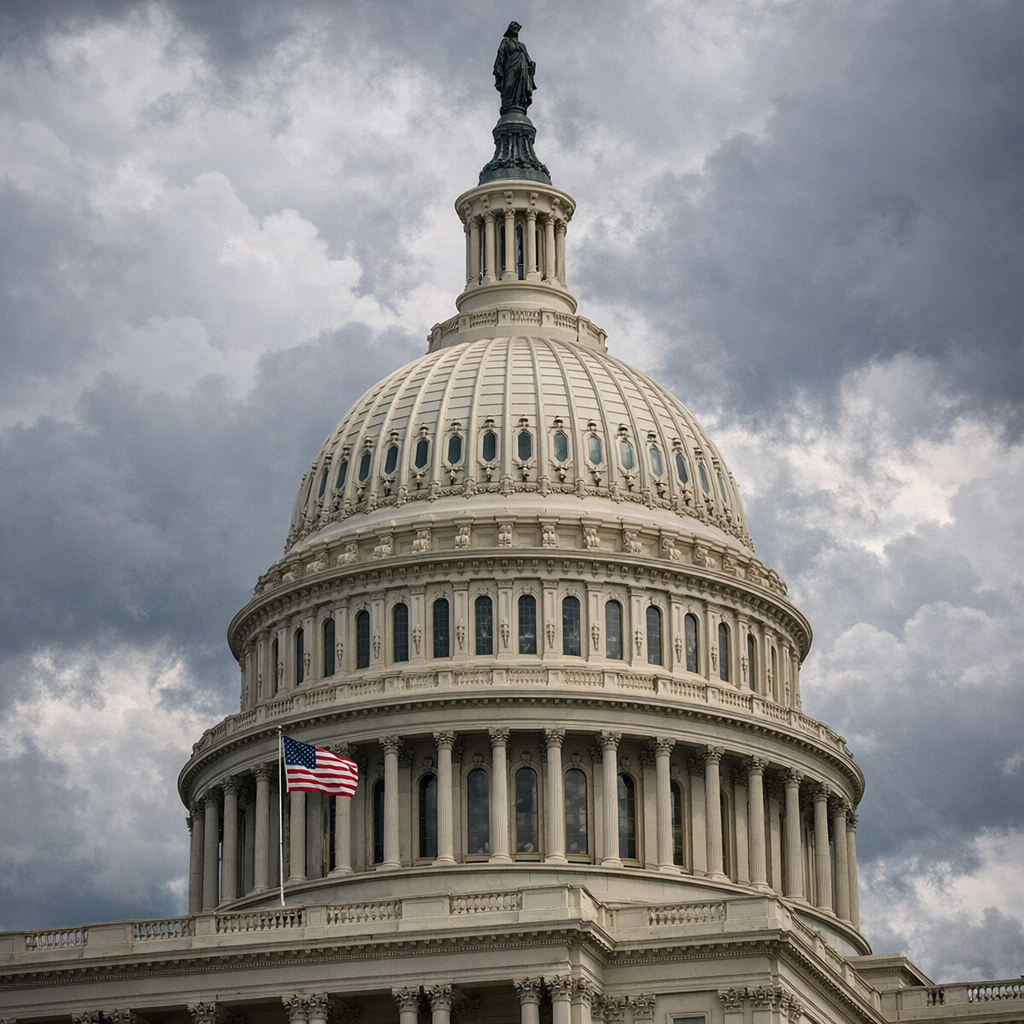
WASHINGTON — As the United States heads into another election season, the nation grapples with converging pressures: on average paychecks aren’t keeping pace with higher costs, courts are shaping key policies around elections and immigration, and many Americans view the economy with concern.
Economic Pain and Discontent
A recent survey from the Conference Board found that public confidence in the national economy has dropped to lows not seen since 2014—reflecting growing anxiety over inflation, energy bills, and housing costs. Despite unemployment hovering near historic lows, many households report their income slipping behind rising expense levels.
Meanwhile, economists warn that borrowing costs remain elevated. The Federal Reserve has signaled concern about persistent inflation, and there’s the risk that any misstep in rate decisions could plunge interest-sensitive sectors—housing, small business—into further strain.
Supreme Court: Power, Policy, and the Rules of Voting
The Supreme Court has issued decisions in recent months that directly affect election law, executive authority, and rights. A high-profile ruling affirmed that limits on campaign spending by political parties and state election rules on mail ballots are set to endure. Another case upheld birthright citizenship under the 14th Amendment, rejecting presidential efforts to curtail it.
On another front, the Court allowed a revised voter-verification tool—relied upon by states to confirm citizenship—to be used for now, even as critics argue it risks unfair purges of eligible voters ahead of the midterms.
Immigration and Oversight Battles
Immigration remains a volatile field in national politics. The Supreme Court temporarily greenlit “third-country deportations,” allowing migrants to be expelled to nations other than their own while the legality of the policy is reviewed. States seeking to retain current mail ballot practices also received relief when the Court blocked new restrictions proposed by the administration.
Concurrently, watchdogs and courts are pushing back on executive power. The Government Accountability Office warned that the President cannot indefinitely withhold over $800 million in funds approved by Congress. And in a long-running dispute over the lawfulness of certain deportation flights, an appeals court expressed deep skepticism of federal arguments defending them.
What This Means Going Forward
With midterm elections weeks away, these issues aren’t abstract—pocketbook concerns may translate directly into votes. The growing divide between economic realities for average Americans and broader indicators like a low unemployment rate complicates political messaging for leaders.
Legal decisions made this term affect who votes, how, and under what rules—echoing across states where election laws and policies are already heavily contested. And as court rulings and executive actions intersect, the balance of power between branches of government is increasingly under scrutiny.
For communities like Nashville, where political sentiments are diverse and economic pressures intense, these national narratives will shape what voters ask from candidates—and what they expect from the next administration.