

By Michael Williams
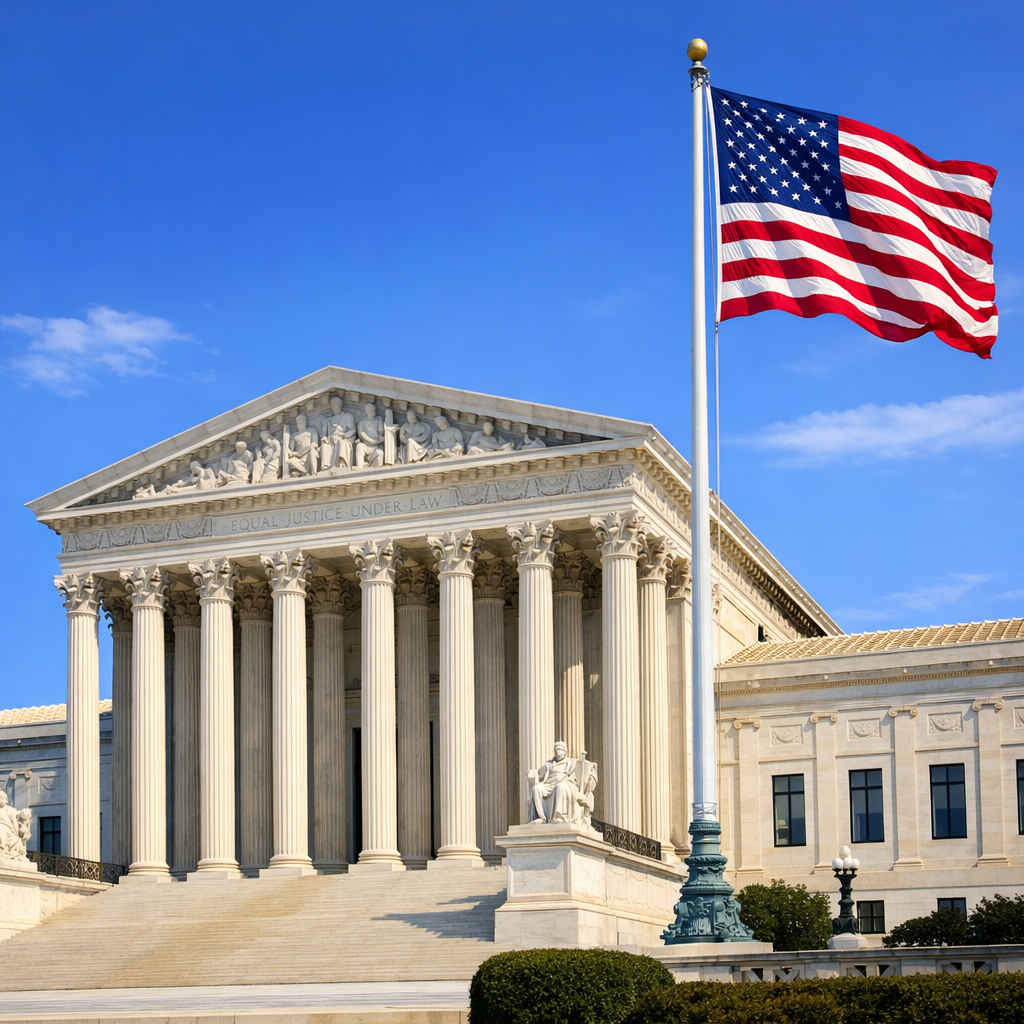
In recent months, national headlines have been dominated by transformative decisions from the United States Supreme Court and by economic indicators that are keeping Americans on edge. Here’s a roundup of what’s changing at the highest levels of power—and what it could mean for people in Nashville and beyond.
Rebalancing Presidential Authority
The Roberts Court has delivered several rulings that, together, expand presidential power across multiple fronts. One of the most consequential: a decision affirming the president’s ability to remove the heads of certain independent federal agencies. This ruling upends legal precedent and cements broader executive control over agencies that some argued should operate with insulation from political pressure. Still, not all sought-after powers were granted: the Court ruled that the Federal Reserve remains protected against political removals under existing safeguards.
Birthright Citizenship Upheld
In a key case known as Trump v. Barbara, the Court reaffirmed that the Fourteenth Amendment guarantees birthright citizenship to nearly all children born on U.S. soil. The decision struck down an executive order that had sought to repeal that guarantee for children of parents who are undocumented or have temporary status.
In its reasoning, the Court held that citizenship-of-birth has long been understood and interpreted under the Constitution and case law in ways that make it “virtually automatic.”
Economic Trends: Slowing Growth, Lingering Inflation
The economic picture is mixed. The latest reports show U.S.
economic growth slowing—GDP rose just 1.5 percent in the second quarter, down from earlier rate estimates. While some sectors, especially certain parts of the private sector, are growing more robustly, government spending and trade figures are dragging overall growth below expectations.
Worryingly for many households, inflation remains well above the Federal Reserve’s 2 percent long-term target. Costs for essentials like energy and food are still rising, driven in part by international conflicts and supply chain pressures. At the same time, joblessness remains modestly above its lowest points, and average wages—adjusted for inflation—are not keeping pace with many price hikes.
What These Shifts Mean Locally
For those of us living in Nashville and similar communities, the Court’s rulings could lead to more presidential influence over federal regulations that touch everyday life—from health and environmental rules to labor and workplace protections. That might mean faster policy changes but also legal uncertainty as new rules are clarified—or challenged in other courts.
On the economic front, the impact is more immediate. Rising costs are squeezing family budgets: housing, food, and energy are areas where many are already feeling financial strain. Meanwhile, slower economic growth suggests fewer job opportunities and less cushion for workers facing layoffs or reduced hours.
Looking Ahead: Watchpoints for the Months to Come
- How agencies respond to expanded executive power—and whether Congress moves to rebalance oversight.
- The direction of inflation: whether it continues to ease or unexpectedly rebounds due to global pressures or domestic shocks.
- Legislation that could attempt to modify or clarify birthright citizenship and related policies.
These aren’t issues that stay heady or remote; they ripple outward, affecting access to rights, cost of living, and the sense of security and fairness in the system. As these transformations unfold at the top, it’s worth paying attention down here where they hit home.