

By Emily Johnson
Hunger and malnutrition around the world have shown small signs of improvement—but the overall picture remains alarming. Global food insecurity is deeply entrenched, and the path toward eliminating hunger by 2030 is growing steeper.
Current Trends in Food Security
According to the Global Report on Food Crises (2026), around 266 million people—about 22.9% of the population in crisis-affected countries—faced acute food insecurity in 2025. That number has held at high levels since 2020. Two famines were officially declared during the same year (in parts of Gaza and Sudan), a rare and deeply troubling development.
Meanwhile, the State of Food Security and Nutrition in the World report places undernourishment at 645 million people globally—about 7.8% of the world’s population. Although that’s a gradual improvement over recent years, the decline is uneven. Some regions—especially in Sub-Saharan Africa and Western Asia—are seeing hunger increase despite global gains.
Main Drivers Behind the Crisis
Conflict and Instability
Persistent war and political instability are fueling food crises. Conflict disrupts farming, displaces communities, and blocks aid delivery. In areas like Gaza, South Sudan, and parts of Africa, conflict remains the main factor pushing people toward extreme hunger.
Climate Extremes and Shocks
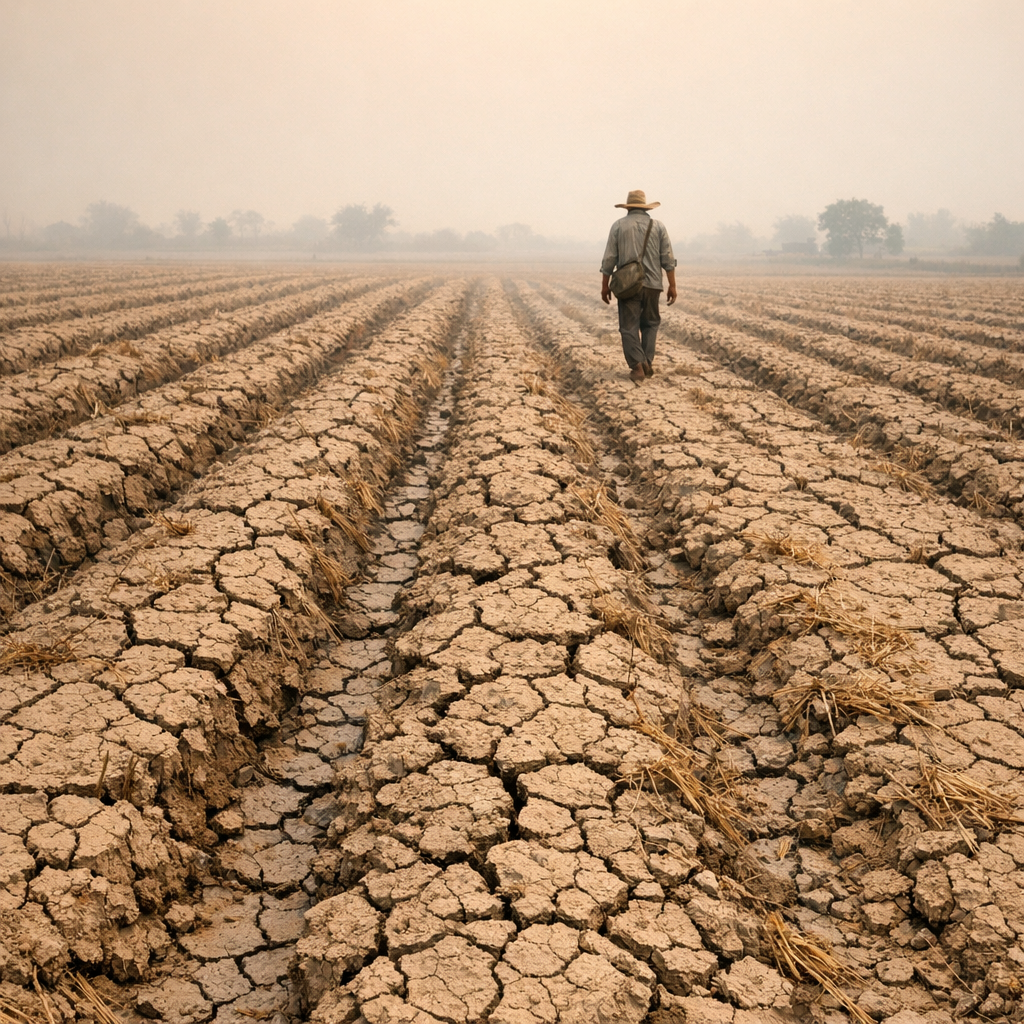
From droughts to unpredictable weather swings, climate disruptions are reducing crop yields and destabilizing livelihoods. These shocks compound existing vulnerabilities, especially in regions with little margin for error in agricultural systems.
Economic Pressure and Market Volatility
Rising prices for food, fertilizers, fuel, and transport are squeezing budgets everywhere. For families already living on the brink, even modest increases make healthy food unaffordable. Global trade disruptions—especially those tied to conflicts—have pushed up input costs and made food supply chains more fragile.
Challenges to Progress
Progress toward zero hunger is being hampered by several overlapping challenges:
- Declining international aid and funding: Humanitarian assistance and nutrition programs are seeing funding levels drop to those seen almost a decade ago, limiting response capacity.
- Displaced populations: Forced displacement—whether due to conflict or environmental disasters—leaves people with fewer resources, reduced access to aid, and higher vulnerability to hunger.
- Uneven improvements: Some regions are making steps forward, but others lag behind. Progress in child nutrition, agricultural productivity, and resilience is inconsistent.
What Can Be Done—Pathways Forward
There are no simple fixes—but both urgent and long-term actions can help reduce hunger globally:
- Scale up investments in resilient food systems: That means improving agricultural practices that can withstand climate change, making supply chains more robust, and supporting smallholder farmers who are heavily exposed to risk.
- Protect and expand social safety nets: When conflicts or shocks hit, social protection programs—like cash transfers or nutrition assistance—can help reduce harm, especially for children and women.
- Strengthen humanitarian response: Ensuring stable funding and better logistics for aid delivery—especially in conflict zones—is essential.
- Address the root causes: Long-term peacebuilding, climate adaptation, and equitable economic development all play a role in preventing food crises before they begin.
Why This Matters for All of Us
Even in Nashville, global food insecurity has relevance. Disruptions in global markets can affect food prices at home, and climate hardships elsewhere can drive migration and political instability. The world’s hunger challenge is interconnected—what happens thousands of miles away may ripple into our lives here.
Ending hunger by 2030 is still possible—but only if global cooperation, funding, and policy change move faster than the crises mounting today. Conversations must shift from sympathy to strategic action.