

By Emily Johnson
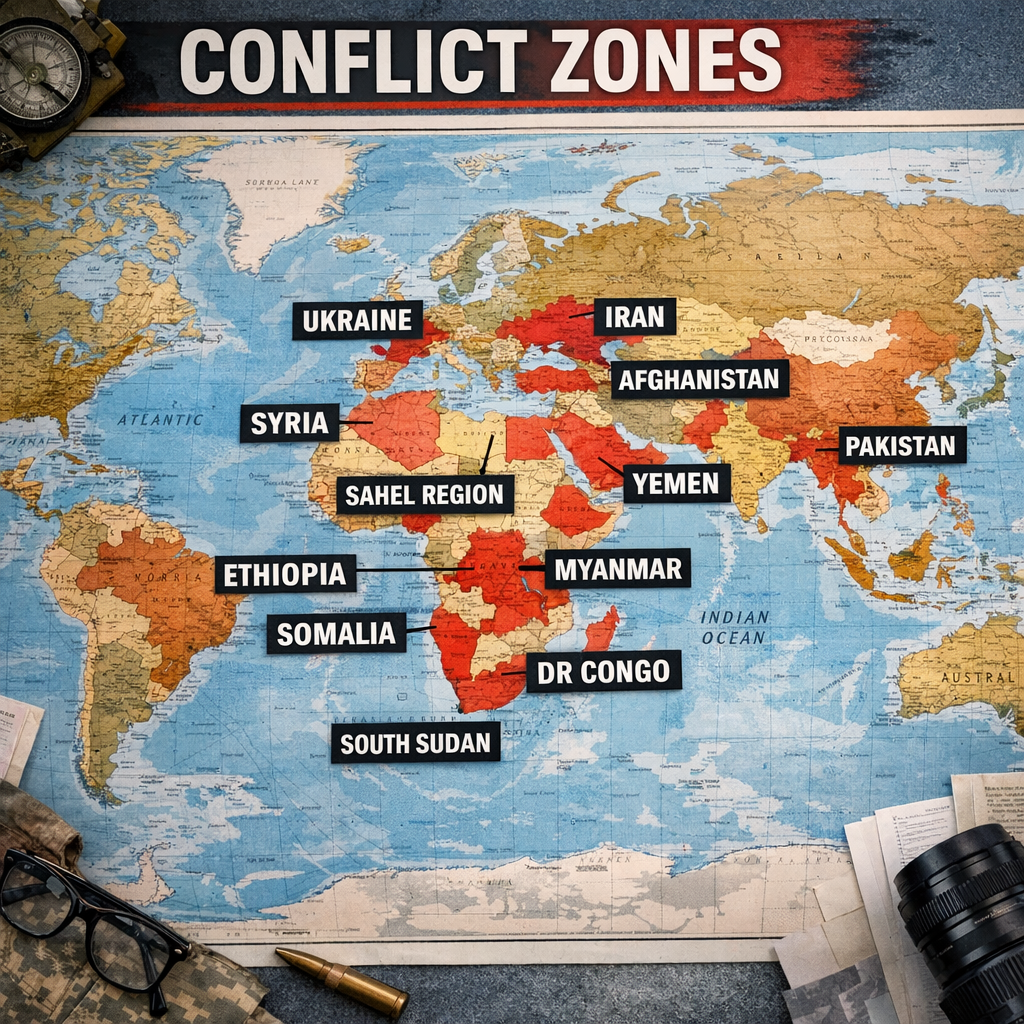
From Nashville to Manila, international conflicts shape our shared future in ways that reverberate through global food supplies, energy prices, and diplomatic stability. Here’s a guide to where things stand across some of the world’s key hotspots — and how they may evolve.
Where Tensions Are Rising
Middle East – Iran, Israel, and Beyond
Military operations between Iran, Israel, and U.S. forces continue to escalate. This has increased uncertainty in energy markets, disrupted shipping through strategic waterways like the Strait of Hormuz, and raised concerns about spill-over impacts for neighboring countries. Regional ceasefire talks have been stretched thin, and rhetoric often overtakes stability efforts.
Eastern Europe – The Ukraine Conflict
Ukraine remains under frequent long-range missile and drone attacks that strain its power grid, infrastructure, and civilian life. Despite international support and diplomatic efforts, the conflict shows no signs of resolution soon. The humanitarian dimensions — displacement, economic challenges, rebuilding — grow increasingly urgent.
Africa & Asia – Conflict and Fragility
Civil war in Sudan has taken on an international dimension, with foreign groups involved and massive displacement. In the Sahel, violent extremism has surged. Myanmar, too, remains mired in civil conflict, with armed groups challenging government control. These crises deepen instability, human rights concerns, and regional spillovers.
Why It Matters to Us
Conflicts in far-off regions affect us here in multiple ways:
- Supply chains & energy. Disruptions in shipping routes like the Bab el-Mandeb or the Strait of Hormuz can push global energy and food prices higher.
- Migration & humanitarian aid. Refugee flows strain neighboring countries and ripple across continents. Global aid needs are growing fast.
- Geopolitics. As tensions rise, alliances shift — with nations balancing diplomatic, military, and trade pressures.
Paths Toward De-Escalation & Stability
Despite challenges, several efforts offer hope:
- International mediation and negotiation remain central. External actors are pushing for ceasefires, diplomatic talks, or multilateral interventions.
- Monitoring by organizations tracking conflict escalation (including drone warfare, food access, and displacement) helps shape more informed global responses.
- Increased investment in early warning systems, climate resilience, and infrastructure is proving critical to prevent conflicts from worsening.
Staying informed about the trajectory of these conflicts matters not just abroad but at home. The choices made now in diplomacy, aid, security policy, and international cooperation will define how much the world atmosphere heats up — literally and figuratively — in the years to come.