

By Sophia Anderson
Nashville city leaders are advancing major initiatives to address long-standing challenges—affordable housing shortages, transit reliability, and conserving natural areas—all while balancing rapid growth and quality of life.
“Choose How You Move” Brings Visible Changes to Transit and Mobility
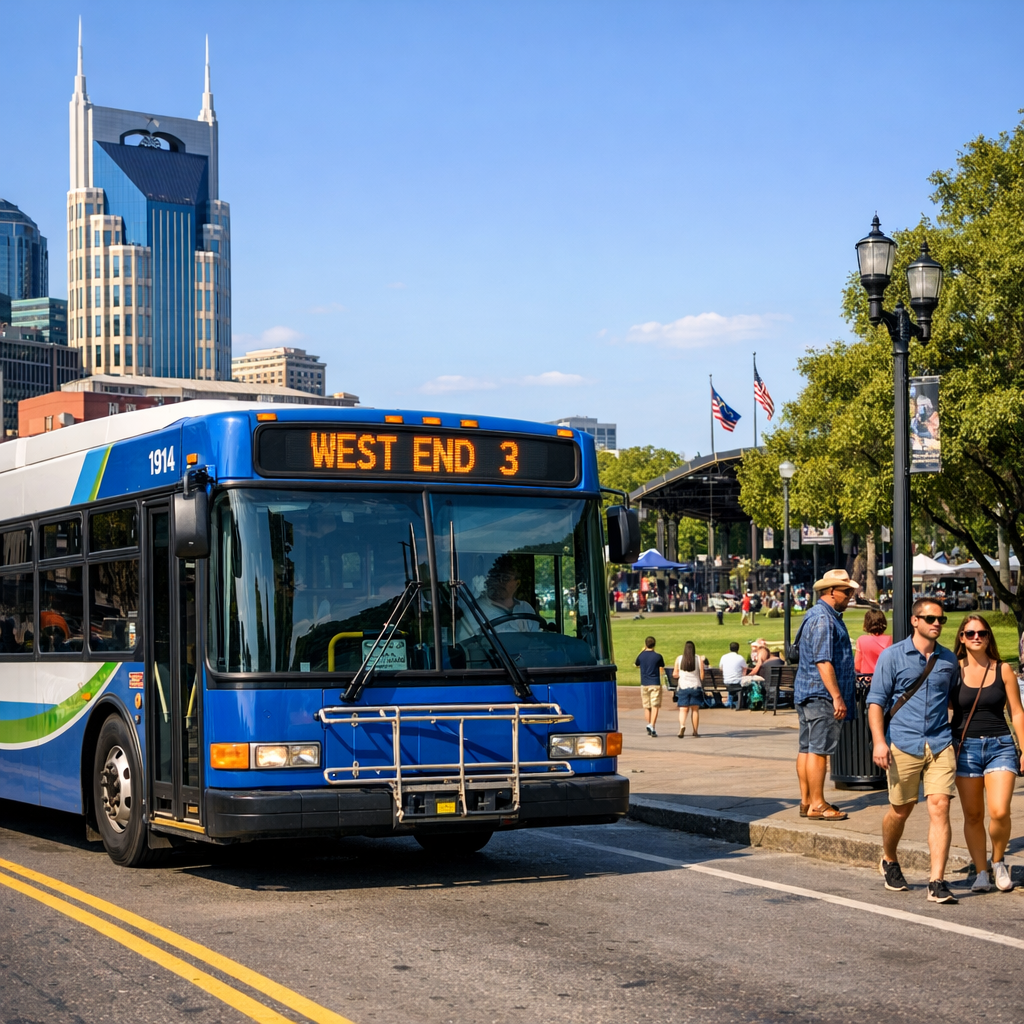
Voters approved the “Choose How You Move” plan in November 2024, creating dedicated funding for multimodal transportation improvements. The program is delivering on promises: expanded bus services including extended hours and new service zones; safer streets through Complete Streets upgrades; and “smart signals” and transit improvements aimed at reducing congestion. Funding has already launched over $160 million in projects focusing on sidewalks, signals, service, and safety. A notable development: planning has officially begun on the Nolensville Pike All-Access Corridor, which will span roughly nine miles from downtown to South Nashville—bringing transit, pedestrian, and safety improvements to one of the city’s busiest routes.
Housing Affordability Ramps Up in Policy Priority
With housing affordability topping community concerns, Nashville’s Unified Housing Strategy has helped fund the creation or preservation of nearly 3,000 homes so far. Moreover, the mayor’s office is testing an affordable housing bond: an initiative currently funded at $7 million in the city budget but designed to grow into a larger-scale tool if early results are promising. Leaders say this bond could become a central instrument to meet Nashville’s housing needs.
Protecting Natural Resources While Planning Growth
The rapidly growing city is also moving to protect what’s valued most—green spaces, waterways, and forested hilltops. Metro Planning has launched its first Ecological Conservation Strategy in more than a decade to guide long-term decisions about the natural landscape. Over the next 18 months, residents and stakeholders will help shape priorities, including conservation pilots, ecosystem health assessments, and policy changes to prevent overdevelopment in sensitive areas.
Legislative Moves and Local Governance
Mayor Freddie O’Connell’s administration has introduced legislation for multiple priorities. These include transitioning Nashville’s non-emergency vehicle fleet to fully zero-emission by 2050, streamlining entertainment commission administration to better support the creative sector, and pushing for childcare permitting reforms to make opening and operating centers easier. On the Council level, a rezoning plan under consideration for the former East Nashville scrapyard reflects how growth, housing, and land use debates are increasingly central.
Looking Ahead: What to Watch
- How quickly the Nolensville Pike corridor project moves from planning to construction.
- Whether the affordable housing bond can be expanded beyond its pilot phase.
- Outcomes from the Ecological Conservation Strategy and how it affects development regulations.
- Progress on reducing carbon emissions from city vehicles and other sustainability benchmarks.
As Nashville continues to grow, its leaders are taking steps to ensure that transit works for all, homes remain affordable, and natural spaces are preserved. None are effortless, but together they form a roadmap for a city striving for balance.