

By Michael Williams
Sticky Prices, Rising Rates
The Federal Reserve raised its benchmark interest rate, pointing to continued inflation even as growth slows. Prices are rising faster than wages, particularly for everyday items and imports. Experts say tariffs, energy price swings tied to conflict, and investment in artificial intelligence are fueling the squeeze. While inflation has begun to cool slightly for some inputs like energy, overall prices remain well above the 2% target the Fed aims for. Supply chain shifts and policy decisions at home and abroad continue to shadow what Americans pay at the grocery store, for gas, and on bills.
Courts Expand Executive Power; Voting Rule Overturned
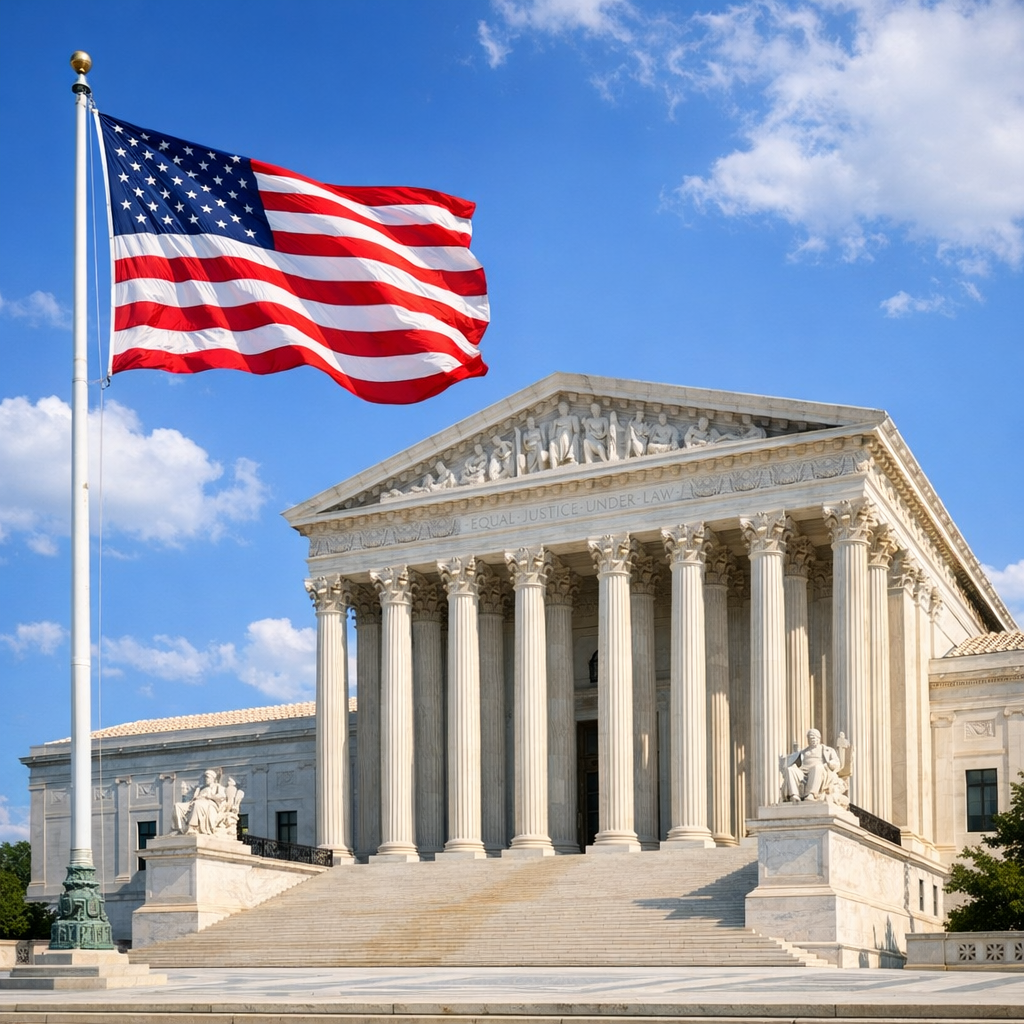
The U.S. Supreme Court recently upheld a major expansion in presidential power by affirming the president’s ability to remove the heads of independent federal agencies—with one notable exception: the Federal Reserve retains its protections. This ruling redraws boundaries in how independent agencies are controlled and has far-reaching implications for how power is balanced in Washington.
In another decision, the Court struck down a previous rule around mail-in voting issued in an executive order, reversing direction on a measure that had seen mixed support across states. Justices disagreed in their reasoning, but the outcome is a win for voting rights advocates and states challenging federal overreach.
What It Means for Tennesseans
All of this hits close to home. When inflation is high, families in Nashville and across Tennessee feel it—especially those with tight budgets. Rising rates can make mortgages, car loans, and credit cards more expensive. Meanwhile, judicial rulings around voting and executive power influence how we participate in democracy and how state and federal policies get set.
Keeping An Eye On…
- Wage growth: Is it catching up to inflation?
- Federal Reserve decisions coming up—future rate moves matter.
- New agency rule changes: Who’s in charge, and what’s the path forward?
- Potential voting policy changes post-court ruling.
Tennessee is firmly part of these national conversations—even if some of the legal and economic shifts start in Washington, their consequences radiate outward. Understanding what’s happening now helps us anticipate what may come next.