

By William Thompson
What’s happening with our summers?
Nashville is seeing a trend toward longer, hotter summers. July temperatures have been consistently rising over the past several decades, with more days reaching into the 90s, and some exceeding 100°F. This steep upward rise isn’t just a passing heat wave—it reflects shifts in our climate patterns. The city is grappling not only with increasing temperature highs, but also elevated nighttime and humidity levels that make the heat feel more intense.
Lingering summer warmth: delays in fall’s arrival
In many years, the crisp, cool air that signals fall is arriving later than folks around here remember. Freezing nights—those markers of seasonal change—are becoming less common. Heat stretches into what used to feel like early autumn. It’s more than just comfort—this shift affects agriculture, gardening, insect cycles, and energy usage as we rely on cooling systems longer.
More intense rain, rising risks
Precipitation patterns are also shifting. The city is seeing heavier rainstorms, which increase risks of flash flooding and strain drainage systems. These shifts place a burden on infrastructure and make flood-prone areas more vulnerable.
Hotspots around town: heat islands
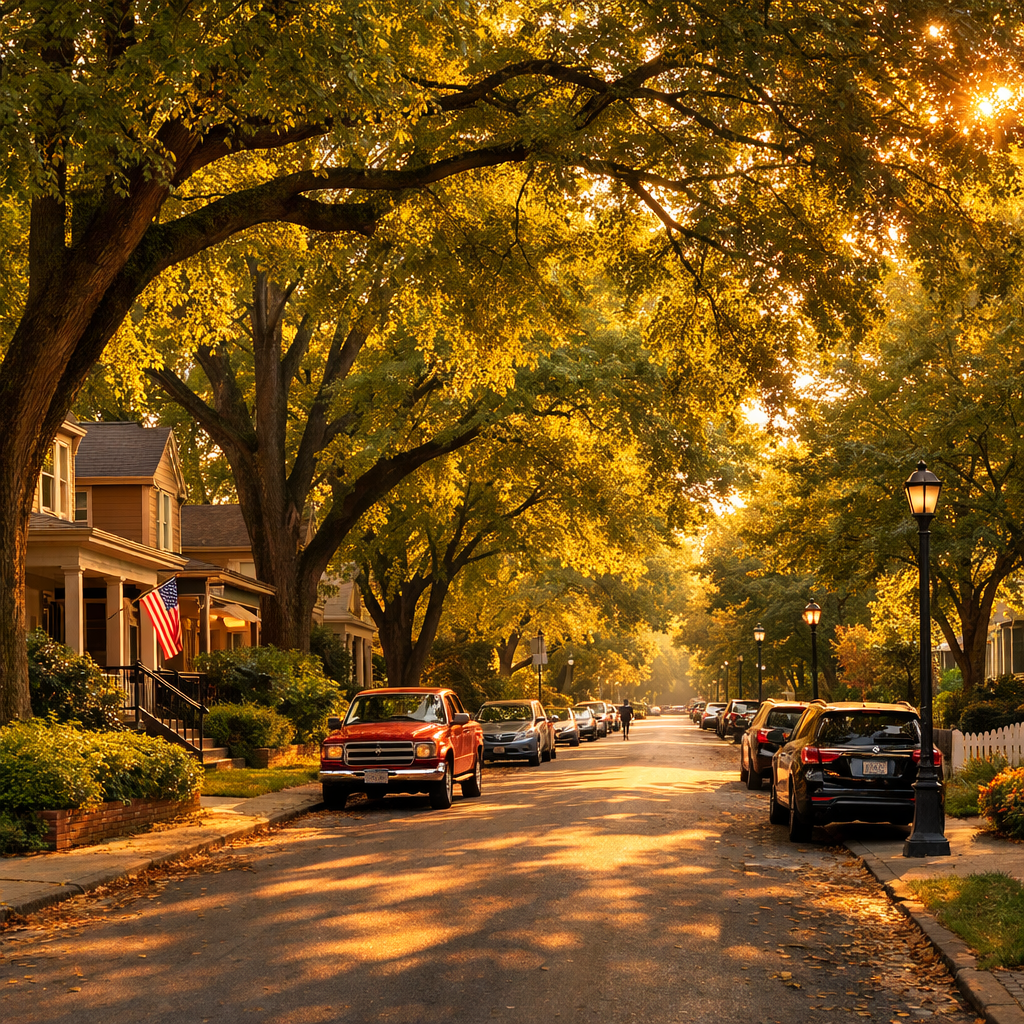
The urban heat island effect—where dense areas with concrete, asphalt, and limited vegetation become significantly hotter than surrounding areas—is increasingly noticeable. Heat mapping has helped identify neighborhoods most impacted. These are often areas with fewer trees, less green space, and greater exposure to heat. Community leaders and public health officials are working to prioritize mitigation efforts in those zones.
Climate resilience: Nashville’s path forward
Local government has been stepping up in response. The Metro Nashville Climate Adaptation and Resilience Plan lays out five major climate hazards the city needs to address: flooding, tornados, extreme heat, extreme cold and winter storms, and severe thunderstorms. It examines vulnerabilities, especially for populations most at risk, and outlines strategies for future-focused infrastructure, emergency planning, and environmental safeguarding.
What residents can do now
- Increase shade in your neighborhood: planting trees or using native vegetation helps cool environments.
- Stay alert during heat warnings: hydration, avoiding strenuous activity during peak heat, and using cooling centers are key.
- Support policies that protect natural areas, ensure green corridors, and improve stormwater management.
- Maintain awareness of flood risk zones—during intense rain events in particular, even familiar routes or low-lying areas can change rapidly.
- Adapt energy usage: efficient AC use, better insulation, and shifting usage to cooler parts of the day can help both comfort and costs.
Change isn’t optional—it’s already underway in Nashville. But how we respond, as a community and through policy, can determine how livable our homes, streets, and city remain in the face of this evolving climate.