

Hi friends—William Thompson here with fresh perspective on how Nashville’s weather and environment have been evolving, what we can expect, and why it matters for daily life.
Rising Temperatures & Intensified Storms
Tennessee has seen measurable warming in recent decades. The average temperature has crept up by about 0.5°F over the last century. This rise, while modest compared to some parts of the country, fits into a broader pattern of more extreme heat, heavier downpours, and fewer very cold days. For instance, years with frost-free winters are increasingly common, and intense rainfall events are becoming more frequent. These shifts affect everything from energy demand to flood risk in the Cumberland and Tennessee river corridors.
Archive of Smells & Sniffs: Allergy and Pollen Cycles
If your spring sniffling seems longer or your eyes itch later into fall, you’re not alone. Typical pollen windows in Nashville run: tree pollen from mid-January through May; grass from April through September; and ragweed from early August until the first hard frost, which often comes around November 3. These timelines shift slightly year to year based on weather, but they offer a stable frame to anticipate allergy season and lifestyle adjustments.
A Snapshot of Foliage: When Leaves Turn and Fall
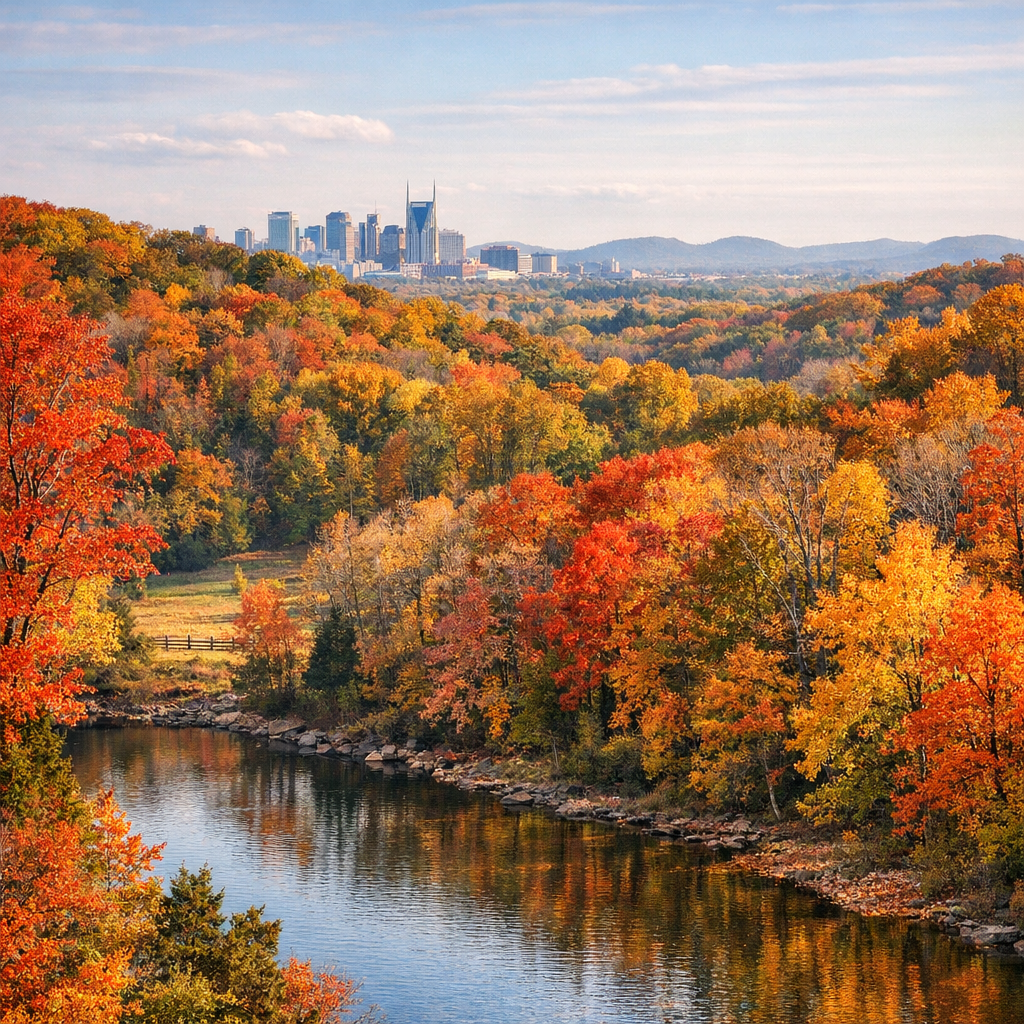
Autumn color in our woods and parks tends to build by late October, with peak foliage usually appearing between November 1–5, and many trees already shedding leaves heavily through November. Warmer falls or early freezes can alter that rhythm—either stretching the window or cutting the display short.
Light, Urban Growth & Dark Skies
Nashville has adopted a Dark Sky Ordinance to address light pollution. The goal is to reduce glare, direct lighting only where needed, and protect both human well-being and the natural behaviors of wildlife. Measures include setting maximum color temperatures, controlling light direction and intensity, and adopting smarter lighting designs for streets and parking structures.
What It Means for You Locally
- Gardening and Planting: With last frost dates averaging around April 10 in many parts of town, it’s safer to transplant outdoors after that point. Late spring frosts are less common but still possible in certain years.
- Health and Comfort: Longer warm periods and higher humidity levels combined with changing pollen seasons mean you may feel allergy or heat symptoms differently than in past years.
- Outdoor Planning: Parks like Percy Warner and Radnor Lake offer great glimpses of autumn color—visitors hoping for peak displays may plan for early November.
- Energy and Environment: Lighting changes tied to the Dark Sky rules help reduce energy waste and limit disruption to ecosystems—plus they make for more visible night skies.
These patterns aren’t static. They evolve with climate, land use, and policy. Watching how weather behaves—when the first frost falls, when leaves change, when storms roll in—offers windows into larger changes at work. I’ll keep tracking it all—and sharing what it means.