

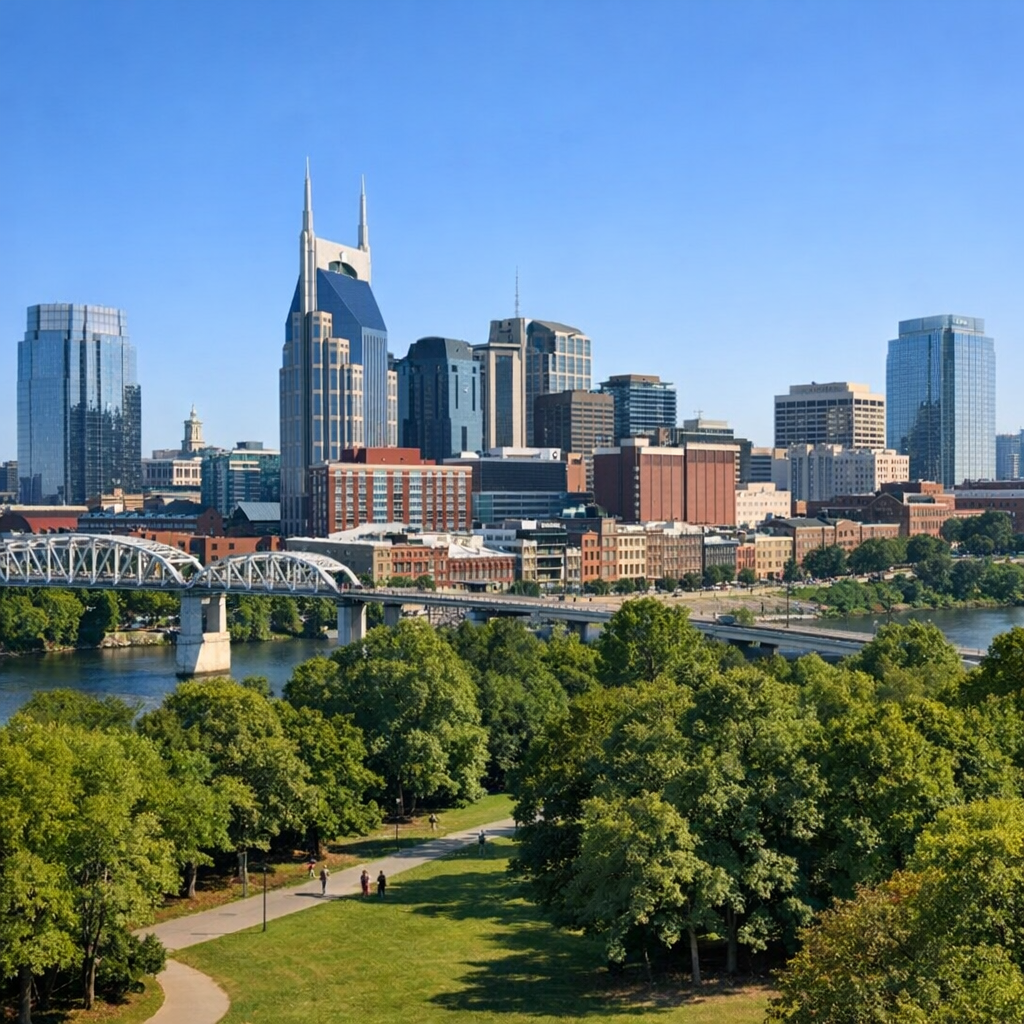
Nashville, Tennessee, experiences a humid subtropical climate characterized by hot, humid summers and mild to cool winters. Understanding these seasonal patterns is essential for residents and visitors alike.
Seasonal Weather Patterns
Summer
Summers in Nashville are typically hot and muggy, with average high temperatures around 89°F (32°C) in July. The season spans from late May to mid-September, featuring daily high temperatures above 81°F (27°C). Humidity levels are high, contributing to the muggy conditions.
Winter
Winters are generally cold and wet, with average low temperatures around 31°F (-1°C) in January. The cold season lasts from late November to late February, with daily high temperatures below 56°F (13°C). Snowfall is relatively rare but can occur, averaging about 1.7 inches in January.
Spring and Fall
Spring and fall offer mild and pleasant weather, making them ideal times for outdoor activities. Spring temperatures gradually rise from the coolness of winter, while fall brings a gradual cooling from the summer heat.
Environmental Challenges
Nashville faces several environmental challenges exacerbated by climate change:
Extreme Heat
The city has experienced an increase in extreme heat events. Between 1970 and 2024, the intensity of rainfall per hour in Nashville increased by 12%, leading to more frequent and intense storms. This trend is associated with the capacity of warmer air to hold more moisture, resulting in heavier precipitation events.
Urban Heat Islands
Approximately 71% of Nashville residents live in neighborhoods considered urban heat islands—areas with higher temperatures due to infrastructure like buildings and roads and fewer green spaces. This phenomenon disproportionately affects historically lower-income areas, where residents may lack access to air conditioning.
Flooding
Increased precipitation intensity has heightened the risk of flash flooding. The May 2010 flood, which resulted in significant damage and loss of life, remains a stark reminder of the city’s vulnerability to such events.
Community Initiatives
To address these challenges, Nashville has undertaken several initiatives:
- Climate Adaptation and Resilience Plan (CARP): Developed by the Mayor’s Office, this plan focuses on preparing the city for climate-driven disruptions, including extreme heat, flooding, and severe storms.
- Heat Mapping Campaign: In summer 2022, a city-wide heat mapping effort identified the warmest and coolest neighborhoods, informing heat mitigation strategies.
- Urban Greening Projects: Efforts to increase the city’s tree canopy aim to reduce the urban heat island effect and improve air quality.
Understanding Nashville’s climate and the associated environmental challenges is crucial for fostering a resilient and sustainable community.