

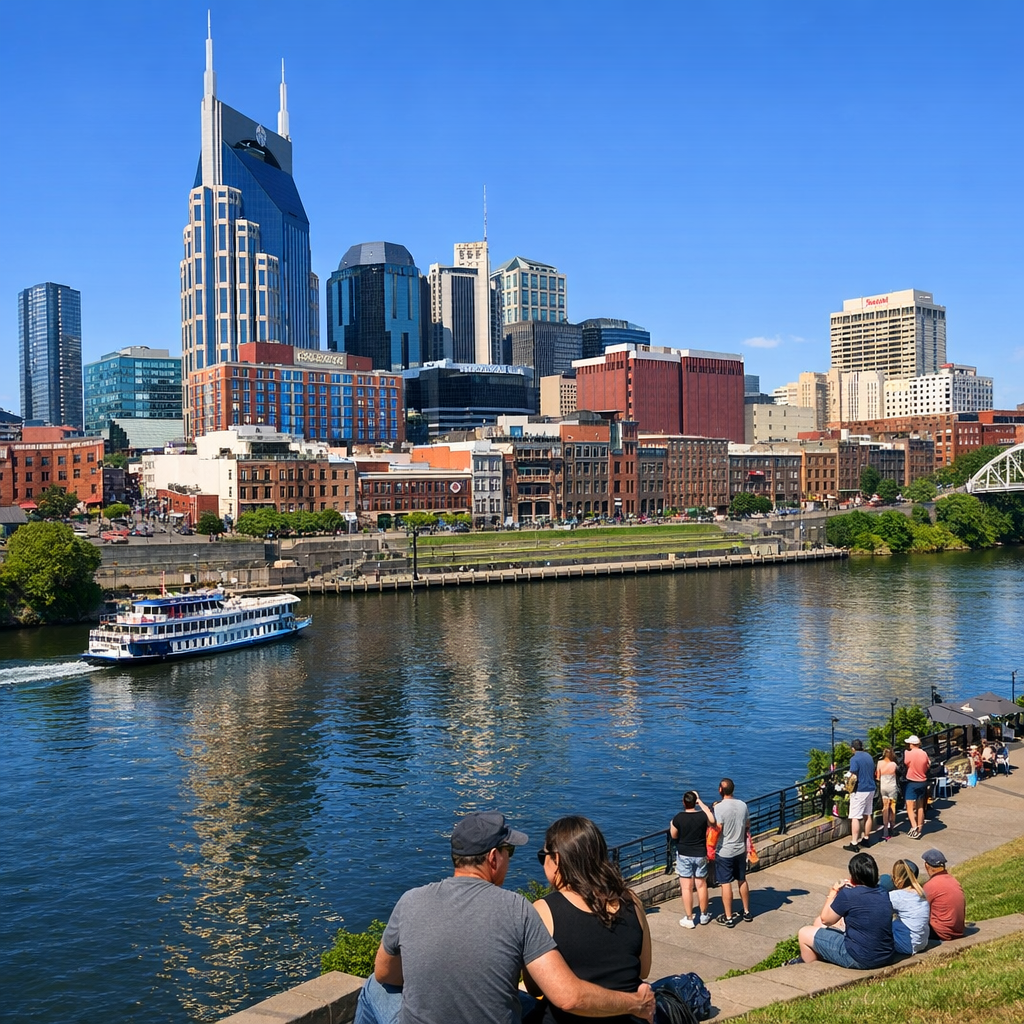
Nashville, Tennessee, experiences a humid subtropical climate characterized by hot, humid summers and mild to cool winters. Understanding these patterns is essential for residents and visitors alike.
Seasonal Weather Patterns
Summer
Summers in Nashville are notably hot and humid, with average high temperatures peaking around 89°F (31.3°C) in July. The season typically spans from late May to mid-September, with temperatures often exceeding 90°F (32°C). Humidity levels can make the heat feel more intense, leading to discomfort and health risks, especially for vulnerable populations.
Winter
Winters are generally mild, with average low temperatures around 30.6°F (-0.8°C) in January. While snowfall is infrequent, the city occasionally experiences winter storms that can disrupt daily life. For instance, a significant ice storm in early 2026 led to widespread power outages and prompted discussions about improving the city’s emergency response strategies.
Environmental Challenges
Urban Heat Islands
A significant environmental concern for Nashville is the prevalence of urban heat islands—areas where infrastructure like buildings and roads absorb and retain heat, leading to higher temperatures compared to surrounding rural areas. Approximately 71% of Nashville residents live in neighborhoods affected by this phenomenon. Efforts to mitigate these effects include increasing green spaces and implementing reflective pavement coatings.
Climate Change Impacts
Climate change poses additional challenges for Nashville. The city has experienced a temperature increase of approximately 3.4°F over recent decades, leading to more frequent and intense heatwaves. Additionally, changes in precipitation patterns have resulted in increased risks of severe storms and flooding. In response, Nashville has developed a Climate Adaptation and Resilience Plan to address these issues and enhance the city’s preparedness for future climate-related events.
Understanding Nashville’s climate and the associated environmental challenges is crucial for fostering a resilient and informed community. By staying aware of seasonal patterns and supporting local initiatives aimed at mitigating climate impacts, residents can contribute to a more sustainable future for Music City.