

Nashville, Tennessee, experiences a humid subtropical climate characterized by hot, humid summers and mild to cool winters. Understanding the city’s weather patterns and environmental challenges is essential for residents and visitors alike.
Seasonal Weather Patterns
Summer
Summers in Nashville are notably hot and humid, with average high temperatures around 89°F (32°C) in July. The season spans from late May to mid-September, often bringing muggy conditions that can make outdoor activities challenging.
Winter
Winters are generally mild, with average low temperatures around 31°F (-0.5°C) in January. While snowfall is infrequent, the city occasionally experiences light snow, primarily between December and February.
Spring and Fall
Spring and fall offer the most pleasant weather conditions. Springtime, particularly in May, features average high temperatures around 78°F (26°C), while October in the fall sees highs near 70°F (21°C). These seasons are ideal for outdoor activities and festivals.
Environmental Challenges
Urban Heat Islands
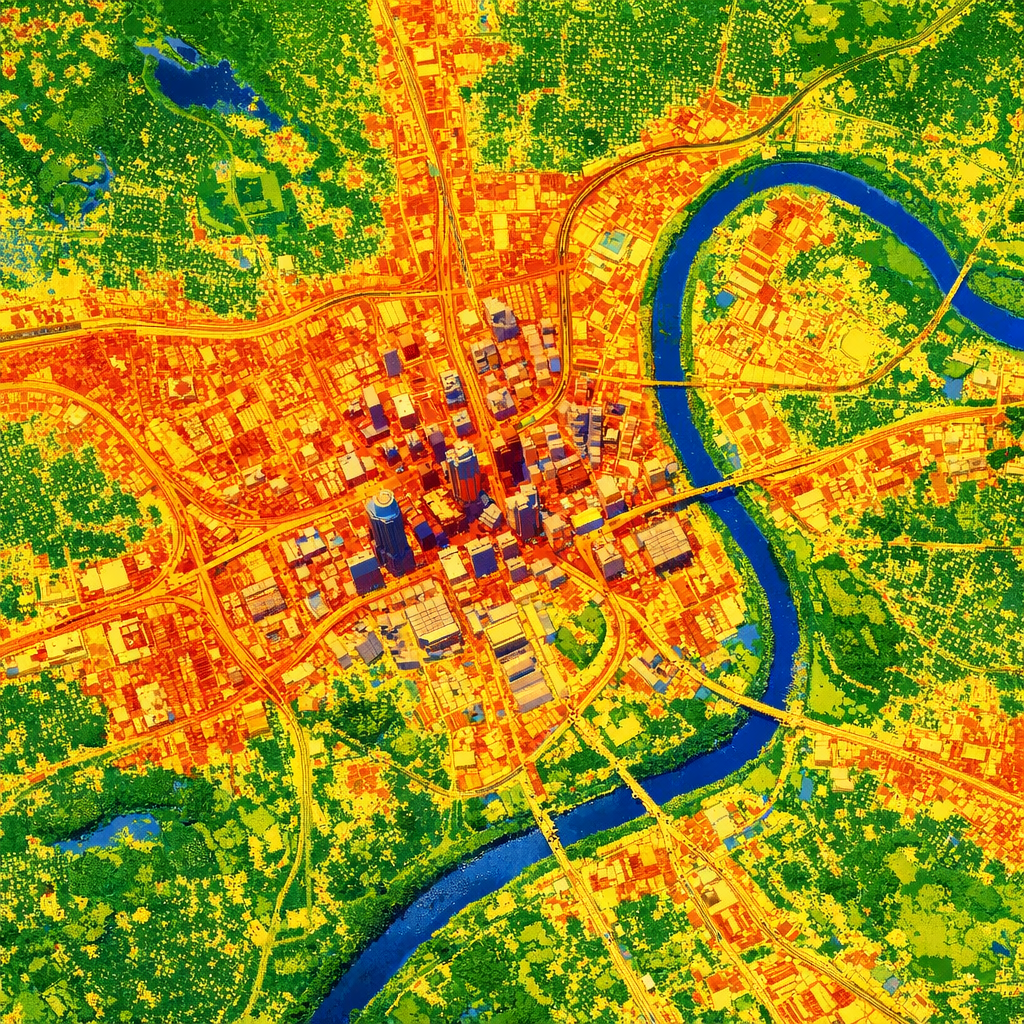
A significant environmental concern in Nashville is the prevalence of urban heat islands—areas where infrastructure like buildings and roads absorb and retain heat, leading to higher temperatures compared to surrounding rural areas. Approximately 71% of Nashville residents live in neighborhoods affected by this phenomenon, which can exacerbate health risks during heatwaves.
Climate Change Impacts
Climate change is intensifying weather patterns in Nashville. The city has experienced a 12% increase in hourly rainfall intensity between 1970 and 2024, raising the risk of flash floods and other related hazards. Additionally, extreme heat events are becoming more frequent and severe, posing challenges to public health and infrastructure.
Community Initiatives
In response to these challenges, Nashville has developed a Climate Adaptation and Resilience Plan aimed at preparing the city for climate-related disruptions. Efforts include heat mapping campaigns to identify the hottest areas and implementing strategies to mitigate heat impacts, such as increasing urban greenery and reflective surfaces.
Understanding Nashville’s climate and the associated environmental challenges is crucial for fostering a resilient and sustainable community. By staying informed and engaged, residents can contribute to ongoing efforts to adapt to and mitigate the impacts of a changing climate.