

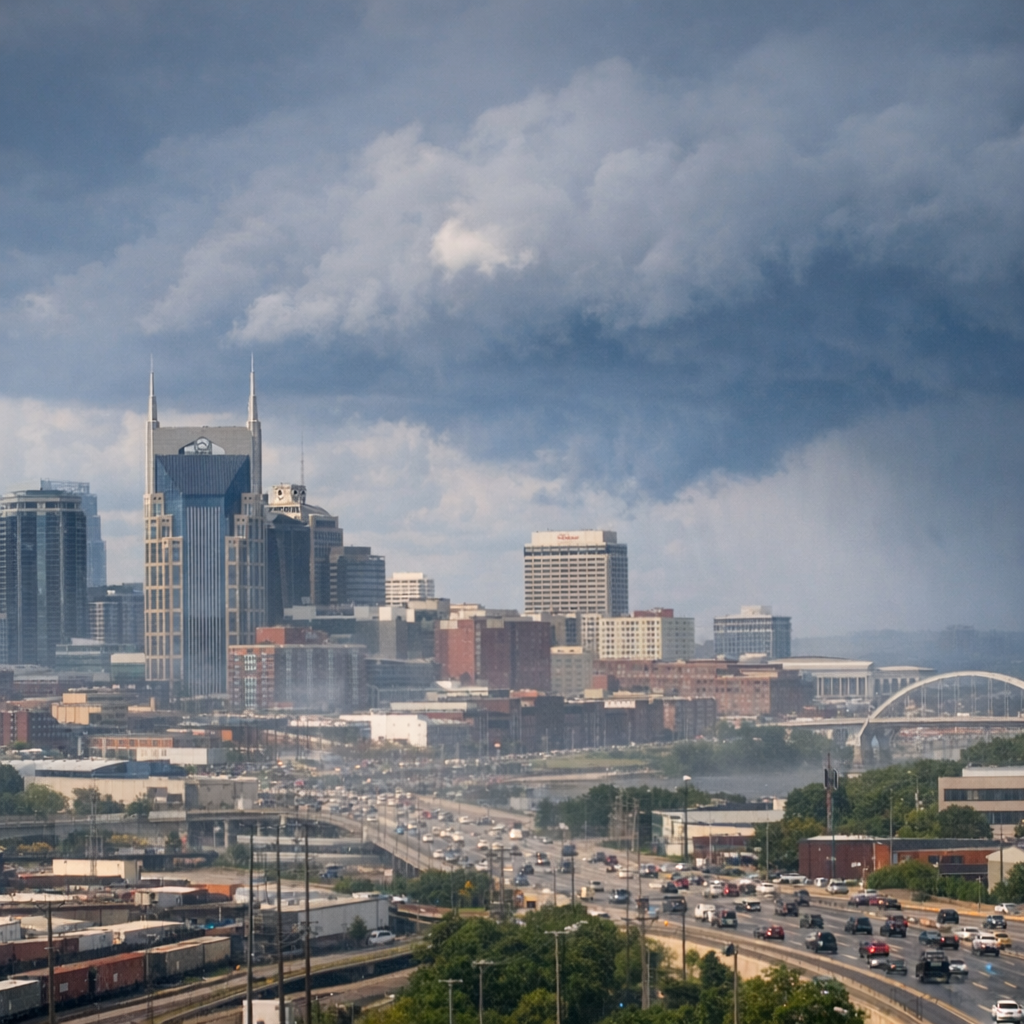
Nashville, Tennessee, experiences a humid subtropical climate characterized by hot, humid summers and mild to cool winters. Understanding the city’s weather patterns and environmental challenges is essential for residents and visitors alike.
Seasonal Weather Patterns
Summer
Summers in Nashville are typically hot and muggy, with average high temperatures around 89°F (31.7°C) in July. The season often brings increased humidity and occasional thunderstorms.
Winter
Winters are generally mild, with average low temperatures around 30°F (-1°C) in January. Snowfall is infrequent but possible, and ice storms can occur, leading to hazardous conditions.
Spring and Fall
Spring and fall offer moderate temperatures and are considered the most pleasant times of the year. These seasons are marked by blooming flora in spring and vibrant foliage in fall.
Environmental Challenges
Urban Heat Islands
Urban heat islands (UHIs) are areas within cities that experience higher temperatures than surrounding rural areas due to human activities and infrastructure. In Nashville, approximately 71% of residents live in neighborhoods considered heat islands. This phenomenon is exacerbated by factors such as reduced tree canopy and increased development.
Increased Precipitation
Climate change has led to more intense rainfall events in Nashville. Between 1970 and 2024, the intensity of hourly rainfall in the city increased by 12%. This trend contributes to a higher risk of flash flooding and poses challenges for stormwater management.
Community Initiatives
To address these environmental challenges, Nashville has undertaken several initiatives:
- Heat Mapping Campaign: In summer 2022, local experts and volunteers conducted a heat mapping campaign to identify the warmest and coolest neighborhoods in the city. The data collected is being used to inform heat mitigation efforts.
- Climate Adaptation and Resilience Plan (CARP): Released in September 2024, CARP outlines strategies to enhance the city’s resilience to climate change, focusing on hazards such as flooding, extreme heat, and severe storms.
Understanding Nashville’s climate and the associated environmental challenges is crucial for fostering a resilient and sustainable community. By staying informed and participating in local initiatives, residents can contribute to the city’s efforts to adapt to a changing climate.